LDL Reduction Strategy Simulator
Simulation Parameters
Compare the theoretical LDL reduction of a high-dose statin versus a moderate-dose statin combined with a non-statin agent.
Projected Outcomes
*Disclaimer: This tool is for educational purposes based on the "Rule of Six" and multiplicative lipidology formulas. It does not constitute medical advice. Always consult your healthcare provider before changing medications.
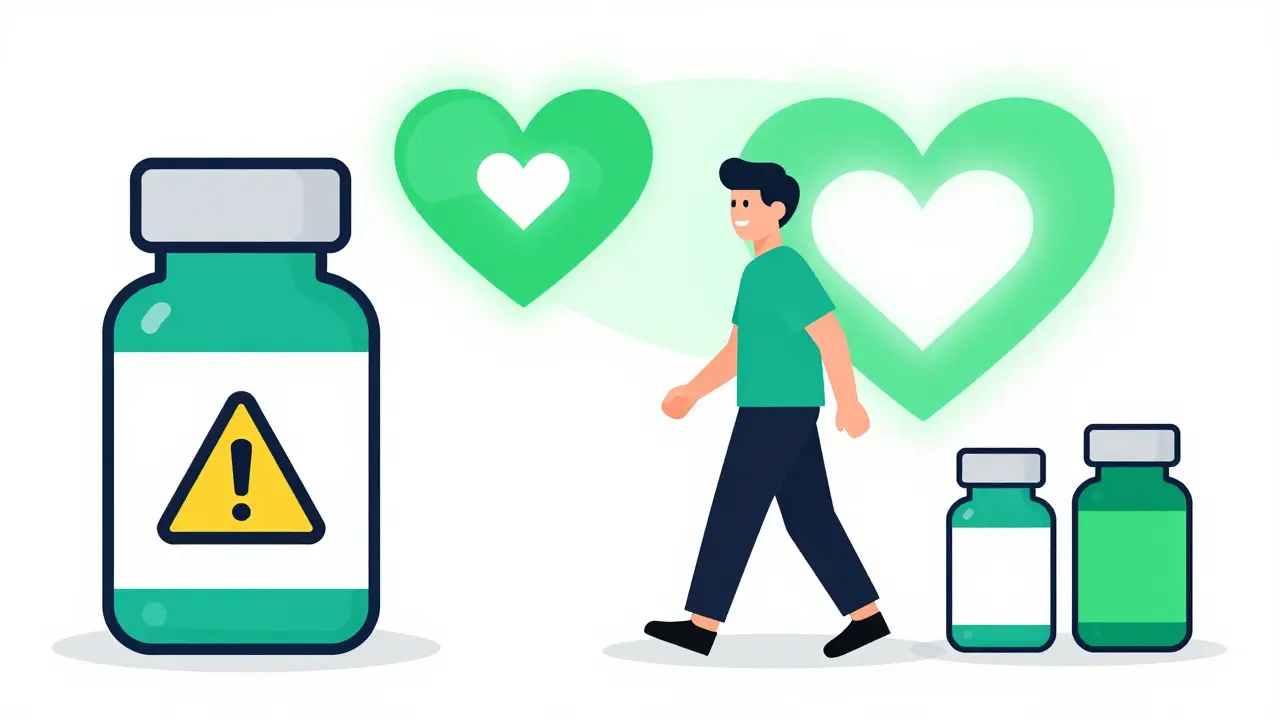
For years, the standard playbook for high cholesterol was simple: if your LDL numbers weren't dropping, you cranked up the dose of your statin. But there is a frustrating reality to this approach. Doubling your dose doesn't double your results. In fact, many people hit a wall where higher doses only bring a tiny bit of extra benefit while significantly increasing the risk of muscle pain and fatigue. This is where Combination Cholesterol Therapy is a strategic medical approach that pairs a moderate-dose statin with a non-statin medication to lower LDL cholesterol more effectively than a high-dose statin alone. By shifting the focus from dose escalation to medication synergy, patients can hit aggressive targets without the grueling side effects of maximum-strength statins.
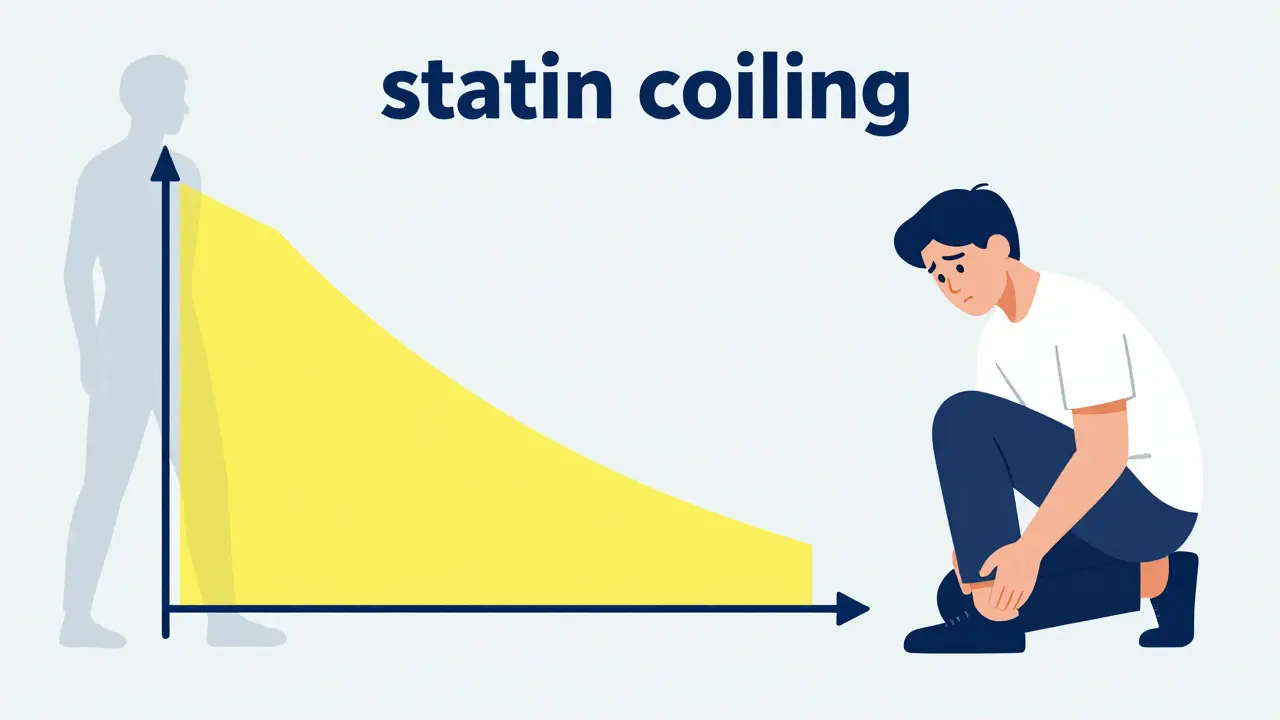
The 'Rule of Six' and the Statin Ceiling
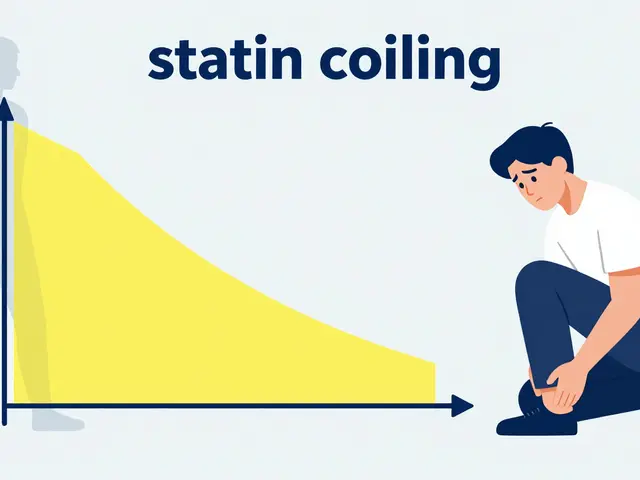
To understand why we should stop simply increasing statin doses, we have to look at the "rule of six." Research published in the Journal of the American College of Cardiology (JACC 2023) highlights a steep decline in efficacy as doses rise. Essentially, every time you double the dose of a statin, you only get about an additional 6% reduction in LDL-C.
Think of it like this: if you move from 10mg of Atorvastatin to 20mg, your LDL might drop from 39% to 45%. That is a marginal gain for a 100% increase in medication. For many, this trade-off isn't worth it. The side effects, particularly muscle-related issues, don't scale linearly-they often spike. While only 5-8% of people on moderate doses experience muscle pain, that number can jump to 10-15% on high doses. This leads to a massive problem in clinical practice: nearly 50% of patients stop taking their statins within a year because the side effects become unbearable.
How Combination Therapy Actually Works
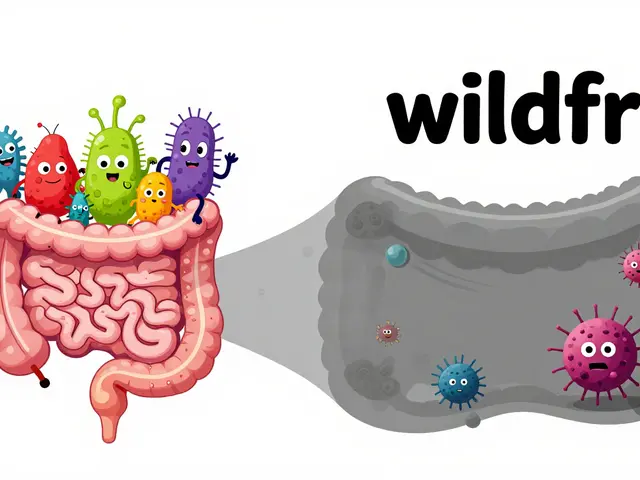
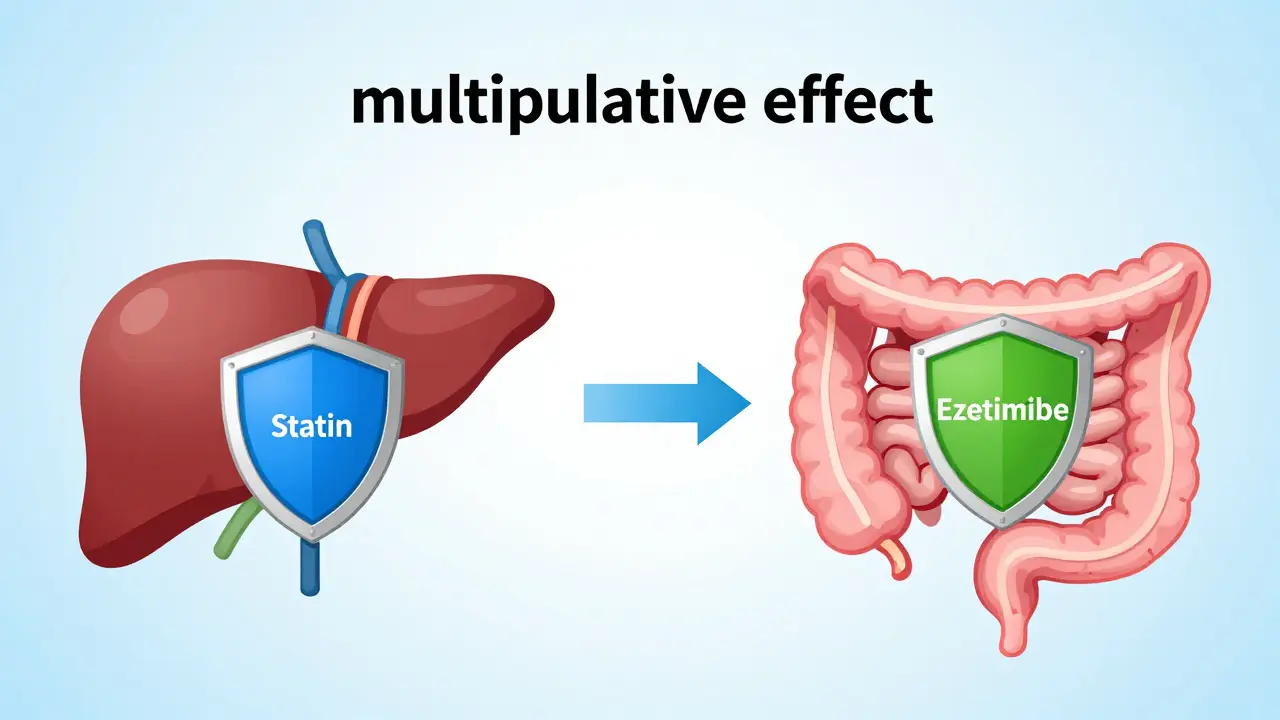
The secret to better results with lower doses lies in using different biological pathways. Statins work primarily by blocking the liver's production of cholesterol. However, if you add a second agent that works differently, you get a multiplicative effect rather than a simple addition.
Take Ezetimibe, for example. Unlike statins, Ezetimibe is a medication that lowers cholesterol by preventing the absorption of cholesterol from the small intestine. When you combine a moderate-dose statin with Ezetimibe, you aren't just adding their percentages together. You are attacking the cholesterol problem from two different directions: production and absorption.
According to the multiplicative formula used in lipidology, if a moderate statin reduces LDL by 40% and Ezetimibe reduces it by 20%, the total reduction isn't 60%-it is 52% (40% plus 20% of the remaining 60%). While that sounds lower, in practice, this combination often outperforms a high-intensity statin monotherapy and does so with far fewer muscle aches.
| Strategy | Typical LDL-C Reduction | Muscle Side Effect Risk | Target Achievement Rate |
|---|---|---|---|
| High-Intensity Statin Alone | ~50% | Higher (10-15%) | 62.3% |
| Moderate Statin + Ezetimibe | 50-55% | Lower (5-8%) | 78.5% |
| Statin + PCSK9 Inhibitor | 60% | Very Low | High |
| Triple Therapy (Statin+Ez+PCSK9) | ~84% | Low | Very High |
Breaking Through Statin Intolerance
Statin intolerance affects between 7% and 29% of users. For these people, a high-dose statin is a non-starter. The goal here is to find the "minimum effective dose" of a statin and supplement the rest with a non-statin agent. This approach dramatically improves patient adherence; data shows that 85% of statin-intolerant patients stay on a combination regimen for a year, compared to only 50% who keep trying different statin monotherapies.
For those who absolutely cannot tolerate any statin, Bempedoic Acid has emerged as a powerful tool. Bempedoic acid is a non-statin medication that inhibits cholesterol synthesis in the liver but does not activate in skeletal muscle. This means it avoids the muscle pain entirely. The CLEAR Harmony trial demonstrated that combining a moderate statin with Bempedoic acid can match the LDL reduction of a high-dose statin while reducing muscle-related adverse events by 25%.
Who Should Consider This Approach?
Not everyone needs a combination of drugs. For a low-risk person with slightly elevated cholesterol, a single moderate statin is usually plenty. However, combination therapy is becoming the first-line choice for specific high-risk groups:
- Very High-Risk ASCVD: People who have already had a heart attack or stroke and need their LDL-C below 55 mg/dL.
- Familial Hypercholesterolemia: Those with genetic conditions that make their cholesterol stubbornly high regardless of diet or single-drug therapy.
- Statin-Intolerant Patients: Anyone who experiences myalgias (muscle pain) when doses are scaled up.
- Diabetes Patients: High-risk diabetic patients who need aggressive lipid control to prevent vascular complications.
Modern guidelines are shifting. The European Atherosclerosis Society now suggests that for very high-risk patients, starting with a moderate statin and Ezetimibe is often better than starting with a high-intensity statin. It gets the patient to their target faster-sometimes 4 months faster-and keeps them on the medication longer because they feel better.
Navigating the Practical Hurdles
If the evidence is so clear, why isn't everyone doing this? The biggest obstacle is "therapeutic inertia." Many doctors are used to the old "increase the dose" method and are hesitant to add a second drug until the first one "fails" completely. There are also insurance barriers. While generic Ezetimibe is affordable, newer agents like PCSK9 Inhibitors can be prohibitively expensive, often requiring complex prior authorizations that delay treatment by two weeks or more.
However, the cost of adding a generic agent is usually offset by the reduction in hospitalizations. Every 1 mmol/L (39 mg/dL) reduction in LDL-C leads to a 22% reduction in major vascular events. When you look at it through that lens, the small annual cost of a second medication is a bargain compared to the cost of a second heart attack.
Will taking two medications increase my side effects?
Actually, it often does the opposite. By using a lower dose of a statin and adding a non-statin agent like Ezetimibe, you reduce the dose-dependent side effects (like muscle pain) associated with high-dose statins while achieving a better overall drop in cholesterol.
How long does it take to see results with combination therapy?
Combination therapy typically reaches target LDL-C levels faster than monotherapy. Some studies suggest that high-risk patients reach their goals about 4.2 months sooner when starting with a combination of statin and Ezetimibe compared to statin alone.
Is Ezetimibe as strong as a high-dose statin?
On its own, Ezetimibe is less potent than a high-dose statin. However, when paired with a moderate statin, the combination often achieves a 50-55% LDL reduction, which is comparable to or better than what a high-dose statin achieves alone, but with a better safety profile.
What is the best combination for someone with severe muscle pain?
For patients with severe intolerance, a combination of a very low-dose statin (or no statin) and Bempedoic Acid is often recommended, as Bempedoic Acid does not activate in the muscles and therefore doesn't cause the typical statin-related aches.
Do I need to change my diet if I start combination therapy?
Yes. Medication is a tool to manage levels, but it works best alongside a heart-healthy diet. Reducing saturated fats and increasing fiber helps these drugs work more effectively, regardless of whether you are on one medication or three.
Next Steps for Patients and Caregivers
If you are currently taking a high-dose statin and struggling with muscle pain, or if your LDL numbers aren't budging despite the high dose, don't just settle for "that's how it is." Start a conversation with your doctor about the multiplicative effect of combination therapy. Ask specifically if adding a low-dose non-statin agent could allow you to lower your statin dose while still hitting your target.
For those managing a family member's care, keep a log of any muscle soreness or weakness. This objective data helps doctors determine if a patient is truly statin-intolerant or if the dose is simply too high. Moving toward a "moderate-dose plus add-on" strategy is often the key to long-term success and better quality of life.