
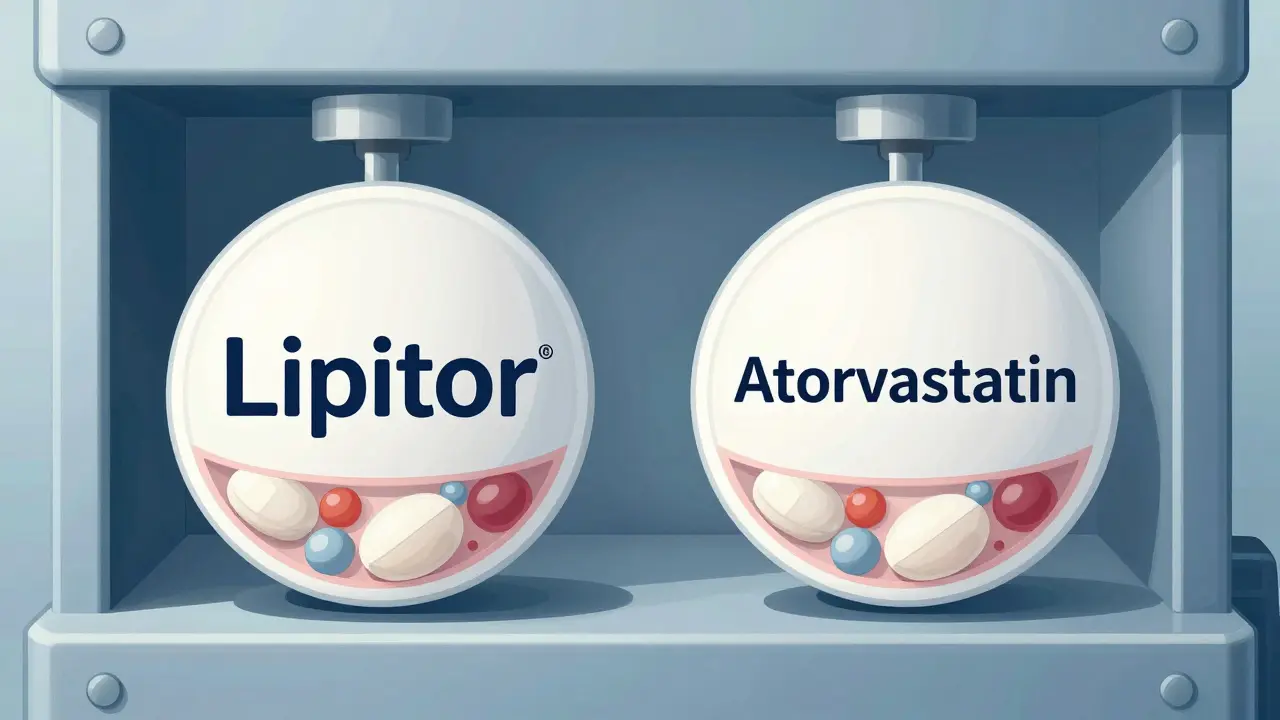
When you pick up a prescription, you might see two pills that look almost identical - one with a brand name like Lipitor, another with no name at all, just the drug: atorvastatin. One costs $15. The other costs $4. You might wonder: is the cheaper one really the same? The answer isn’t always obvious, especially when you hear terms like authorized generics.
What Exactly Is an Authorized Generic?
An authorized generic is the exact same drug as the brand-name version - same active ingredient, same inactive ingredients, same size, same color, same manufacturing process. The only difference? No brand name on the label. It’s made by the original drug company, often on the same生产线, and sold under a different label to compete with other generics. The U.S. Food and Drug Administration (FDA) defines it clearly: an authorized generic is a brand-name drug marketed without the brand name. That’s it. No shortcuts. No reformulations. No different fillers. If the brand pill has lactose, corn starch, and FD&C Blue No. 1, so does the authorized generic. The same batch, same machine, same quality checks. This isn’t a loophole. It’s a legal pathway created by the Hatch-Waxman Act of 1984. That law let generic companies enter the market, but also let brand companies protect their profits by launching their own generic version - sometimes even before other generics are approved. It sounds strange, but it’s real. And it’s common.How Is It Different From a Regular Generic?
Regular generics - the ones you see in bulk bins at pharmacies - go through a different approval process. They’re approved under an Abbreviated New Drug Application (ANDA). To get approval, they must prove they’re bioequivalent to the brand drug - meaning they get into your bloodstream at about the same rate and amount. But they’re allowed to have different inactive ingredients. That’s why a generic version of a pill might be white and round, while the brand is blue and oval. Authorized generics skip that step. They don’t need to prove bioequivalence because they’re not a different product. They’re the same product with a different label. That’s why they’re not listed in the FDA’s Orange Book, which only tracks ANDA-approved generics. You won’t find them there. But that doesn’t mean they’re less regulated. They’re held to the same strict manufacturing standards as the brand. Think of it this way: a regular generic is like a copy of a painting made by a different artist using similar brushes and paint. An authorized generic is the original artist’s own print, sold without the signature.Are They Really Therapeutically Equivalent?
Yes. Absolutely. The FDA says so. The American Society of Health-System Pharmacists says so. The American Managed Care Pharmacy says so. And so do dozens of peer-reviewed studies. A 2018 study in PMC tracked over 5,000 patients who switched from brand-name drugs to generics. Some switched to regular generics. Others switched to authorized generics. The results? No meaningful difference in hospital visits, emergency room trips, or whether people stopped taking their meds. The slight uptick in ER visits for authorized generics (0.25 per patient-year vs. 0.22) was so small it could’ve been random noise. No doctor would call that clinically significant. Even for drugs with a narrow therapeutic index - where tiny changes can matter, like warfarin or levothyroxine - the FDA requires the same quality controls for authorized generics as for the brand. If a batch of brand-name drug has a 1% variation in potency, so does the authorized version. No exceptions. Some patients worry about inactive ingredients. Maybe they’re allergic to a dye or sensitive to gluten. That’s valid. But here’s the thing: if you’ve been taking the brand drug for years and your body tolerates it, the authorized generic will behave the same way. Because it’s identical.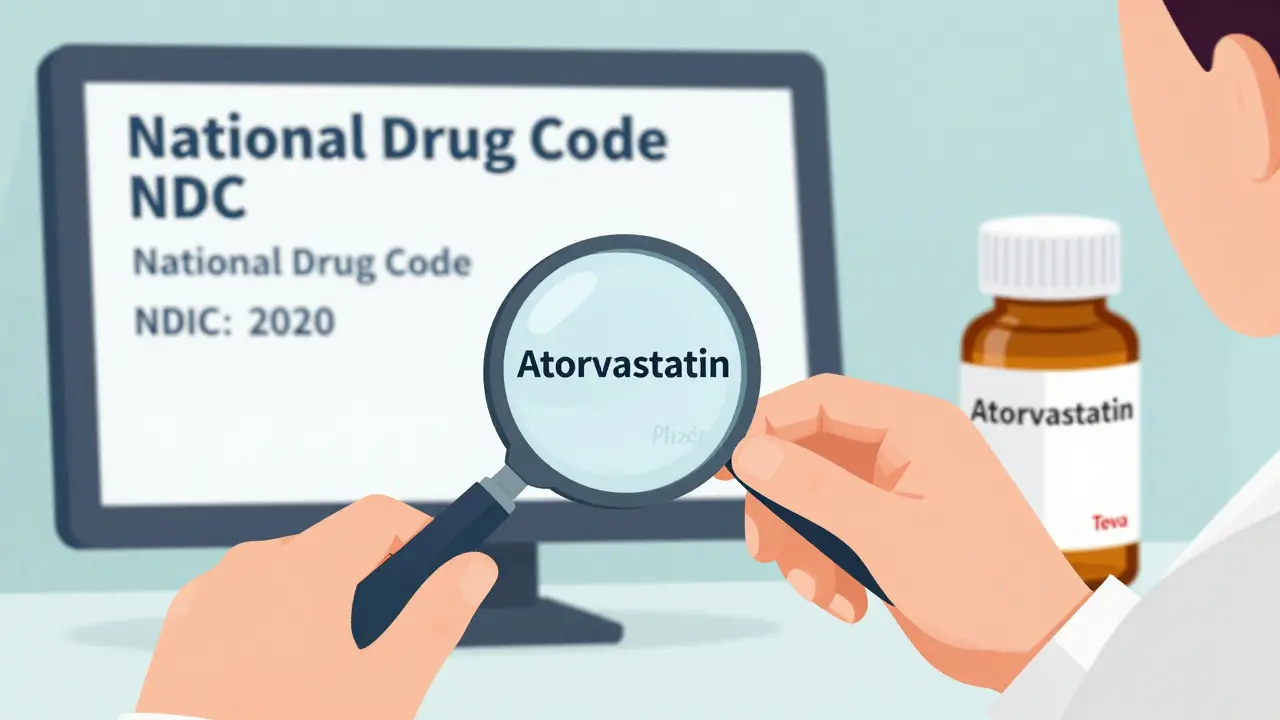
Why Do Authorized Generics Cost More Than Regular Generics?
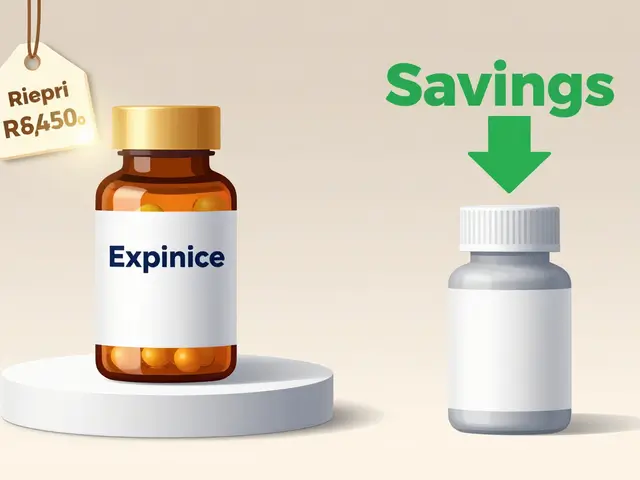
Good question. If they’re the same drug, why isn’t the price the same? Because they’re not competing with the same market. Regular generics are made by third-party manufacturers who compete fiercely on price. One company makes atorvastatin for $3. Another makes it for $2.50. The pharmacy picks the cheapest one. Authorized generics? They’re sold by the brand company. They’re not trying to undercut the market - they’re trying to keep you from switching to a competitor’s generic. So they price them just below the brand. Maybe $8 instead of $15. That’s still a big savings, but not as big as the $3 generic. That’s why some patients get confused. They see two generic options: one labeled “atorvastatin” for $3, another labeled “atorvastatin” (same manufacturer, same pill) for $8. They assume the $8 one is better. It’s not. It’s just the same pill with a different sticker.What Do Pharmacists Need to Know?
Pharmacists face a real challenge: authorized generics don’t show up in the Orange Book. So if a patient asks, “Is this generic the same as Lipitor?” the pharmacist can’t just pull up a reference guide. They have to know the manufacturer. If the pill says “Pfizer” on the bottle, and it’s atorvastatin, it’s likely an authorized generic. If it says “Teva” or “Mylan,” it’s a regular generic. But the label doesn’t always say that. Sometimes the bottle just says “Atorvastatin Calcium Tablets 20 mg.” That’s why communication matters. A good pharmacist will check the National Drug Code (NDC) - a unique number for every drug product. The NDC for the authorized generic is different from the brand and from the regular generic. If you’re unsure, ask your pharmacist to confirm what you’re getting. Also, insurance sometimes treats authorized generics differently. Some plans cover them at the brand tier. Others treat them like regular generics. Always check your formulary.Who Benefits Most From Authorized Generics?
Not everyone needs them. But for some, they’re a game-changer. Patients with chronic conditions - high blood pressure, thyroid disease, epilepsy - often prefer consistency. They’ve been on the same pill for years. Their body knows it. They don’t want to risk switching to a different formulation, even if it’s “equivalent.” For them, an authorized generic is the safest bridge to savings. Women on birth control pills are another group. Even small changes in inactive ingredients can affect absorption. Many doctors and patients prefer authorized generics for contraceptives because they’re identical to the brand. Older adults on multiple medications are also more likely to stick with a pill they recognize. If the shape, color, and taste haven’t changed, they’re less likely to miss doses.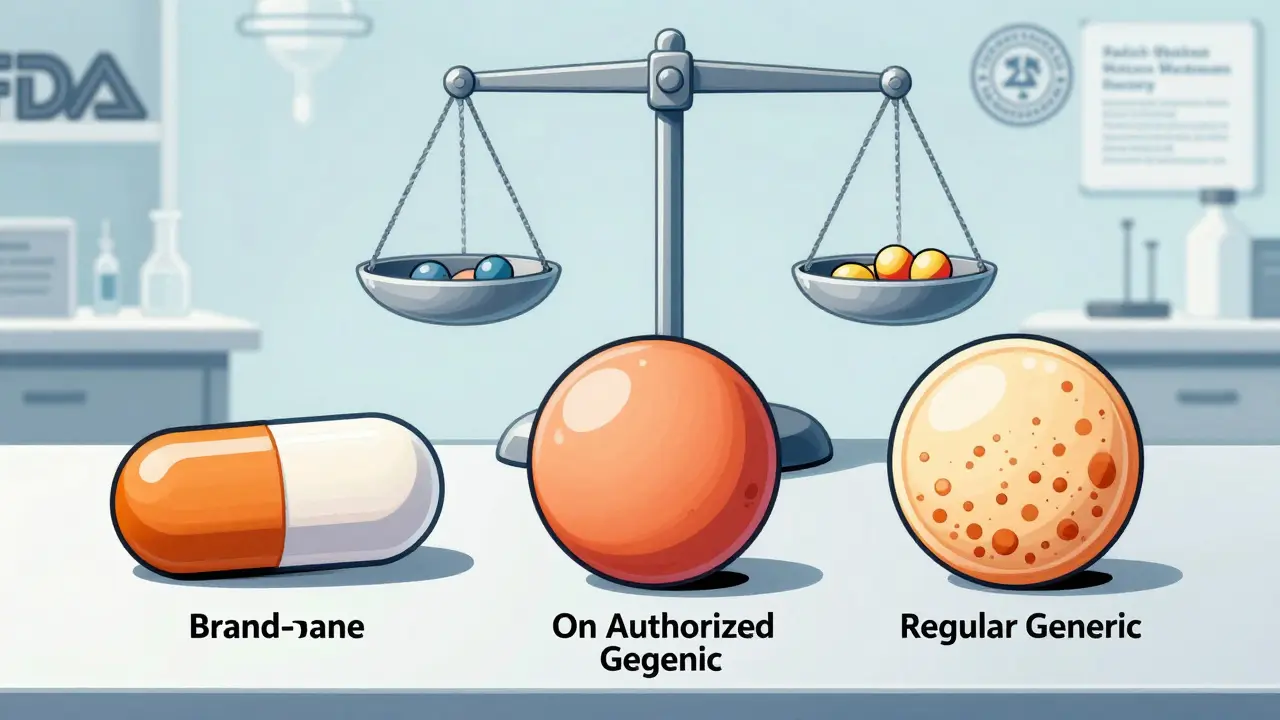
Is There Any Downside?
There’s one big concern: market manipulation. Some brand companies have been accused of using authorized generics as a tactic to delay real generic competition. They’ll launch their own authorized version right before another company’s generic is approved. That crushes the competitor’s profits - and sometimes delays the cheaper generic from ever hitting the market. The Government Accountability Office found cases where brand companies used patent lawsuits and authorized generics together to block competition. That’s not fair. But it’s not the fault of the authorized generic itself. It’s a business tactic. The FDA and Congress are watching. In 2022, the FDA launched new transparency rules under GDUFA III to track these practices. So far, the science hasn’t changed: authorized generics are safe and effective.Should You Switch to an Authorized Generic?
If your doctor or pharmacist recommends it - yes. If you’re paying full price for a brand-name drug and you’re worried about side effects or effectiveness, ask if an authorized generic is available. It’s the closest thing to the brand you can get - at a fraction of the cost. If you’ve had a bad experience with a regular generic - say, you felt off after switching - try an authorized generic. It might be the solution. And if you’re on a tight budget? Even if the authorized generic costs more than a regular generic, it’s still cheaper than the brand. And you’re not risking your health.Final Thought: Trust the Science, Not the Label
The pill in your hand doesn’t care what’s printed on the bottle. It cares about the chemical inside. And in the case of authorized generics, that chemical is identical to the brand. You don’t need to pay more for peace of mind. You just need to know what you’re taking. Ask your pharmacist. Check the NDC. Look up the manufacturer. If it’s the same company that made the brand, you’re getting the real thing - just without the logo. The bottom line? Authorized generics are not a compromise. They’re the original drug, sold honestly and affordably. And if you’re looking for the best value in prescription meds, they’re one of the smartest choices you can make.Are authorized generics as safe as brand-name drugs?
Yes. Authorized generics are made by the same company, in the same facility, using the same ingredients and quality controls as the brand-name drug. The FDA requires them to meet identical standards for identity, strength, purity, and stability. There is no difference in safety profile.
Why aren’t authorized generics listed in the FDA’s Orange Book?
The Orange Book only lists drugs approved under the Abbreviated New Drug Application (ANDA) process. Authorized generics are approved under the original brand’s New Drug Application (NDA), so they don’t appear there. That doesn’t mean they’re not approved - it just means they’re tracked differently. They’re still FDA-approved and fully compliant.
Can I trust an authorized generic for a narrow therapeutic index drug like warfarin or levothyroxine?
Yes. Even for drugs where small changes can matter, the FDA requires the same strict manufacturing controls for authorized generics as for the brand. All batches - brand, authorized generic, and regular generic - must fall within tight limits for potency and dissolution. Clinical studies show no meaningful difference in outcomes for patients using authorized generics versus brand drugs, even for these sensitive medications.
Why does my authorized generic cost more than the regular generic?
Because it’s sold by the original brand company, not a competing generic manufacturer. The brand company sets the price to stay competitive but still profitable. It’s not cheaper than the brand, but it’s usually less expensive than the original. The regular generic is often cheaper because multiple companies compete to produce it at the lowest possible price.
Will my insurance cover an authorized generic the same way it covers a regular generic?
Sometimes. Some insurance plans treat authorized generics as brand-name drugs because they’re made by the brand company. Others classify them as generics. Always check your formulary or call your insurer. Your pharmacist can help you find out how your plan handles it.
How do I know if I’m getting an authorized generic?
Ask your pharmacist. They can check the National Drug Code (NDC) on the bottle. If the manufacturer is the same as the brand (e.g., Pfizer for Lipitor), it’s likely an authorized generic. You can also look up the NDC on the FDA’s website or ask for the manufacturer name on the label. Some bottles will say “Manufactured for [Brand Name]” - that’s a clue.

11 Comments
Mindee Coulter
I switched my mom to an authorized generic for her blood pressure med last year and she hasn't had a single issue. Same pill, same results, $12 cheaper per month. Why pay more when it's literally the same thing?
Pharmacist even showed me the NDC code - matched Pfizer's brand batch exactly.
Rhiannon Bosse
Oh sweet jesus here we go again with the pharma shill propaganda. "Same exact pill" my ass. You think they don't tweak the fillers just enough to make you think it's fine? I’ve been on levothyroxine for 15 years and every time I switch to a "generic" I get heart palpitations. They call it bioequivalent. I call it corporate gaslighting. 😏
Bryan Fracchia
I get why people are nervous. Switching meds feels like swapping out your car’s engine without knowing who built it. But the science is solid here. Authorized generics are the original factory product with the logo peeled off. It’s not magic, it’s just transparency.
And honestly? If you’re worried about your thyroid or blood pressure med, asking for the authorized version is the smartest move you can make. You’re not giving up safety - you’re just ditching the brand tax.
Lance Long
I used to be one of those people who refused generics like they were poison. Then my kid got diagnosed with epilepsy and we were paying $800 a month for brand-name Keppra. We switched to the authorized generic - same exact bottle, same manufacturer, same everything - and it cost $45. We cried. Not from sadness. From relief.
Doctors told us it was fine. Pharmacists confirmed it. And my son? He’s been seizure-free for two years. Same pill. Same life. Just way less debt.
Anna Lou Chen
Ah yes, the neoliberal pharmaceutical-industrial complex’s cleverly disguised price discrimination strategy. Authorized generics are not a solution - they’re a hegemonic tool of market capture. By co-opting the generic space, brand manufacturers maintain monopolistic control under the guise of consumer benefit. The FDA’s regulatory framework is structurally incapable of addressing this asymmetry.
And don’t get me started on NDC codes - they’re just obfuscation wrapped in bureaucratic lipstick.
Howard Esakov
LMAO at people who think this is some kind of revelation. Of course it’s the same pill. The brand company makes the generic too - they’re not stupid. They just want you to pay $15 for the logo.
Also, if you’re still scared of generics, maybe you should stop reading medical blogs and start reading actual FDA documents. 😎
Kathy Scaman
I just realized I’ve been taking an authorized generic for my cholesterol med for a year and didn’t even know it. No side effects, no weird feelings. Just… cheaper. Guess I’m officially a convert.
Rose Palmer
It is imperative to recognize that the therapeutic equivalence of authorized generics is not merely a matter of regulatory compliance but a demonstrable clinical reality supported by extensive pharmacokinetic and pharmacodynamic data. Patients should be empowered with accurate information to make informed decisions regarding their medication regimens, as cost containment should never compromise therapeutic integrity.
John Rose
I’ve always wondered why pharmacies don’t just label them better. Like, if it’s the same pill, why not put a little note on the bottle? 'Made by Pfizer, same as Lipitor' - simple. People wouldn’t be so confused.
Amber Daugs
You people are so naive. This is how Big Pharma keeps you hooked. They make you think you’re saving money, but they’re just selling you the same drug under a different name so you don’t switch to a REAL competitor. Wake up. This isn’t about savings - it’s about control.
Ambrose Curtis
i was skep at first but then i asked my pharmacist and he said the pill i got for $3.50 was made by teva but the one for $8 was made by pfizer - same exact thing. i took the $8 one cause i trust pfizer more. no joke. i feel better. maybe its placebo but hey, if it works, it works. also i dont want to deal with weird side effects from some random generic company. just sayin.