

Boxed Warning Checker
Check if your medication has a boxed warning
Every year, the FDA updates the most serious safety alerts on prescription drugs-those bold, black-bordered warnings you might have seen on pill bottles or in prescribing guides. These aren’t just fine print. They’re life-or-death signals. In 2025, the number of drugs with new or revised boxed warnings jumped to 53, the highest in five years. That’s not random. It’s a direct result of better data, smarter monitoring, and a system finally catching up to real-world harm.
What Exactly Is a Boxed Warning?
A boxed warning, also called a black box warning, is the FDA’s strongest safety alert. It’s not a suggestion. It’s a legal requirement. If a drug carries one, it means clinical evidence shows a risk of serious, preventable, or even fatal side effects. These warnings don’t appear because a patient had a bad reaction once. They show up when data proves the risk is real, frequent, and avoidable with the right precautions.
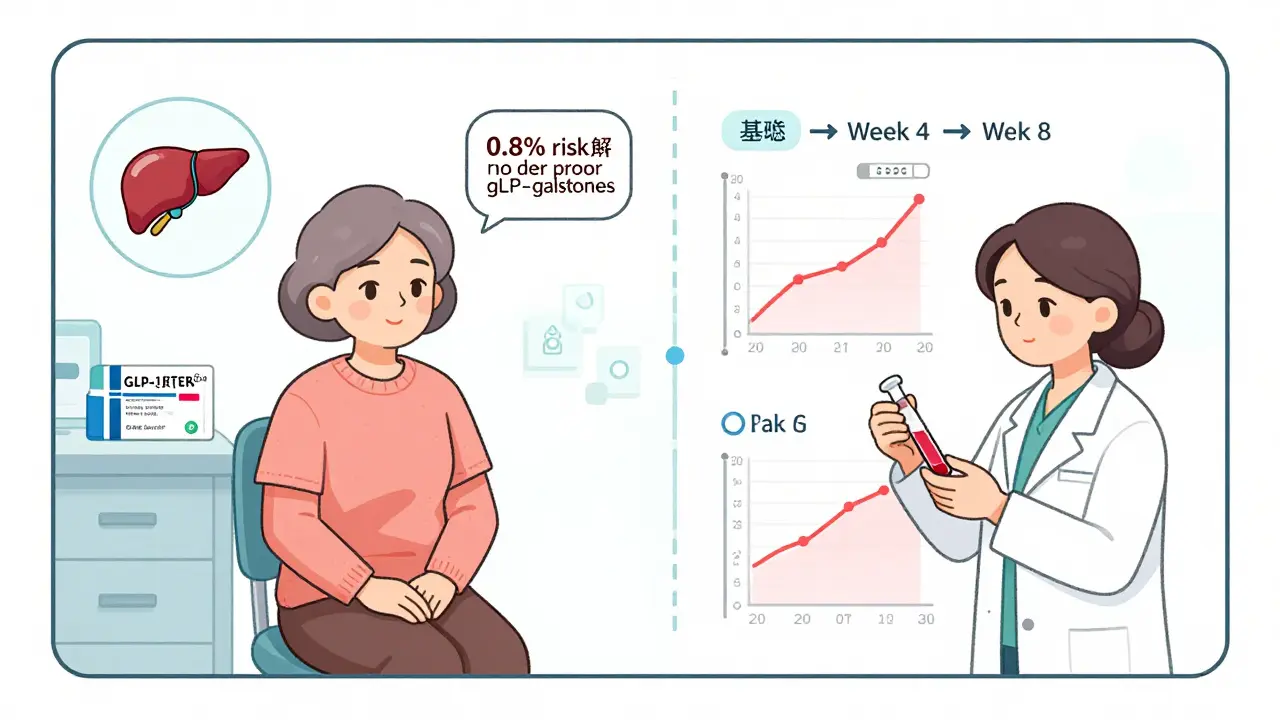
Think of it like this: If a drug causes liver failure in 1 in 200 people-but only if they’re on it for more than six months without blood tests-that’s a boxed warning. The FDA doesn’t pull the drug. It says: “Prescribe this, but only if you check liver enzymes monthly.”
As of 2025, over 420 prescription drugs in the U.S. carry active boxed warnings. That’s about 12% of all approved medications. And it’s not just cancer drugs. It’s antidepressants, diabetes pills, painkillers, and even common antibiotics.
What Changed in 2025?
The big shift in 2025 wasn’t just more warnings-it was better warnings. For the first time, the FDA started requiring all new or updated boxed warnings to include specific, measurable actions. No more vague phrases like “monitor for toxicity.” Now, they say: “Check ALT and AST levels at baseline, then every 4 weeks for the first 6 months.”
Here’s what changed in key areas:
- GLP-1 agonists (like semaglutide and tirzepatide): New warnings added for acute pancreatitis and gallbladder disease, with exact risk numbers: “0.8% incidence in patients with prior gallstones.”
- Immune checkpoint inhibitors (used in melanoma and lung cancer): Added specific warnings for myocarditis in patients under 40, with data showing a 1.5% risk in those under 30.
- Opioid pain patches (fentanyl): Now require explicit documentation of opioid tolerance level (≥50 mg morphine equivalents daily) before prescribing.
- Antibiotics (moxifloxacin, levofloxacin): Updated QT prolongation warnings to include ECG monitoring for patients with known heart rhythm issues or electrolyte imbalances.
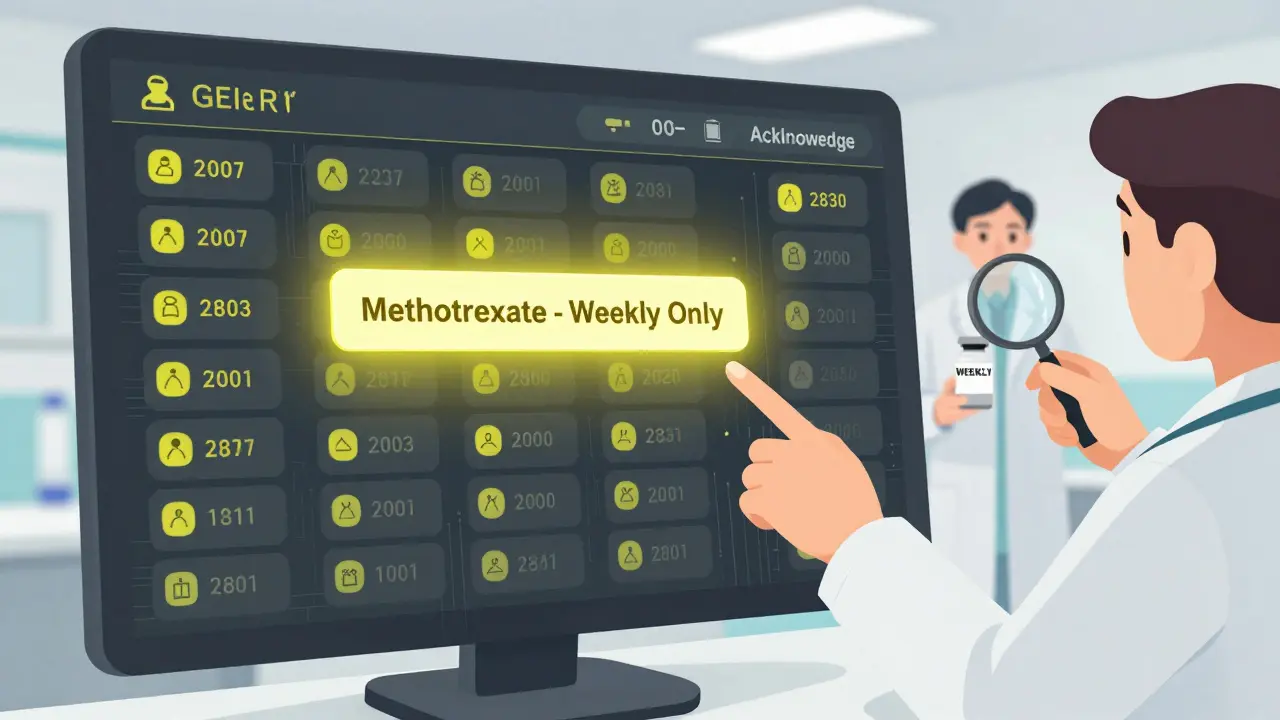
- Methotrexate: Clarified that “weekly dosing only” means exactly once per week-no exceptions. Daily use can be fatal.
These aren’t theoretical. The FDA’s Sentinel Initiative, which tracks 200 million patient records, flagged these risks using real-world data-not just clinical trials. That’s a game-changer. Trials often miss rare side effects. Real patients don’t.
Why This Matters for Patients
If you’re on a medication with a boxed warning, it doesn’t mean you can’t take it. It means you need to be informed. For example:
- If you’re on clozapine for schizophrenia, you need monthly blood tests to check white blood cell count. Skip the test? Risk of sudden, fatal infection.
- If you’re on valproic acid for seizures, your liver enzymes must be checked before starting and again at 3 and 6 months. No test? Risk of liver failure.
- If you’re prescribed isotretinoin for acne, you must enroll in the iPledge program, get two negative pregnancy tests, and use two forms of birth control. It’s strict-but it prevents birth defects.
The problem? Many patients don’t know their meds have these warnings. Doctors don’t always explain them. And electronic health records? They often flood clinicians with too many alerts, so the important ones get ignored.
Why This Matters for Doctors and Pharmacists
For prescribers, the 2025 changes mean more work-but also better protection. The new requirements force specificity. Instead of saying, “Watch for kidney issues,” the warning now says: “Avoid if eGFR is below 30 mL/min. Reduce dose if between 30-50.” That’s actionable.
But here’s the catch: Only 43% of older warnings had this level of detail. That’s why many doctors say they’ve stopped reading them. They’re tired of vague alerts that don’t help.
Pharmacists are now required to perform triple-checks on high-risk drugs. At hospitals like Henry Mayo Newhall, pharmacists must verify:
- Is the patient opioid-tolerant before dispensing fentanyl patches?
- Has the patient had a recent liver panel before starting valproic acid?
- Is the methotrexate dose labeled “weekly,” not daily?
And it’s working. Hospitals with strict protocols saw a 41% drop in preventable adverse events tied to boxed warnings in 2024.
The Bigger Picture: Risk vs. Benefit
Not all boxed warnings lead to fewer prescriptions. Some drugs stay popular even with warnings because there’s no alternative.
Take warfarin. It carries a black box warning for major bleeding. Yet it’s still used in millions of patients with atrial fibrillation because nothing else works as well for them. The warning doesn’t scare doctors away-it just makes them more careful.
On the other hand, rosiglitazone lost 70% of its prescriptions after its 2007 heart risk warning. Why? Because better alternatives existed. The warning didn’t just inform-it changed the market.
Drug companies feel the pressure too. When a new boxed warning drops, stock prices typically drop 8-12% in the next week. But that’s shrinking. Investors now expect these warnings. The market has adapted.
Where the System Still Fails
Despite improvements, gaps remain.
One big issue: alert fatigue. In emergency rooms, doctors sometimes ignore boxed warning pop-ups because they’re buried under 20 other alerts. A 2024 Medscape survey found 44% of physicians say these warnings sometimes delay critical treatment.
Another problem: incomplete data. In 31% of cases, the warning still doesn’t tell you how often the risk occurs. Is it 1 in 100? 1 in 1,000? The FDA now requires this, but old warnings haven’t been updated yet.
And then there’s the human factor. On Sermo, a physician forum, 73% of doctors admitted they override boxed warnings for palliative care patients. Why? Because for someone with terminal cancer, a 1% risk of liver damage isn’t the priority. Pain relief is.
That’s the tension: safety vs. compassion. The system isn’t built for nuance.
What’s Next?
The FDA’s 2023-2027 plan aims to issue 25% more boxed warnings based on real-world data. That means more drugs will get them-especially long-term meds like GLP-1 agonists, immune therapies, and psychiatric drugs.
They’re also testing “dynamic” warnings. Imagine a digital alert that changes based on your age, kidney function, or other meds you’re taking. If you’re 65 with mild kidney disease, the system flags a higher risk. If you’re 30 and healthy? The alert dims. Early trials show this reduces alert fatigue by 37%.
By 2027, every boxed warning should include:
- Exact risk percentage
- Specific monitoring steps
- Clear contraindications
- Alternative options (if any)
This isn’t about scaring people. It’s about empowering them-with facts, not fear.
What You Should Do Now
If you take any prescription meds, here’s what to do:
- Ask your doctor: “Does my medication have a boxed warning?”
- Ask: “What exactly do I need to watch for? What tests or checks are required?”
- Ask your pharmacist: “Is there a specific protocol I need to follow?”
- Keep a log: Note your lab results, symptoms, and any changes in how you feel.
- Don’t skip blood tests-even if you feel fine.
Boxed warnings aren’t a reason to stop taking your medicine. They’re a reason to take it smarter.
Are boxed warnings the same as side effects listed on the pill bottle?
No. The side effects on the pill bottle or patient leaflet are general and often include common, mild reactions like nausea or dizziness. Boxed warnings are reserved for rare but life-threatening risks-like liver failure, fatal infections, or sudden death-that require specific actions to prevent. They’re the FDA’s highest-level safety alert.
Can I still take a drug with a boxed warning?
Yes, if the benefits outweigh the risks and you follow the safety steps. Many life-saving drugs-like chemotherapy agents, antipsychotics, and blood thinners-carry boxed warnings. The warning doesn’t mean “don’t use it.” It means “use it carefully, with monitoring.”
Why do some drugs have boxed warnings and others don’t, even if they’re similar?
Because the risks are different. For example, both pioglitazone and rosiglitazone carry heart failure warnings, but rosiglitazone’s risk was proven to be higher in real-world data. The FDA acts on evidence, not similarity. One drug may have more robust data showing harm, while another doesn’t-yet.
Do boxed warnings affect insurance coverage?
Not directly. Insurance companies don’t deny coverage because of a boxed warning. But some plans require prior authorization for high-risk drugs, which often include boxed warnings. Your doctor may need to prove you’ve had the required tests or that you’ve tried safer alternatives first.
What happens if a doctor ignores a boxed warning?
Legally, they can be held liable if a patient is harmed and it’s proven they ignored clear safety steps. In hospitals, electronic systems now require prescribers to acknowledge the warning before prescribing. Outside hospitals, enforcement is harder-but malpractice cases involving ignored boxed warnings have increased by 29% since 2020.
Can I request a drug without a boxed warning?
You can ask, but your doctor must decide what’s safest and most effective for you. Sometimes, the only effective drug carries a boxed warning. In those cases, avoiding it could be riskier than using it with proper monitoring. The goal isn’t to avoid warnings-it’s to understand and manage them.


9 Comments
veronica guillen giles
Oh great, another FDA memo that reads like a legal thriller written by someone who’s never met a patient. So now I’m supposed to track my liver enzymes like I’m training for the Olympics? Meanwhile, my doctor’s inbox has 47 alerts, and the one about my 80-year-old grandma’s methotrexate? Buried under ‘possible interaction with your cat’s flea medication.’ 🙄
erica yabut
Let’s be honest: this isn’t progress-it’s performative regulation. The FDA didn’t suddenly become ethical; they got sued into compliance. And now they’re slapping ‘1.5% risk’ on everything like it’s a nutritional label. Did you know that ‘1.5%’ could mean one death in a town of 20,000? Or it could mean one death in a trial of 67 patients? The language is precise, but the context? Still a black box. 🎭
Tru Vista
Boxed warnings? More like boxed chaos. They added QT prolongation for moxifloxacin but didn’t update the 2012 warning for valproate hepatotoxicity. And why is ‘weekly dosing only’ even a thing? Like, who thought daily methotrexate was a good idea? 🤦♀️
Hank Pannell
There’s a deeper tension here: medicine as a risk-management system vs. medicine as a human relationship. The FDA’s new warnings are technically superior, but they treat patients like data points. What about the 73% of docs who override warnings for palliative patients? That’s not negligence-it’s wisdom. Maybe the system needs to allow for context, not just checkboxes. A warning shouldn’t be a law. It should be a conversation starter.
Lori Jackson
It’s pathetic that we still need to beg doctors to read these warnings. If your provider can’t grasp that fentanyl patches require documented opioid tolerance, they shouldn’t be prescribing anything. And don’t get me started on how many patients are still getting isotretinoin without two forms of birth control. This isn’t ‘risk vs. benefit’-it’s negligence dressed up as ‘clinical autonomy.’
Wren Hamley
Okay, but let’s talk about the elephant in the room: we’re warning about risks that are statistically tiny compared to the risk of NOT treating. Like, sure, 0.8% chance of pancreatitis on semaglutide-but 40% chance of dying from uncontrolled type 2 diabetes. We’re scaring people away from life-saving drugs because we’re obsessed with perfect safety, not real outcomes. Maybe the real problem isn’t the warnings-it’s our fear of uncertainty.
Sarah Little
Wait-so if I’m on clozapine and skip my blood test, I could die? That’s… intense. But what if I’m homeless and can’t get to a lab? Does the warning mean they’ll stop giving me the med? Or just… let me die? I don’t think the system’s built for people who don’t have a car or insurance. Just saying.
innocent massawe
This is good. Very good. In Nigeria, we don’t have these kinds of warnings. Many patients die from wrong doses or no monitoring. Maybe the system is slow, but it’s trying. I hope other countries follow. 🙏
Vincent Sunio
While the FDA’s 2025 revisions exhibit commendable methodological rigor, one cannot overlook the fundamental epistemological flaw inherent in their evidentiary framework: the conflation of statistical significance with clinical necessity. The imposition of prescriptive monitoring protocols-however quantitatively precise-fails to account for the ontological uniqueness of the individual patient. Furthermore, the market-driven reduction in pharmaceutical stock valuations following such warnings reflects not a rational response to risk, but a pathological manifestation of investor panic. The true pathology lies not in the drugs, but in the system that reduces human physiology to actuarial tables.