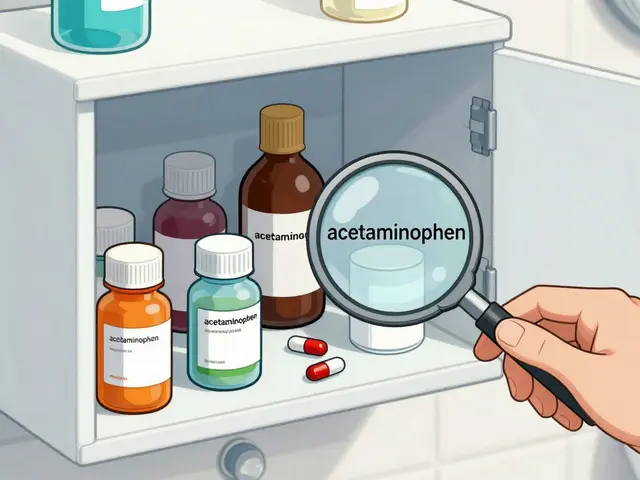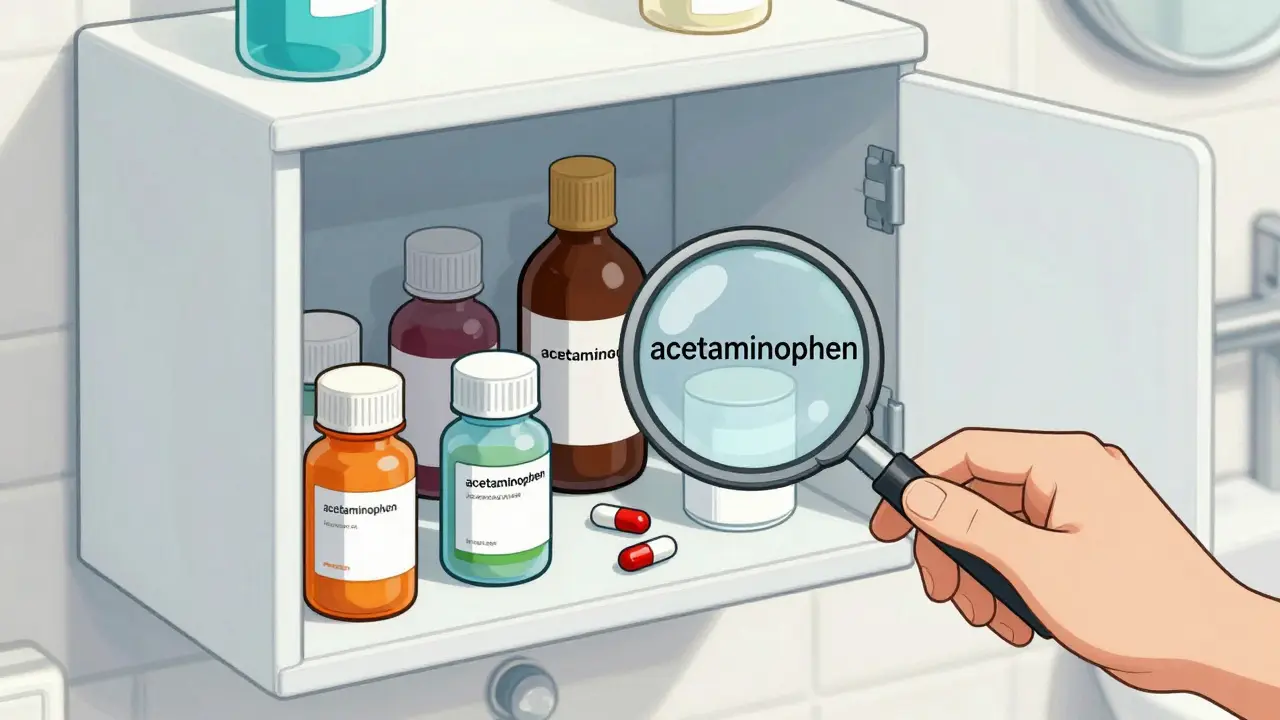
You probably have a bottle of pain relievers in your cabinet right now. For most of us, popping a couple of pills for a headache or a sore back feels harmless. But there is a hidden danger in these common drugs that many people completely overlook. In the U.S. alone, acetaminophen is the leading cause of acute liver failure. It sounds scary, but the reality is that most of these cases aren't intentional-they are accidents caused by not knowing how the drug works or where it's hidden in other medicines.
The good news is that your liver is incredibly resilient if you give it the right environment. Avoiding liver injury isn't about avoiding pain relief entirely; it's about understanding the specific limits of what your body can process. Whether you are a healthy adult or someone managing a chronic condition, knowing the "danger zone" for dosage can be the difference between a quick recovery from a cold and a trip to the emergency room.
| User Profile | Max Single Dose | Max Daily Limit | Key Caution |
|---|---|---|---|
| Healthy Adults | 1,000 mg | 4,000 mg | Avoid alcohol during use |
| Patients with Liver Disease | 1,000 mg | 2,000 mg | Strict medical supervision |
| Combination Products | Varies | 3,250 mg | Check for "hidden" active ingredients |
The Hidden Danger of "Hidden" Ingredients
One of the biggest risks isn't taking too many of one pill-it's taking three different medicines that all contain the same active ingredient. Acetaminophen (known as paracetamol outside the U.S.) is tucked away in over 600 different prescription and over-the-counter products. You might take a pill for a migraine, a syrup for a cough, and a capsule for a sinus infection, not realizing all three are contributing to your total daily dose.
FDA data shows that about 25% of unintentional overdoses happen because of these combination cold and flu products. When you cross the 4,000 mg threshold, your liver runs out of a protective antioxidant called glutathione. Without it, a toxic byproduct called NAPQI builds up and starts killing liver cells. This process is often silent at first, meaning you might feel fine while the damage is actually happening.
Acetaminophen vs. NSAIDs: Which is Safer for the Liver?
When people talk about "pain relievers," they usually mean either acetaminophen or NSAIDs (nonsteroidal anti-inflammatory drugs). It's a common mistake to think they are the same, but they attack pain in different ways and hit different organs.
NSAIDs-which include drugs like ibuprofen, naproxen, and diclofenac-are generally less likely to cause direct liver failure than acetaminophen. However, they aren't "safe" alternatives for everyone. Their primary targets for damage are the kidneys and the stomach lining. For someone with advanced cirrhosis, NSAIDs can be dangerous because they can impair platelet function and increase the risk of gastrointestinal bleeding.
If you have a healthy liver but struggle with stomach ulcers or kidney issues, acetaminophen is usually the preferred choice. If you have severe liver disease, the American College of Gastroenterology suggests that acetaminophen is still the safer bet, provided you stay under the 2,000 mg daily limit and avoid alcohol entirely.
The Alcohol Connection: A Dangerous Synergy
If you're planning on having a few drinks, put the pain relievers away. Alcohol and acetaminophen create a toxic synergy that significantly lowers the threshold for liver injury. For some people, combining the two can make a dose as low as 2,000 mg-half the standard maximum-dangerous for the liver.
This happens because alcohol induces certain enzymes in the liver that produce more of the toxic NAPQI metabolite, while simultaneously depleting the glutathione stores needed to neutralize it. It's a double-hit to your system. Even a "moderate" amount of alcohol can make your liver far more susceptible to toxicity from a standard dose of pain medication.
Practical Strategies to Protect Your Liver
You don't need to be a pharmacist to keep your liver safe. A few simple habits can prevent a catastrophic mistake:
- Read every label: Look for "acetaminophen," "APAP," or "paracetamol" in the active ingredients list of every medicine you take in a 24-hour period.
- Use a medication diary: If you're taking multiple drugs for a chronic condition, write down the dose and the time. This prevents the "I forgot I already took a dose" scenario.
- Set a timer: Maintain at least an 8-hour interval between doses to prevent the medication from accumulating in your system.
- Stick to the 3,250 mg rule: For prescription combination products, follow the updated FDA guidance and cap your intake at 3,250 mg to leave a safety buffer.
- Try non-drug options first: For chronic pain, consider physical therapy, acupuncture, or cognitive behavioral therapy before reaching for the pill bottle.
Warning Signs: When to Seek Help
The scary thing about liver injury from OTC drugs is that symptoms don't always appear immediately. Many people feel perfectly normal for the first 24 hours. However, once the damage reaches a critical point, the signs are distinct. According to the NIDDK, about 93% of cases show these symptoms within 72 hours of an overdose:
- Nausea and vomiting, often accompanied by a total loss of appetite.
- Pain in the upper right side of your abdomen (where the liver is located).
- Dark-colored urine and unusually pale, clay-colored stools.
- Jaundice, which is a yellowing of the skin and the whites of the eyes.
- Extreme fatigue or sudden confusion.
If you suspect an overdose, time is everything. The antidote, N-acetylcysteine (NAC), is incredibly effective, but it works best if administered within 8 hours of ingestion. After 16 hours, its ability to save liver cells drops significantly. If you've accidentally exceeded your limit, don't wait for the yellow skin to appear-get to a clinic immediately.
Is it safe to take acetaminophen if I already have liver disease?
Yes, but with strict limits. Most health organizations, including the American Gastroenterological Association, state that acetaminophen is the preferred pain reliever for liver patients. However, the maximum daily dose is typically capped at 2,000 mg (usually 4 extra-strength pills) rather than the standard 4,000 mg. You must avoid alcohol completely while taking it.
Can I switch to ibuprofen to avoid liver damage?
While ibuprofen (an NSAID) is less likely to cause acute liver failure, it carries its own risks. NSAIDs can cause stomach bleeding and kidney damage. For people with advanced liver cirrhosis, NSAIDs are often discouraged because they can worsen kidney function and interfere with blood clotting.
What are "hidden" acetaminophen sources?
Hidden sources are most common in multi-symptom cold and flu medicines, nighttime sleep aids, and some prescription painkillers (like Percocet or Vicodin). Always check the "Active Ingredients" section of the drug facts label for the word acetaminophen.
What happens if I take more than 4,000 mg in one day?
Exceeding 4,000 mg can deplete your liver's glutathione stores. This allows a toxic metabolite called NAPQI to build up and destroy liver cells. While some people may tolerate slightly more, this is the general safety threshold where the risk of acute liver failure increases significantly.
Are there any liver-safe alternatives for pain?
Topical NSAIDs (gels or creams) are often a safer choice because they are absorbed locally through the skin rather than passing entirely through the liver. Additionally, non-drug treatments like physical therapy and acupuncture are highly recommended as first-line options for chronic pain.