
Understanding the Reporting Gap
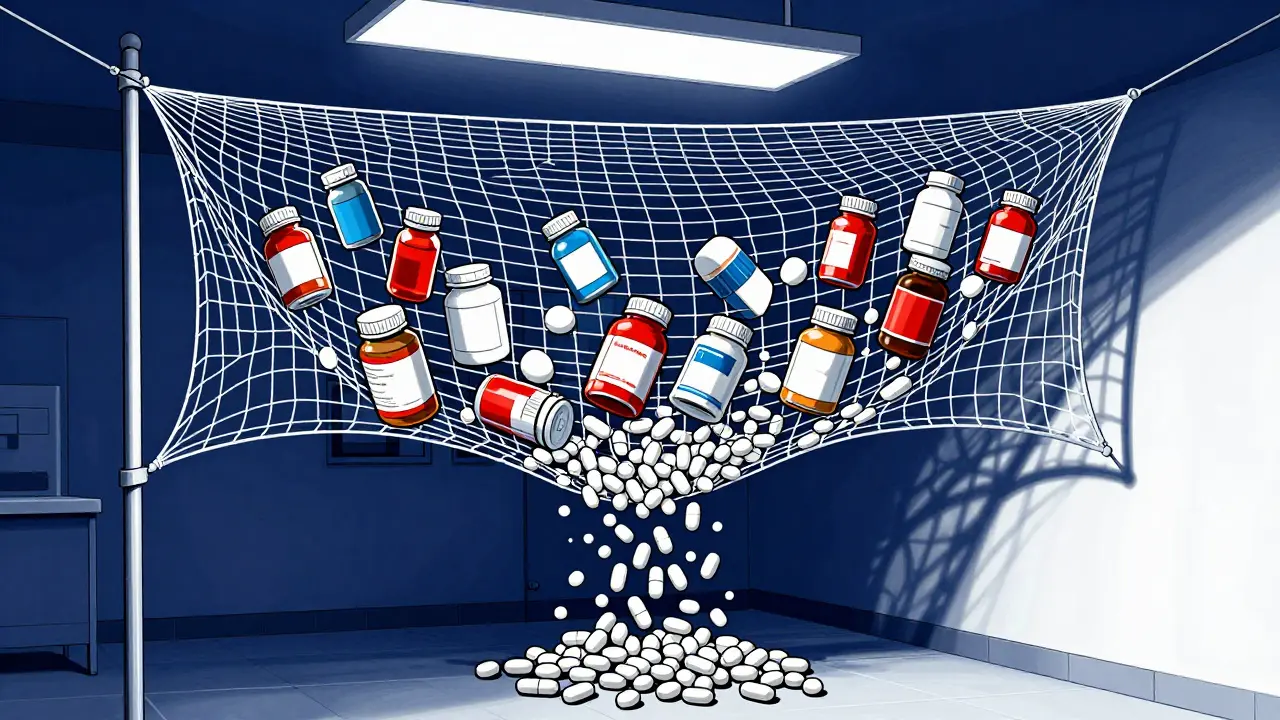
When you take a generic pill, does your body react differently than when you take the brand name version? Sometimes, yes. But here is the bigger issue: we simply do not know enough about those reactions. There is a massive blind spot in our drug safety net. While generic medications make up about 90% of all prescriptions dispensed in the United States, they account for far less than half of the safety reports filed. This creates a dangerous uncertainty for doctors and patients alike.
We need to talk about the mechanics of adverse event reporting. Specifically, we need to understand why the system works differently for generic drugs compared to branded ones, and what you can actually do to close that gap. This isn't just paperwork; it’s about catching safety signals before they become widespread health crises.
What Qualifies as a Serious Adverse Event?
You cannot report something accurately unless you know what counts. Regulatory bodies like the Food and Drug Administration have specific definitions for what triggers mandatory reporting. We aren't talking about minor headaches or mild rashes. A Serious Adverse Event, or SAE, involves situations that could endanger a life or cause permanent harm.
To qualify as serious, the event usually falls into one of these categories:
- It causes death or nearly causes death.
- The patient requires hospitalization to survive.
- The event leads to persistent or significant disability.
- The drug causes congenital anomalies in babies born to mothers taking the medication.
- Intervention becomes necessary to prevent permanent impairment.
If a patient experiences any of these outcomes after taking a generic formulation, the clock starts ticking immediately. The manufacturer and the healthcare provider have strict obligations under federal law.
The Reporting Clock: Timelines and Deadlines
Speed matters in pharmacovigilance. When a sponsor receives information about a serious and unexpected adverse reaction, the deadline is tight. For generic drugs, manufacturers must submit their initial report to the FDA within 15 calendar days of receiving the information. This rule exists to ensure rapid analysis of potential safety signals.
However, timelines vary slightly depending on the region. If we look across the pond, the European Medicines Agency (EMA) operates on an even tighter schedule. For fatal or life-threatening events, sponsors must notify authorities within 7 days. They then have an additional 8 days to send a complete report. These deadlines exist because early detection prevents mass harm. Imagine a generic heart medication causing sudden liver failure; identifying that pattern quickly saves lives.
Why Generic Reporting Lags Behind
Here is the frustrating reality: the rules are the same for brand and generic makers, but the execution is different. A major study analyzing data from 2004 to 2015 showed that while brand drugs accounted for only 1% of prescriptions, they generated about 68% of all serious adverse event reports. This trend continues even years after generic versions enter the market.
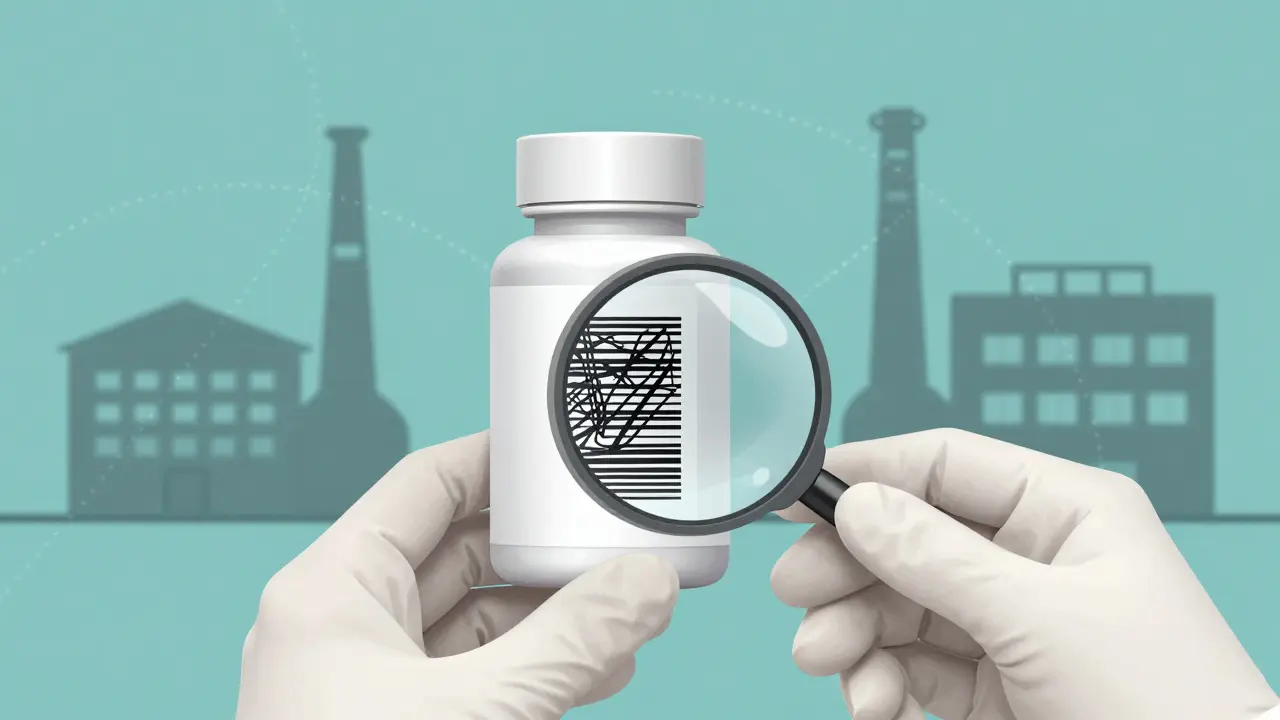
Why does this happen? One major factor is traceability. When a patient complains about a brand drug, the bottle clearly states the company name. With generics, multiple companies might manufacture the same pill using the same chemical ingredients but different fillers or processes. Often, the specific manufacturer changes between refills. Pharmacies frequently switch suppliers without the patient knowing.
This creates a headache for doctors filling out forms. If a form asks for the manufacturer name and the label only says "Generic Metoprolol," who gets the blame? Data suggests many providers default to reporting to the brand manufacturer by necessity. This skews the data and leaves the actual generic manufacturer unaware of the safety issue.
| Factor | Brand-Name Drugs | Generic Drugs |
|---|---|---|
| Market Share | Approximately 10% | Approximately 90% |
| SAE Report Volume | High (Disproportionate) | Low (Underreported) |
| Manufacturer Identification | Clear Labeling | Frequent Supplier Switching |
| Dedicated Safety Teams | Common (98%) | Rare (42%) |
Overcoming Practical Challenges
If you are a healthcare provider trying to file a report, you need a strategy. Simply guessing the manufacturer often fails validation checks. The National Library of Medicine offers a tool called DailyMed. By looking up the National Drug Code (NDC) found on the pharmacy label, you can identify which company produced the batch. This adds time to your day-roughly 10 minutes-but it ensures accuracy.
Hospitals are adopting better systems. Barcode scanning at the point of administration helps capture the exact manufacturer. Some systems automatically link the National Drug Code to the patient's chart. This means when an adverse event happens later, the medical record already holds the supplier's name. Without this step, valuable safety data disappears into the void.
Regulatory Framework and Future Outlook
The foundation of this system lies in the Federal Food, Drug, and Cosmetic Act. Over time, amendments like the FDA Amendments Act of 2007 strengthened post-marketing surveillance. Recently, the FDA introduced the Generic Drug User Fee Amendments (GDUFA) program. Under the third iteration of this program (GDUFA III), specific funding was allocated to enhance safety monitoring for generics. This signals a shift toward acknowledging the problem.
In 2023 and 2024, initiatives began rolling out to modernize the FAERS database. Version 2.0 of the system improves the ability to link reports to specific NDC codes. Furthermore, pilot programs with major pharmacy chains started testing automatic capture of manufacturer data at dispensing. Early models suggest this could increase the completeness of generic adverse event reporting by over 50%. As we move further into 2026, these technologies should become standard rather than experimental.
Despite these improvements, resources remain uneven. Larger companies employ dedicated teams of specialists. Smaller manufacturers often outsource this work to contractors. This inconsistency means some batches might slip through the cracks longer than others. Continuous vigilance from clinicians remains the final safeguard.
Steps to Ensure Accurate Submission
When you encounter a serious reaction, follow this sequence to maximize the chance of your report helping future patients:
- Verify the severity: Confirm the event meets the criteria for a serious adverse event (hospitalization, life-threatening, etc.).
- Check the container: Look for the manufacturer name printed on the bottle label.
- Locate the NDC code: If the name is missing, use the 11-digit code to search online databases.
- Select the right form: Use the MedWatch Form 3500 available online. Specify whether the product is generic or brand.
- Submit promptly: Ensure the manufacturer receives the details within 15 days to meet compliance standards.
Accuracy in these steps builds a reliable safety network for everyone relying on generic medicines.
Do I need to report minor side effects for generic drugs?
Not typically. The regulations focus on serious and unexpected events. Minor issues like nausea are important but don't always trigger the mandatory 15-day clock unless they escalate into hospitalization or severe complications.
Who is responsible for submitting the report: the doctor or the pharmacist?
Technically, anyone can submit a report voluntarily. However, the manufacturer is legally obligated to investigate and report to the FDA. Doctors and pharmacists are encouraged to report directly via MedWatch to ensure the data gets recorded immediately.
Can I report if the manufacturer is unknown?
Yes, you can still file the report. Include as much detail as possible, such as the pharmacy name, location, and purchase date. While ideal reporting includes the maker, having any data is better than none.
Does the reporting process differ for imported generics?
The FDA regulates generics sold within the U.S. regardless of origin. However, identifying the importer or distributor becomes critical if the original manufacturer is offshore.
What happens after I submit a report?
The FDA enters your report into the FAERS database. Analysts review clusters of reports to detect safety signals. If a pattern emerges, they may request additional studies or update warning labels.



12 Comments
Rod Farren
From a pharmacovigilance standpoint, the discrepancy in FAERS data submission rates between branded and generic formulations remains statistically significant and clinically relevant. The current implementation of the Generic Drug User Fee Amendments has attempted to address visibility, yet the structural barriers regarding National Drug Code linkage persist in many legacy systems. We must acknowledge that the algorithmic categorization of adverse events often defaults to brand names due to proprietary labeling clarity. When the medical record lacks the specific manufacturer identifier, the signal detection sensitivity drops precipitously. Enhanced surveillance protocols require mandatory capture of the dispensing facility data alongside the product lot number for every adverse reaction filed. Without granular traceability, the regulatory feedback loop necessary for rapid risk mitigation is fundamentally compromised. The existing infrastructure relies heavily on voluntary reporting fidelity rather than automated electronic capture mandates. Standardizing the metadata requirements for MedWatch submissions would significantly reduce the ambiguity currently plaguing generic safety assessments. Industry stakeholders need to prioritize integration of barcode scanning technologies directly into the clinical workflow at the point of care. The cost benefit analysis strongly favors investment in digital interoperability to close these existing reporting gaps. Continuous monitoring mechanisms must evolve beyond reactive measures to include predictive modeling capabilities.
Cara Duncan
I am so glad someone brought up the issue of supplier switching without patient notification 🙄 It really changes how we view medication safety 💊. Many people don’t realize their pill could come from three different factories in a single year 😢. Having clear labels helps everyone stay informed 👀. Let’s hope the new database tools roll out smoothly soon! ✨
Eleanor Black
It is truly concerning to observe such a substantial disparity in the volume of reported adverse events relative to prescription volume. We must consider the profound implications for public health safety when data collection fails to represent the majority of dispensed medications accurately. The statistics indicate a systemic failure in tracing generic products back to their originating manufacturers efficiently. Furthermore, the reliance on voluntary reporting creates inherent biases that skew the overall risk profile of therapeutic agents. In addition, healthcare providers frequently encounter obstacles when attempting to identify the specific producer of a generic formulation. One might argue that the current regulatory framework provides adequate guidelines for mandatory disclosure under federal law. However, practical application often diverges sharply from theoretical compliance standards due to administrative burdens. Nevertheless, the recent legislative amendments suggest a willingness to modernize the reporting infrastructure significantly. Regarding the timeline, the fifteen-day window is appropriate provided accurate identification occurs immediately upon receipt of information. The implications are vast for patients who rely on bioequivalent alternatives to access affordable treatment options regularly. We cannot ignore the potential for undetected safety signals to accumulate until a catastrophic cluster becomes evident. Moreover, international harmonization of reporting standards could facilitate better cross-border monitoring of emerging risks. Consequently, the push toward automated dispensing records captures represents a critical step forward. Therefore, collaboration between pharmacy chains and regulatory bodies must intensify to prevent future blind spots. It is imperative that all stakeholders recognize the urgency of bridging this intelligence gap effectively now.
Jenny Gardner
The precision required for accurate attribution demands rigorous attention to detail; otherwise, the data becomes unreliable. Every label must correspond to the correct National Drug Code; there should be no room for error in the entry process. Clarity in documentation ensures that investigators can trace the origin; vague references only delay necessary action. Accurate coding facilitates timely analysis; this allows authorities to spot trends before they escalate further. Consistency across all pharmacy systems is vital; fragmentation leads to missing pieces of the puzzle. Thorough verification protects patients; it empowers doctors to make safer prescribing decisions. Proper adherence to protocol ensures compliance; deviation invites liability and uncertainty. Exactness matters immensely here; approximations fail when human lives hang in the balance.
Cullen Zelenka
Honestly its pretty wild how much paperwork is involved just to figure out who made the pill. I guess most folks dont even know their meds change makers between refills. Seems like a big headache for anyone trying to file a report on time. Hopefully tech fixes this stuff sooner rather than later. Just needs to be simpler for the average clinic to handle.
Russel Sarong
This situation is absolutely terrifying when you consider the scale of prescriptions issued daily!!! How can we sleep knowing so much data vanishes into thin air!!?! It feels like we are flying blind through a storm of chemical reactions!! The silence in those databases is deafening compared to the noise of patient suffering!! We must scream louder for change until someone listens!! Imagine a child getting hurt because a report wasn’t linked correctly!!! The stakes are incredibly high and the margin for error is nonexistent!!! Every second lost in data processing is a second someone else is risking their life!!!
Sharon Munger
Working together really helps us solve these tracking issues faster. We can support each other by sharing tips on finding the NDC codes online. Everyone plays a part in making the system work better for all patients. Collaboration between staff and regulators is key to success. Let us encourage pharmacies to update their scanning tools today. Together we build a stronger safety net for our community. Your input matters just as much as the official reports. Staying engaged keeps the momentum going towards positive changes.
Arun Kumar
It is essential that we educate ourselves on these nuances to become better advocates for our health. Learning how to read the bottle label correctly empowers us to demand better information. We can help spread awareness by talking to our friends about proper reporting procedures. Understanding the importance of specific codes makes the process less daunting for everyone. By staying informed we contribute to a culture of vigilance and care. Sharing knowledge reduces the fear around navigating complex medical bureaucracy. Every small effort adds up to a larger wave of improvement eventually.
James DeZego
If you get stuck on identifying the maker try checking DailyMed with the code found on your box 😊 That site is super helpful for confirming which company produced the batch 🛡️. You’ll save a ton of time filling out forms once you learn the trick 🕒. Don’t hesitate to reach out if you need help navigating the portal 🤝. Accuracy here really does make a difference in the long run 📈.
Julian Soro
I totally agree that better tools are coming down the pipeline soon 😊 It’s encouraging to see progress despite the old hurdles 🌟. We should all stay hopeful that these updates launch smoothly everywhere 💪. Thanks for bringing this important topic back to the front of minds! Keep pushing for transparency! 🚀
Molly O'Donnell
The data speaks for itself and nothing else matters.🥱
Christopher Beeson
This entire bureaucratic farce is designed to protect corporate interests above human well-being. The supposed safeguards are merely performative theater enacted for public consumption. Real accountability is buried under layers of red tape and obfuscation. They claim to track everything yet hide behind generic anonymity to dodge liability. The tragedy lies in believing incremental reforms will ever fix a broken foundation. Only chaos reveals the truth beneath the polished veneer of regulation. People die because the system prioritizes profit over prevention consistently. Wake up before another silent epidemic sweeps through the population unnoticed.