
- Refill information tells you exactly how many times you can renew medication without seeing your doctor again.
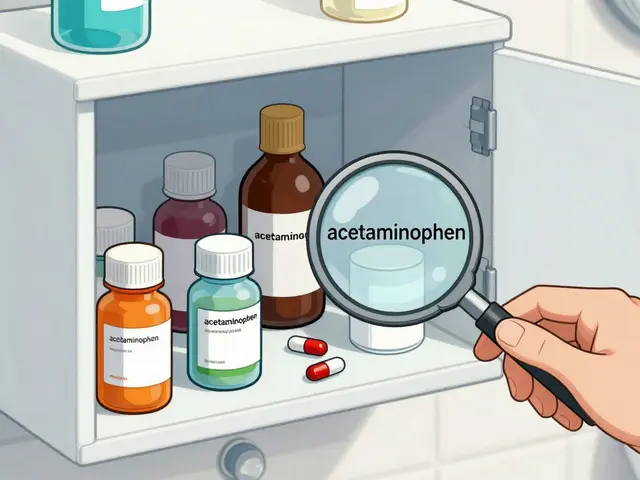
- Look for "Ref:" followed by a number near the bottom of your Prescription Labela printed tag attached to medication packaging providing essential usage details.
- A value of "0" does not mean you have no medicine; it means you have no remaining renewals.
- Insurance plans often dictate when you can pick up refills based on supply days.
- Digital tools and apps can now read labels aloud to prevent errors.
The Hidden Clues on Your Medicine Bottle
You’ve probably stared at a pill bottle wondering if you still have time before hitting your limit. That anxiety is common, but the answer is always right there in plain sight. When you pick up your medication, the a printed tag attached to medication packaging providing essential usage details carries more than just instructions on how to swallow a pill. It holds the schedule for your future health care needs. Most people scan the top for dose instructions-like “take two tablets daily”-and stop there. However, the vital data regarding renewals sits safely tucked away, usually in the lower third of the paper.
This placement isn’t an accident. According to safety standards set by the U.S. Pharmacopeial Conventiona non-profit scientific organization setting standards for medicines, critical safety warnings stay at the top to prevent distractions. Refill data gets pushed down because while urgent, it doesn’t affect your immediate safety today. Yet, ignoring it leads to gaps in treatment. In a survey from 2022, the Pharmacy Quality Alliance found that nearly 92% of community pharmacies follow this standardized layout. If you know where to look, you save yourself trips to the doctor’s office when you aren’t sick, just because you forgot your limits.
Coding the Numbers: What 'Ref: 5' Really Means
Once you locate the section, you’ll see a code. It usually looks like "Ref: 5" or "Refills: 0." Many patients mistake these numbers for the physical count of pills in the bottle. That is a dangerous assumption. Let’s clarify the difference between quantity and authorization. If the label says "Quantity: 30" and "Ref: 5," you physically have 30 pills in hand. But the "5" represents five additional visits to the pharmacy to get more medicine using the same doctor’s order.
Every time you walk in to swap your empty box, a pharmacist deducts one from that total. So, "Ref: 5" becomes "Ref: 4" on the next bottle. When you finally see "Refills: 0," the game changes. You cannot simply call the pharmacy for another bottle. You must contact your healthcare provider to authorize a fresh prescription. A common frustration documented in patient forums involves users who saw "0" and thought they had zero pills left, causing unnecessary panic. They often confused "zero refills left" with "zero medication available." Always check the "Quantity" field alongside the "Refill" field to know exactly how much medicine you currently hold versus how much permission you have left.
| Element | What It Indicates | Why It Matters |
|---|---|---|
| Patient Name | Who the medication belongs to | Prevents giving drugs to the wrong person | Dosage Instructions | How much and when to take it | Ensures therapeutic effectiveness and safety | Refill Count | Remaining authorizations for renewal | Tracks if you need a new doctor visit | Expiration Date | Last day to take this specific batch | Maintains chemical stability and potency |
Navigating Timing and Insurance Rules
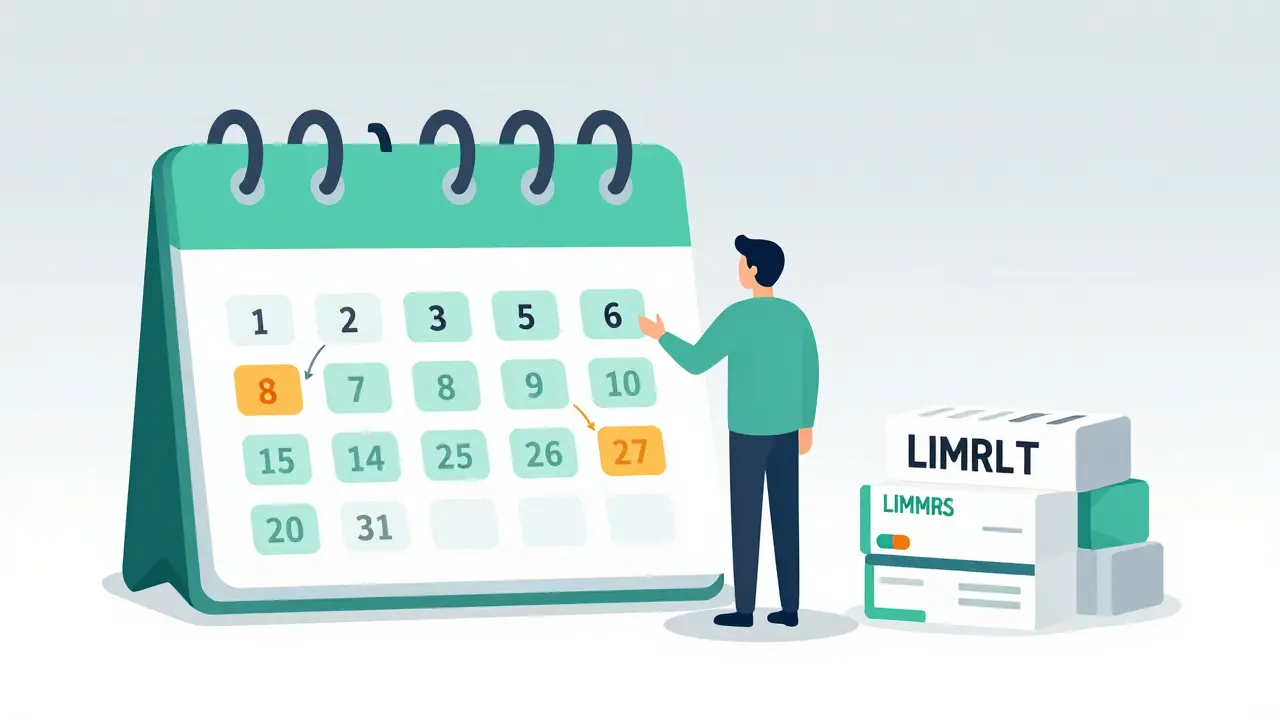
Knowing you have refills is one thing; knowing when to ask for them is another. You cannot typically demand a refill the day you finish your last dose. Insurance companies enforce specific windows to control costs and prevent stockpiling. For instance, if you are on a standard commercial plan, they might let you refill when you have used 80% of the supply. With a 30-day supply, you can often return around day 24.
If you use Medicare Part D, the rules shift slightly. Their standard policy allows refills roughly 23 days after the previous pickup for monthly supplies. However, some conditions override this. Controlled substances, like ADHD medications or painkillers, often require stricter tracking. Some state laws even mandate waiting periods longer than standard supplies. If you try to refill too early, the system blocks you. Conversely, waiting too long causes interruptions. Studies published in the American Journal of Managed Care tracked over 12,000 patients and found those who understood these refill mechanics were 37% less likely to run dry. Managing the calendar is part of the therapy itself.
Common Pitfalls and Misunderstandings
Even with clear labels, confusion lingers. One frequent mix-up involves expiration dates linked to refills. Sometimes a prescription has refills authorized, but the prescription itself expires after one year. You could have "Ref: 10" but the date on the label has passed. Once that expiration hits, the entire authorization voids. You need a completely new script.
Another hurdle appeared recently with major chains updating their designs. A large chain in the US updated its format in 2022 to use color-coding. Some users felt overwhelmed by the new colors until they realized the system helped sort morning and evening doses. While the visual design changed, the core data remained consistent. However, variations exist between regions. For example, Texas requires explicit statements showing both total authorized refills and remaining ones, while California focuses on stating "no refills" clearly. These regional nuances mean your local independent pharmacy might label things differently than the big chain across town. Always double-check the small print if something looks unfamiliar.

Digital Tools Making Refills Smarter
Technology is stepping in to bridge the gap between paper labels and real-life management. Several pharmacists now offer services where you scan a bottle with your phone. The app, such as Spoken Rx from CVS Health, reads the label aloud. This helps patients with vision issues or dyslexia confirm they have refills available without squinting at tiny text. The technology also alerts you when a refill approaches its deadline.
Beyond reading, apps can automate the process. In 2023, reports highlighted programs where pharmacies auto-process refills once you leave enough time buffer. This "worry-free" model reduced stress for millions of users. While not every location offers this yet, asking your pharmacist about automatic enrollment is worth considering. It ensures the system tracks the math for you. If you prefer old-school methods, keep a dedicated notebook for dates. Write down the "next allowed refill date" every time you pick up a bottle. This manual log works perfectly well if you forget the digital notifications.
What to Do When You Hit Zero
Sometimes you run through your refills faster than expected. Life happens, and schedules slip. Hitting "Refills: 0" isn't the end of the road, but it requires immediate action. First, call your doctor's office immediately. Explain you are out of medication. Some providers can fax a quick extension for a few weeks to bridge the gap. Others may want to see you first. Do not wait until the night before you run out. Pharmacies often need 72 hours to process controlled substance requests due to legal processing times.
If you need to switch locations, check if your new pharmacy has access to your history. Chain pharmacies often share data, but moving to an independent shop might require fresh paperwork. Always keep the old bottle with you; it proves what you have been taking and prevents duplicate medication risks. Understanding the lifecycle of your prescription saves stress and keeps your health routine steady.
Where is refill information usually located on a label?
Refill information is typically found in the lower section of the label, away from the dosing instructions. Look for the abbreviation "Ref:" followed by a number representing remaining renewals.
Does "Refills: 0" mean I have no medicine left?
No, it means you cannot get any more renewals. Check the "Quantity" section to see how many pills remain in the bottle. You will need a new doctor prescription to continue.
Can I refill my prescription early?
Most insurance plans restrict early refills to around 80% of the supply duration (e.g., day 24 for a 30-day supply). Exceptions exist for vacations or travel if arranged ahead of time.
How do I know if my refills are expired?
Refills often have a time limit separate from the count. Even if you have refills left, check the expiration date of the original prescription authorization, which is usually one year.
Is there an app to help read prescription labels?
Yes, several pharmacy apps like CVS Spoken Rx allow you to scan your bottle barcode to hear the instructions and refill status read aloud in multiple languages.


13 Comments
Victor Ortiz
People ignore the label because they refuse to read small print. It is negligence on their part when health systems are transparent. The data is there for those willing to look past the anxiety. Ignorance causes gaps in treatment that could be avoided easily. Stop blaming pharmacies for your lack of attention.
Biraju Shah
Your tone is off. You sound like you are attacking patients for trying to manage chronic issues. People forget things under stress. Blaming the patient does nothing to fix the confusing labeling laws we have today. We need better design not more judgment on literacy levels.
Amber Armstrong
I remember when my mom ran out of meds last year. She stared at that label for hours. The numbers were so confusing for her. We thought we had enough pills left inside. But we actually had zero refills available. She panicked because she couldn't work the next day. Finally we found the refill section hidden below. It was tucked away near the expiration date. Reading that small print saved us a huge trip to the office. Insurance plans really do mess up the timing rules sometimes. They tell you to wait until day twenty-four strictly. Sometimes life gets in the way of following the calendar perfectly. You need friends who help watch your schedule closely. Technology helps but nothing beats checking by hand regularly. Please keep your own logbook for these dates just in case.
Adryan Brown
Your story really resonates with a lot of people here. Health management requires patience from every side involved. We should not judge anyone for feeling confused by medical tags. Labels get updated frequently by different pharmacy chains constantly. What looked clear last year might change in six months completely. Digital apps are improving the situation for many elderly patients. Still having a physical notebook remains a solid backup plan always. Consistency helps reduce the stress levels during monthly pickups. It feels overwhelming when systems block requests for minor delays. Communication between doctors and pharmacies needs better synchronization. Patients deserve clearer instructions printed right on the front. Safety margins should be built into insurance approval cycles automatically. Small changes in design prevent big emergencies down the line. Understanding the code is half the battle for stability. We all want to stay healthy without unnecessary administrative hurdles.
Angel Ahumada
The bottle is a vessel of trust yet we treat it like a burden. Refills represent future potential while medicine represents present relief. We often confuse the two temporal states of our health journey. This separation creates anxiety in the void between doses. Maybe the system works best when we stop fearing the zero count.
Vikash Ranjan
Philosophy doesn't fill the bottle. The insurance policy dictates reality more than deep thoughts ever will.
Kendell Callaway Mooney
Just check the quantity field next to the refills. That tells you what you hold right now. The refill number is just permission for later visits. Keep a note in your phone if the paper gets lost. Simple habits save lots of headaches down the road.
William Rhodes
Yes and keep pushing for automation. We can fix this waste. Do not let the old ways slow you down.
dPhanen DhrubRaaj
Reading labels clearly saves money on extra doctor visits.
Christopher Curcio
Compliance metrics show adherence drops when authorization windows close prematurely. Utilizing digital scanning tools enhances patient safety outcomes significantly. Pharmacist intervention reduces error rates during label interpretation phases.
RONALD FOWLER
Its good to know where to look on the tag. Many people miss that spot entirely.
Cameron Redic
Most folks just want pills not education on supply chain logistics. Writing all this out ignores how busy everyone really lives. Good intentions fail when execution gets messy.
Marwood Construction
Standardization protocols across states remain inconsistent despite federal guidelines. Regional variance complicates national portability efforts.