
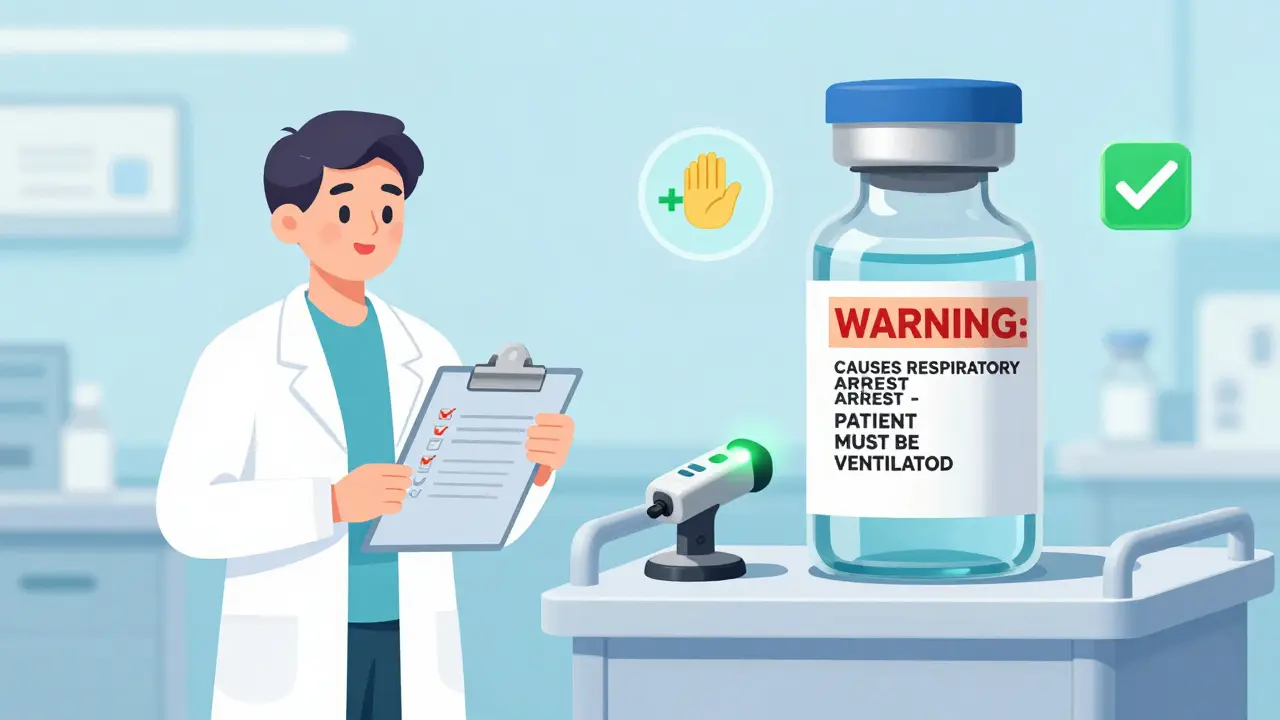
Getting your medication list right isn’t just about writing down what you take. It’s about making sure the safety alerts tied to those drugs are clear, visible, and acted on-every single time. Missing a warning on insulin, blood thinners, or opioids can lead to serious harm, even death. The good news? There’s a proven system to prevent this, and it starts with how you document safety alerts on your medication list.
Why Safety Alerts on Medication Lists Matter
Not all medications are created equal. Some carry a much higher risk if used incorrectly. These are called high-alert medications, and they’re defined by the Institute for Safe Medication Practices (ISMP) as drugs that can cause serious patient harm when used in error. The current 2024-2025 ISMP list includes 19 categories: insulin, opioids, anticoagulants, neuromuscular blockers, chemotherapy agents, and more.Research shows that when safety alerts are properly documented and followed, medication errors drop by up to 50%. In one study of 47 hospitals, facilities with full documentation compliance had just 4.2 errors per 1,000 doses. Those with partial compliance? 12.7 errors per 1,000 doses. That’s more than triple the risk.
But here’s the catch: simply having an alert pop up on a computer screen isn’t enough. Studies show that up to 49% of electronic alerts get bypassed if they’re not tied to clear, documented safety steps. The goal isn’t just to warn-it’s to force action.
What Counts as a Proper Safety Alert
A safety alert isn’t just a note like “Caution: High Risk.” It needs to be specific, actionable, and tied to a documented process. The ISMP guidelines spell out exactly what this looks like:- For neuromuscular blockers: Every container must have an auxiliary label that says: “WARNING: CAUSES RESPIRATORY ARREST - PATIENT MUST BE VENTILATED.” No exceptions.
- For oral methotrexate: The electronic system must block the order unless the prescriber selects an oncology-specific indication and confirms weekly dosing (not daily). The system defaults to weekly to prevent deadly mistakes.
- For insulin: Documentation must include standardized concentrations, barcode scanning, independent double-checks, and proof the patient understood how to use it.
These aren’t suggestions. They’re requirements for accredited hospitals under Joint Commission standards. And they’re backed by data: facilities that follow these exact steps reduce errors by nearly 50%.
How to Build Your Safety Alert Documentation System
Creating a reliable system doesn’t happen overnight. It takes structure. The ISMP recommends a 9-month phased rollout, but even smaller clinics can start with these five steps:- Identify your high-alert medications. Start with the ISMP 2024-2025 list. Then, adjust for your facility. If you don’t give chemotherapy, you don’t need to document those alerts. Be specific.
- Assign ownership. Designate one person-usually a pharmacist or nurse-as the medication safety officer. Over 87% of high-performing facilities have one.
- Map out where alerts are triggered. Is it when the order is written? When it’s dispensed? When it’s administered? Document each step. Use checklists.
- Use technology wisely. Barcode scanning should be mandatory for all high-alert meds. Systems that automatically log scans cut documentation time by 65%. Avoid alert overload-more than 15 alerts per order leads to fatigue and bypass rates as high as 69%.
- Track what matters. Monitor three things: scanning compliance (target 95%), how often alerts are bypassed (keep it under 5%), and whether bypasses are reviewed with root cause analysis.
Don’t try to do everything at once. Pick one high-alert drug-like insulin-and perfect the process for it before moving to the next.
Common Mistakes That Undermine Safety
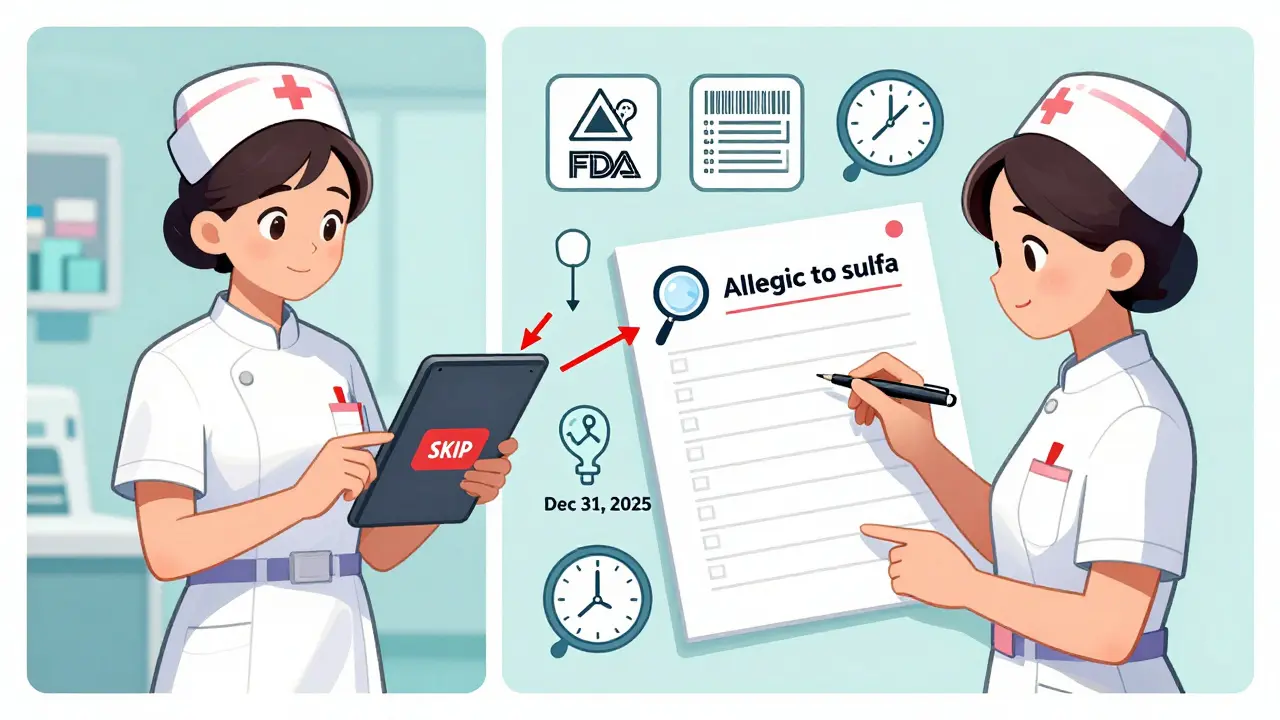
Even with the best intentions, teams often mess up documentation in ways that make safety worse:- Over-documenting. Adding alerts for every possible risk turns them into noise. A 2015 study found that systems generating more than 15 alerts per order saw compliance drop to 31%.
- Not following up. If a nurse bypasses an alert because the patient is allergic, that reason must be documented. Otherwise, the next provider won’t know why the warning was ignored.
- Ignoring external alerts. The FDA releases about 120 drug safety communications each year. If your system doesn’t have a way to integrate these into your internal list, you’re operating with outdated info.
- Using paper only. Paper lists get lost, updated inconsistently, and can’t trigger electronic safeguards. If you’re still using handwritten medication lists, you’re missing half the safety net.
The biggest mistake? Thinking documentation is just paperwork. It’s not. It’s the backbone of a safety culture. If you don’t track it, you don’t improve it.
Real-World Challenges and How to Overcome Them
Not every facility has the budget or staff of a big hospital. Rural clinics and small pharmacies face real barriers:- Staff shortages. One Reddit user from a rural hospital said: “We’re supposed to document every bypassed alert, but with 3 pharmacists covering 24/7, we just don’t have time.”
- Cost. The average hospital spends $285,000 a year maintaining these systems. But the savings are real: each prevented adverse drug event saves about $1.2 million.
- Integration issues. Getting FDA alerts into your system manually is slow. New tools like the FDA’s Sentinel Initiative now push automated feeds directly into EHRs, cutting manual entry by 80%.
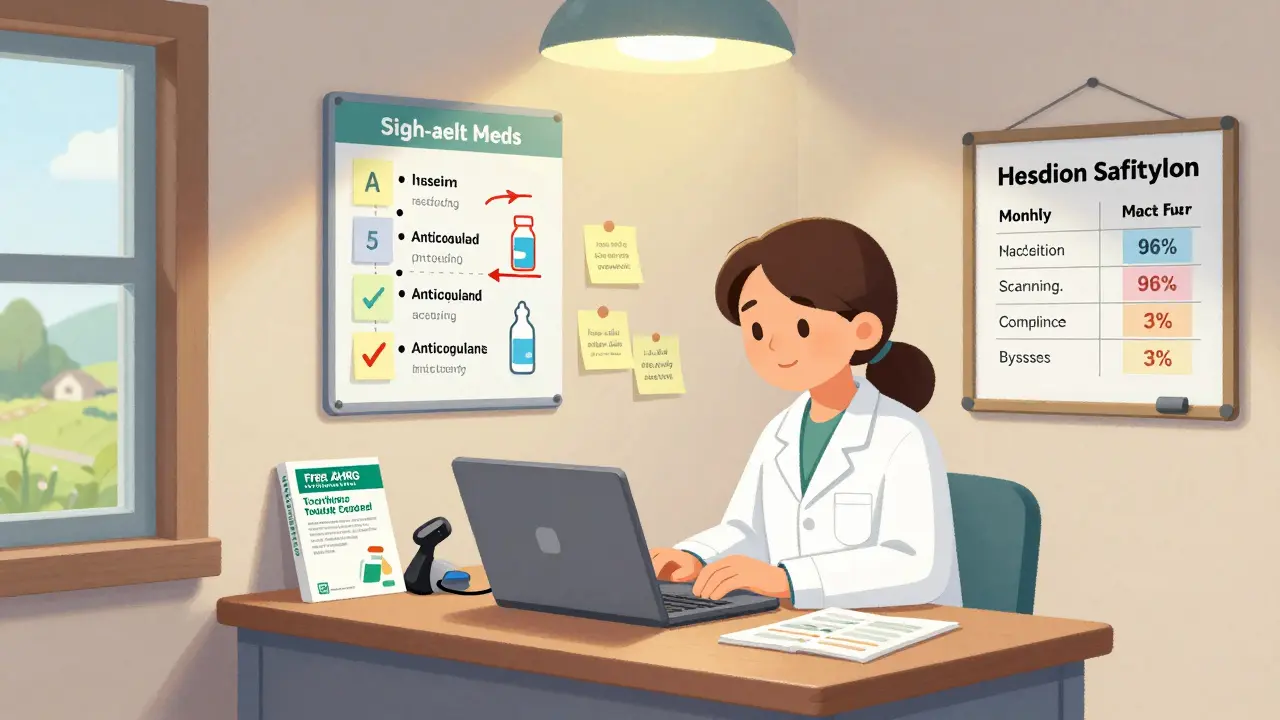
Solutions? Start small. Use free tools from AHRQ’s Medication Safety Toolkit. Train one person to manage alerts. Use open-source templates for checklists. And push for electronic systems-even basic ones with barcode scanning can make a huge difference.
The Future of Safety Alert Documentation
The field is moving fast. In 2024, the ISMP added new requirements for compounded medications and vaccine errors, with full compliance due by December 31, 2025. The FDA’s Sentinel Initiative is already feeding real-time safety data to hospitals. And by 2025, Epic Systems will roll out an AI module that auto-prioritizes alerts based on your facility’s error history.But AI isn’t perfect. Early versions had an 18% false-negative rate-meaning they missed critical alerts. That’s why human oversight is still required. The goal isn’t automation for automation’s sake. It’s automation that reduces workload while increasing safety.
By 2027, ECRI predicts 75% of U.S. hospitals will have fully automated safety alert documentation with real-time analytics. That means fewer errors, less paperwork, and more time spent on patient care.
What You Need to Do Now
If you’re responsible for medication safety-whether you’re a pharmacist, nurse, or clinic manager-here’s your action plan:- Download the ISMP 2024-2025 Targeted Medication Safety Best Practices (free from their website).
- Identify your top 3 high-alert medications used in your setting.
- Check your current documentation: Are alerts specific? Are they tracked? Are bypasses reviewed?
- Set a 30-day goal: Implement one new documented safety step-for example, mandatory barcode scanning for insulin.
- Measure results after 60 days. Did errors go down? Did staff feel less overwhelmed?
Safety isn’t about having the fanciest system. It’s about having a system that works-and being consistent with it. The data is clear: structured documentation saves lives. The question isn’t whether you can afford to do it. It’s whether you can afford not to.
What is a high-alert medication?
A high-alert medication is a drug that carries a higher risk of causing serious harm if used incorrectly. Examples include insulin, opioids, anticoagulants, neuromuscular blockers, and chemotherapy agents. The Institute for Safe Medication Practices (ISMP) maintains the official list, updated every two years.
Why are safety alerts on medication lists so important?
They turn warnings into actions. A simple alert on a screen can be ignored. But when it’s tied to a documented step-like a mandatory double-check or a barcode scan-it forces the team to pause and verify. Studies show this reduces medication errors by up to 50%.
Can I just use a paper medication list with handwritten alerts?
You can, but it’s risky. Paper lists can be lost, updated incorrectly, or overlooked. They don’t integrate with electronic systems that prevent dosing errors or trigger alerts. For true safety, combine paper lists with electronic systems that enforce documentation, especially for high-alert medications.
How often should safety alert documentation be reviewed?
At minimum, review documentation quarterly. Any error that causes patient harm must be analyzed immediately. Monthly safety committee meetings are linked to a 33% reduction in alert bypasses. Also, update your list whenever new FDA alerts are issued or new medications are added to your formulary.
What if staff keep bypassing safety alerts?
Don’t punish the bypass. Investigate why. Is the alert irrelevant? Is the workflow broken? Is there a system error? Every bypass must be documented with a reason, then reviewed by the safety officer. If more than 5% of alerts are bypassed, it’s a red flag that your system needs redesigning, not more enforcement.
Are there free tools to help document safety alerts?
Yes. The Agency for Healthcare Research and Quality (AHRQ) offers free Medication Safety Toolkits with templates for high-alert lists, checklists, and documentation forms. The ISMP also provides downloadable worksheets for assessing your current safety practices. Start there before investing in expensive software.
Will new regulations affect how I document safety alerts?
Yes. Starting in 2025, the Centers for Medicare & Medicaid Services (CMS) will include documentation of high-alert medication protocols in Hospital Value-Based Purchasing assessments. This could affect annual reimbursements of up to $2.1 billion. Non-compliance with Joint Commission standards can also risk hospital accreditation.
Next Steps for Your Team
If you’re ready to improve safety:- Start with one high-alert medication. Master it.
- Train everyone on the new documentation steps-no exceptions.
- Use a simple tracker: Who scanned? Who double-checked? Was the alert bypassed? Why?
- Meet monthly with your team to review data. Celebrate wins. Fix what’s broken.
Safety isn’t a project. It’s a habit. And habits are built one documented step at a time.
15 Comments
Anu radha
This made me think of my aunt who nearly got a double dose of insulin because the nurse missed the alert. Simple stuff, but life or death. Thanks for laying it out so clearly.
Victoria Rogers
Wow another one of these ‘document everything’ posts. Like we dont have enough paperwork already. The real problem? Nurses are overworked, not underdocumented. Fix staffing, not the checklist.
Steven Lavoie
As someone who’s worked in both Indian and US hospitals, the core issue is the same: alerts become noise when they’re not contextual. In Mumbai, we used color-coded sticky notes. In Chicago, we used Epic. But the human moment-when someone pauses because they *care*-that’s what saves lives. Tech just supports it.
Brooks Beveridge
Love this. Seriously. It’s not about being perfect-it’s about being consistent. I used to roll my eyes at double-checks… until I saw a coworker catch a 10x insulin dose because the barcode didn’t scan. That moment changed everything. 🙏
Radhika M
My hospital in Delhi just started using barcode scans for insulin. We had 3 near-misses last month. Now zero. Just one small change. Proof it works.
Philippa Skiadopoulou
Documentation must be actionable not performative. If the alert doesn’t change behavior, it’s just digital clutter. The ISMP framework works because it forces action, not just compliance.
Pawan Chaudhary
Man, this is exactly what we need more of. Not more rules, but clearer ones. Keep it simple, keep it real. You’re doing great work!
Linda Caldwell
YES. One step at a time. We picked insulin first. Two weeks later, staff stopped sighing when the alert popped up. Now they say ‘thank you’ for it. That’s the win.
CAROL MUTISO
Oh wow, another ‘just follow the checklist’ fairy tale. Tell me, Carol, when was the last time you saw a nurse actually read a 12-step protocol while holding a crying kid and a 3am IV bag? This isn’t a spreadsheet-it’s a warzone with bad Wi-Fi.
Erik J
How often are bypass reasons actually reviewed? The post says ‘must be documented’ but doesn’t mention follow-up. Is anyone actually looking at those notes?
BETH VON KAUFFMANN
Let’s be real-this is just another compliance theater play. The Joint Commission doesn’t care if you save lives, they care if you have a signed form. 87% of facilities have a ‘safety officer’-but 92% of them are RNs doing it on their lunch break.
Martin Spedding
paper lists? LOL. Youre lucky if your pen works. We had a med error last week because someone wrote ‘2mg’ and it looked like ‘20mg’. And no one noticed. This is why we need tech. Or at least better handwriting.
Nishant Desae
I’ve seen this play out in three different rural clinics across India. The biggest hurdle isn’t tech or money-it’s trust. Nurses think these alerts are for ‘big hospitals’ or to ‘cover the hospital’s ass’. So they ignore them. What changed? When we started showing them real stories-like the 6-year-old who almost died from daily methotrexate because the system didn’t block it. That’s when they started listening. It’s not about rules. It’s about remembering we’re protecting real people. My cousin’s daughter almost became one of those stats. I won’t let that happen again.
Meghan O'Shaughnessy
Just returned from a trip to Ghana where a clinic used printed QR codes on laminated cards for insulin alerts. Scanned with a phone. No EHR. No internet. Just human ingenuity. Sometimes the best tech is the one that works with what you have.
Kaylee Esdale
My favorite part? ‘Start with one drug.’ We did insulin. Now we’re doing heparin. Next up? Morphine. It’s not sexy, but it’s sacred work. And honestly? I feel like a superhero when I catch a mistake before it happens.