Antidepressants: What They Are, How They Work, and What You Need to Know
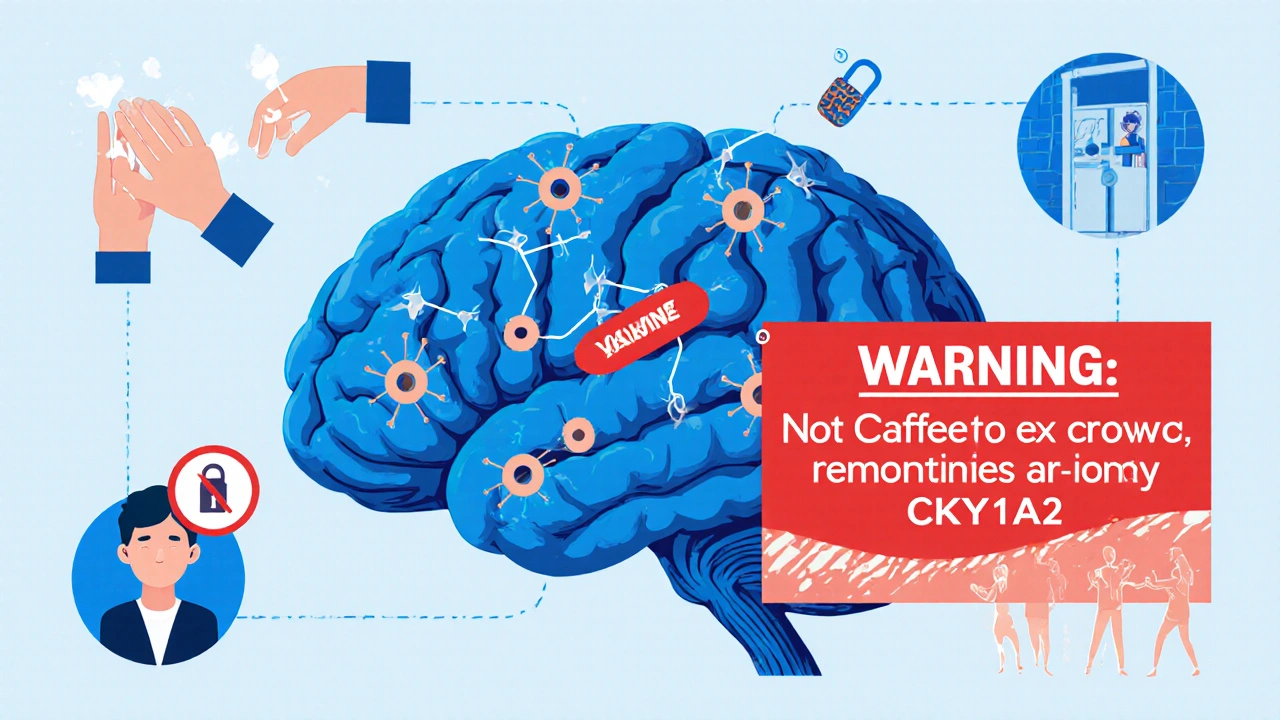
When people talk about antidepressants, medications used to treat depression by affecting brain chemicals like serotonin and norepinephrine. Also known as mood stabilizers, they're not instant fixes—but for millions, they're the key to regaining control of daily life. These drugs don't make you "happy"—they help your brain handle stress, sadness, and fatigue more effectively. If you've ever felt stuck in a fog that won't lift, or if simple tasks feel overwhelming, antidepressants might be part of the solution.
There are several main types. SSRIs, selective serotonin reuptake inhibitors like sertraline and fluoxetine. Also known as Prozac or Zoloft, these are often the first choice because they're well-tolerated and have fewer side effects. Then there are SNRIs, serotonin-norepinephrine reuptake inhibitors such as venlafaxine and duloxetine. Also known as Effexor or Cymbalta, these work on two brain chemicals at once, which can help if SSRIs don't cut it. You'll also find older options like tricyclics and MAOIs, but they're used less often today due to stronger side effects and dietary restrictions.
Antidepressants don't work the same for everyone. Some people feel better in weeks. Others need to try two or three before finding the right one. It's not about willpower—it's about chemistry. And while some turn to natural depression remedies, like St. John’s Wort or omega-3 supplements. Also known as herbal treatments, these can help mild cases—but they’re not replacements for prescribed meds in moderate to severe depression. Mixing them without checking with your doctor can be risky. For example, St. John’s Wort can interfere with blood thinners, birth control, and even other antidepressants.
What you won’t find in ads is how long it takes to adjust. Nausea, sleep changes, and even temporary anxiety spikes are common at first. Most people get past them. But if side effects stick around or get worse, talk to your doctor. Stopping cold turkey can cause withdrawal symptoms that feel like a flu crash. Gradual tapering is key.
And yes, antidepressants can interact with other meds. If you're on painkillers, heart drugs, or even over-the-counter cold remedies, it matters. That’s why so many of our posts dive into drug interactions—like how nitrates and PDE5 inhibitors can crash blood pressure, or how alcohol and methotrexate harm your liver. The same caution applies here. Your pharmacist can check for clashes. Don’t assume it’s safe just because it’s not a prescription.
Below, you’ll find real, practical guides on what works, what doesn’t, and how to navigate the options. From comparing natural remedies with prescription drugs to understanding how antidepressants fit into broader mental health plans, these posts cut through the noise. No fluff. No hype. Just what you need to make smarter choices—for your body, your mind, and your life.