Generic Medication Safety: What You Need to Know About Effective and Safe Generic Drugs
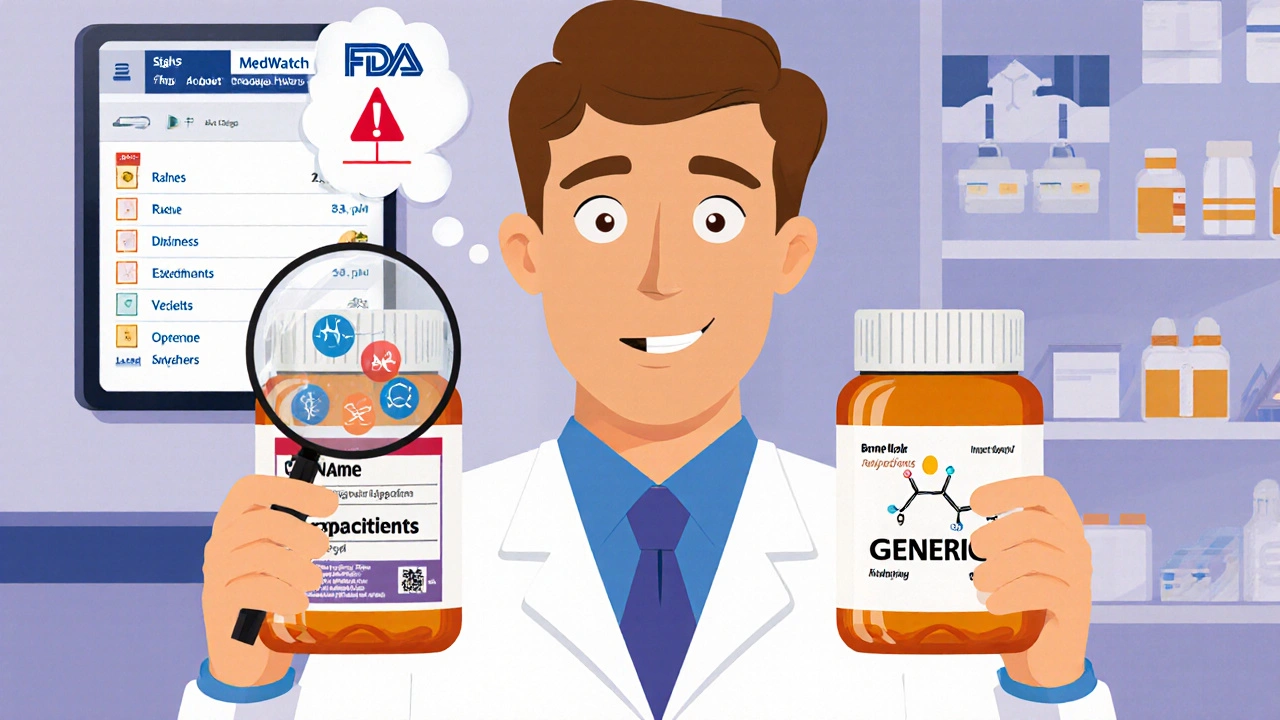
When you pick up a generic medication, a lower-cost version of a brand-name drug that contains the same active ingredient and works the same way in the body. Also known as non-brand drugs, they are approved by health agencies like the FDA and EMA only after proving they deliver the same results as the original. But safety isn’t just about the active ingredient—it’s about how your body absorbs it, how consistent the dose is, and whether it’s safe for high-risk conditions. That’s where bioequivalence, the scientific process that proves a generic drug behaves the same in your body as the brand-name version comes in. Without strict bioequivalence testing, a generic could be too weak, too strong, or cause unexpected side effects—especially with drugs where small changes in blood levels can be dangerous.
Some drugs, like narrow therapeutic index (NTI) drugs, medications with a very small window between a helpful dose and a toxic one, require extra scrutiny. Think blood thinners, seizure meds, or thyroid pills. For these, even a 5% difference in absorption can lead to serious harm. That’s why regulators demand tighter limits on Cmax and AUC, two key measurements that track how fast a drug reaches peak levels and how much your body is exposed to over time. If a generic’s Cmax or AUC falls outside those narrow limits, it doesn’t get approved. This isn’t theory—it’s enforced. And it’s why millions of people safely use generics every day without knowing the science behind it.
But not all generic drugs are created equal in public perception. Some worry about cheaper versions made overseas, or whether online pharmacies are trustworthy. The truth? Most generic drugs sold in the U.S., Canada, and Europe come from the same factories as brand-name drugs—or factories that follow the same strict rules. The real risk isn’t the generic itself. It’s buying from unverified sellers who skip testing, or mixing generics with other meds without checking interactions. That’s why you’ll find posts here on how chemotherapy interacts with supplements, why PDE5 inhibitors can’t be taken with nitrates, and how to spot counterfeit drugs when buying online. These aren’t just technical details—they’re life-saving checks. Whether you’re managing high blood pressure, depression, or a chronic condition, understanding generic medication safety means you’re not just saving money—you’re protecting your health.