Pharmacovigilance: Understanding Drug Safety Monitoring and Real-World Risks
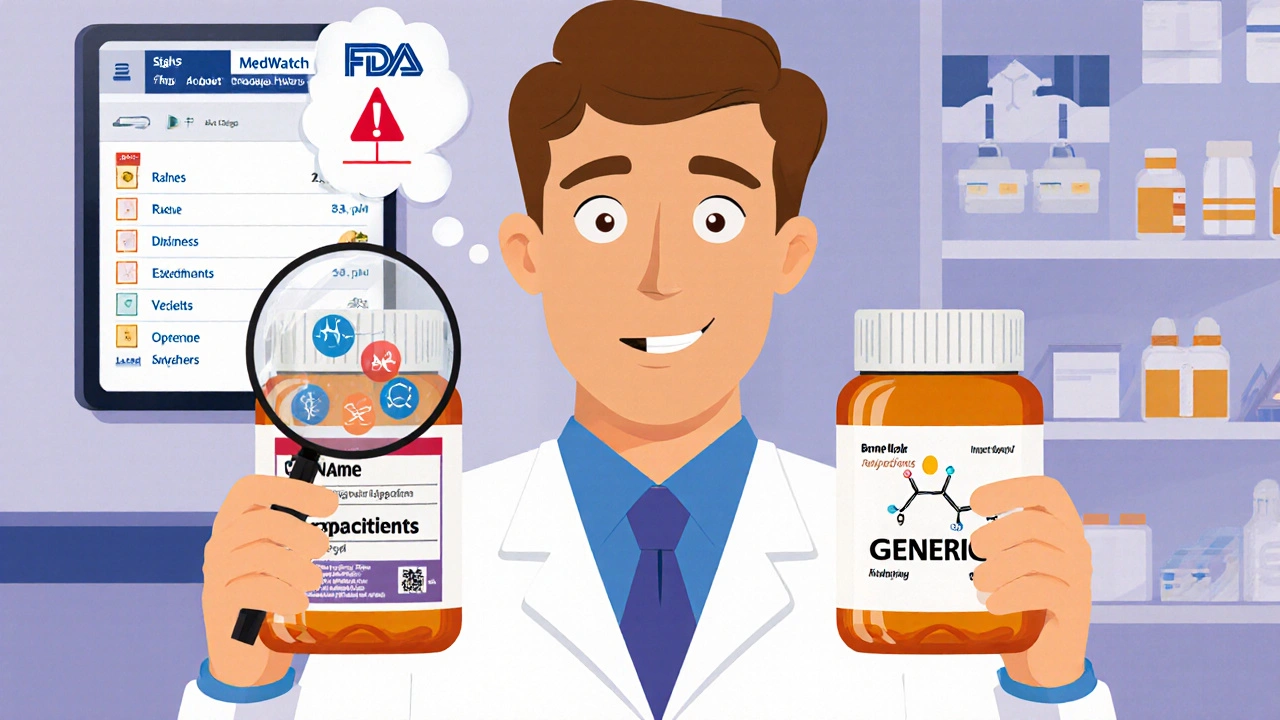
When you take a pill, you trust it will help — not harm. But drugs don’t always behave the same way in real life as they do in clinical trials. That’s where pharmacovigilance, the science and activities related to detecting, assessing, understanding, and preventing adverse effects or any other drug-related problems. Also known as drug safety monitoring, it’s the quiet system working behind the scenes to catch dangers that only show up after thousands of people start using a medicine. Think of it like a smoke alarm for medications — it doesn’t prevent fires, but it alerts you when something’s burning.
Pharmacovigilance doesn’t just watch for rare side effects. It tracks how drugs interact with other meds, how they affect older adults or pregnant women, and whether generic versions behave like the brand-name ones. For example, bioequivalence, the measure proving a generic drug performs the same as the original in the body is a key part of this. If a generic’s peak concentration (Cmax) or total exposure (AUC) drifts too far, it can cause underdosing or overdose — especially with narrow therapeutic index drugs like warfarin or lithium. That’s why agencies like the FDA and EMA require strict bioequivalence testing before approving generics. But even after approval, pharmacovigilance keeps watching. A drug might be safe for most, but cause liver damage in a small group — and that’s exactly what systems like the FDA’s SrLC database are built to find.
It’s not just about new drugs. Even old ones like prednisone or digoxin need ongoing monitoring. Side effects like bone loss, adrenal suppression, or irregular heart rhythms can show up years later. And when patients take multiple medications — say, chemotherapy with supplements or blood thinners with common painkillers — the risks multiply. That’s why pharmacovigilance also looks at adverse drug reactions, harmful and unintended responses to medicines at normal doses. These aren’t just lab reports. They come from doctors, pharmacists, and patients themselves reporting symptoms like unexplained bleeding, rashes, or sudden confusion. Every report adds to the puzzle.
What you’ll find below is a collection of real-world stories and data-driven breakdowns that show how pharmacovigilance works in practice. From boxed warnings on drug labels to how automated dispensing cabinets reduce errors, from chemo interactions to the quiet risks of long-term steroid use — each post ties back to one simple truth: safety doesn’t end when a drug is approved. It’s an ongoing conversation between science, patients, and the system designed to protect them.