
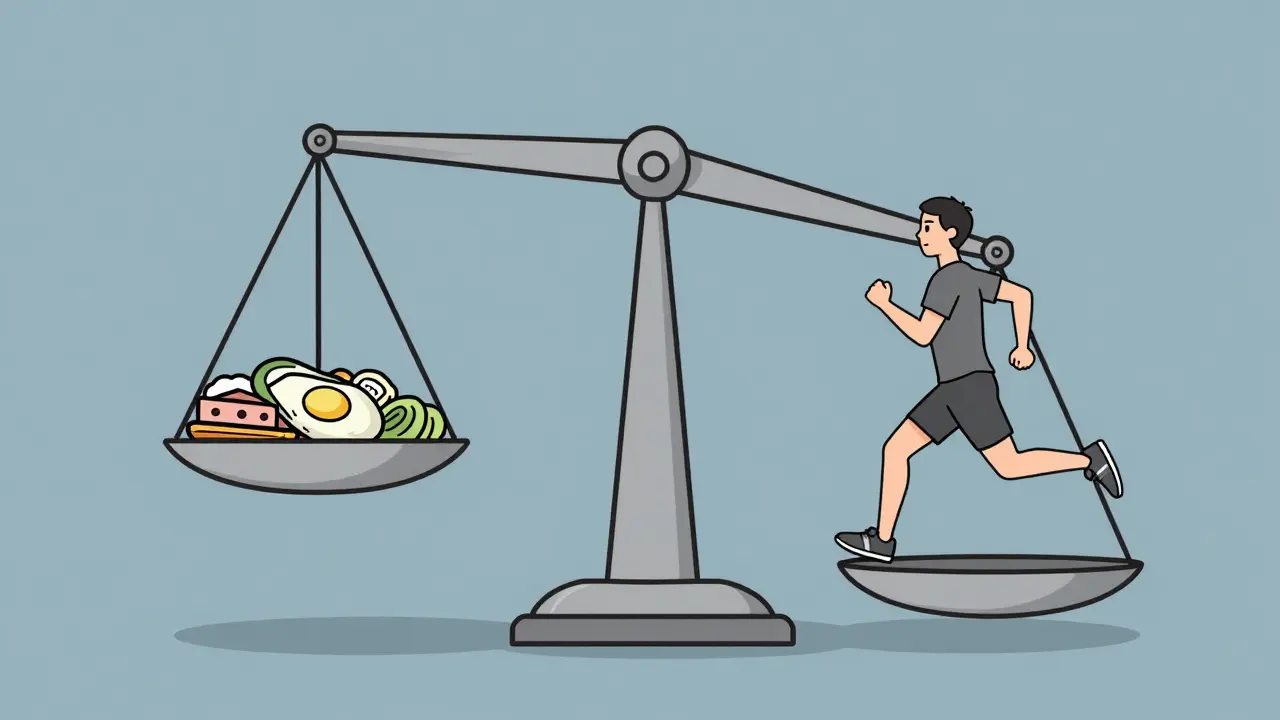
When you hear the term caloric deficit, it means your body burns more calories than you consume. This energy gap is the only scientifically proven way to lose fat. But if it sounds simple, why do so many people hit plateaus after initial success? The truth is, your body fights back. It adjusts your metabolism, hunger, and energy use to protect itself. Understanding this isn't about strict calorie counting-it's about working with your biology.
Why Weight Loss Isn't as Simple as "Eat Less, Move More"
The idea that weight loss is just "calories in, calories out" sounds logical. But real-world data shows it's misleading. A 2018 study in Obesity found that ignoring metabolic changes overestimates weight loss by 50-100% over a year. For example, if you cut 500 calories daily, you'd expect to lose about 1 pound per week (since 3,500 calories roughly equals 1 pound of fat). But in reality, most people lose only 0.5-0.7 pounds weekly. Why? Your body adapts. It lowers your energy expenditure beyond what you'd predict from weight loss alone. This is called metabolic adaptation.
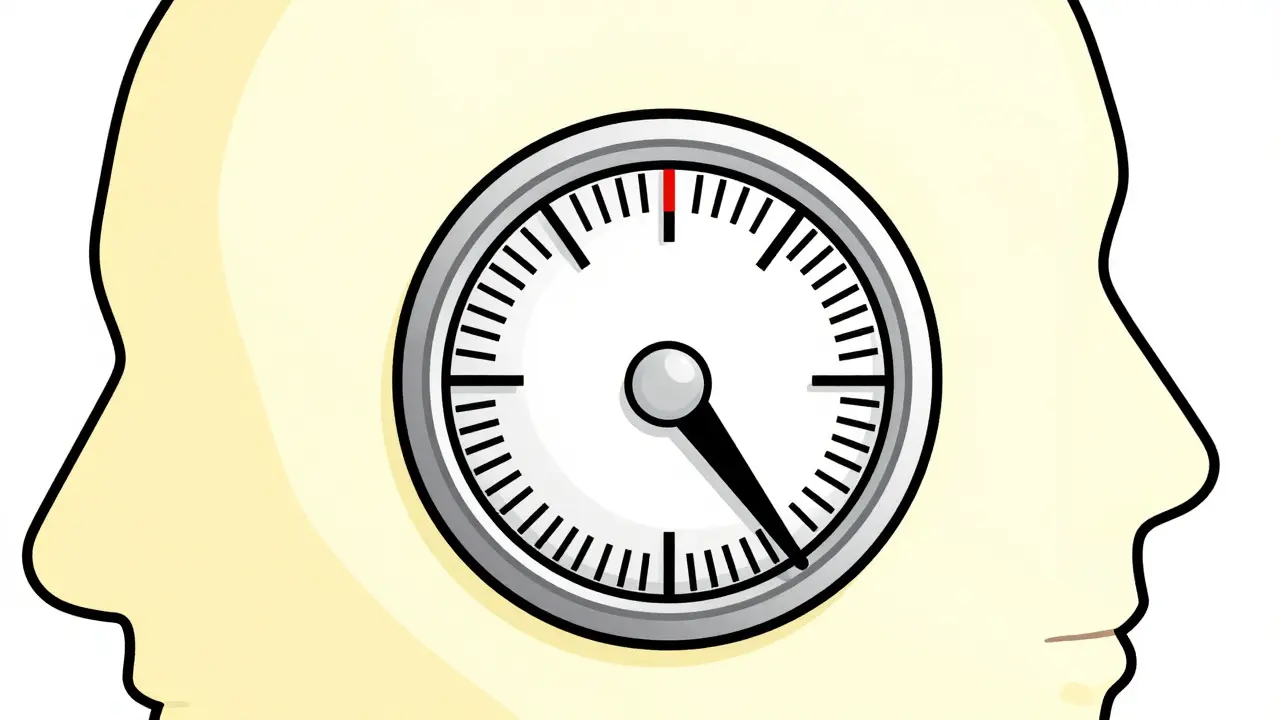
Imagine your metabolism as a thermostat. When you reduce calories, it turns down the heat. Research from the CALERIE trial (2015) shows this adaptation averages 15% more than expected. So if you lose 10 pounds, your body burns 150-200 fewer calories daily than predicted. This isn't laziness-it's survival. Your ancestors needed this to survive famines. Today, it makes weight loss harder than it should be.
How Your Body Adapts in Three Phases
Metabolic adaptation isn't random. It follows a predictable pattern:
| Phase | Duration | What Happens |
|---|---|---|
| Phase 1 | 0-3 days | Acute calorie drop creates immediate deficit. Weight loss is fastest here. |
| Phase 2 | Days to weeks | Your body lowers energy expenditure proportionally to weight loss. Muscle and organ mass changes drive this. |
| Phase 3 | Weeks to months | New energy balance at lower levels. Metabolism slows 15% more than expected from weight loss alone. |
Here's what this means practically. If you start at 2,000 calories daily and drop to 1,500, you might lose 5 pounds in the first two weeks. But by week 8, your body burns 100-150 fewer calories daily than when you began. To keep losing weight, you'd need to cut more calories or move more. Otherwise, progress stalls.
Real People, Real Results (and Plateaus)
Reddit's r/loseit community (2.2 million members) shows consistent patterns. In 2023, 68% of users reported rapid initial weight loss (3-5 pounds weekly), followed by plateaus. The top reason? Underestimating calorie intake. MyFitnessPal data from 1 million users revealed that 76% lost weight in the first month on a 500+ calorie deficit, but only 32% sustained it beyond six months. One user named "FitnessJunkie23" shared: "Lost 20 pounds in 3 months but hit a wall. I had to drop to 1,200 calories to maintain the deficit, which wasn't sustainable."
On the flip side, success stories exist. "SarahM" on Reddit lost 40 pounds over 10 months by combining a moderate 300-500 calorie deficit with resistance training. She reported only 8% metabolic slowdown-far less than average. How? She prioritized protein, tracked food accurately, and took short diet breaks.
What Actually Works for Sustainable Weight Loss
Forget extreme diets. Research shows the sweet spot is a 15-25% calorie deficit below your maintenance level. For most people, that's 250-500 calories daily. Cutting more than 1,000 calories often backfires: it increases muscle loss by 20-30% and spikes hunger hormones like ghrelin. A 2021 meta-analysis in Nutrition Reviews found that protein intake of 1.6-2.2 grams per kilogram of body weight preserves muscle mass during deficits. Example: a 150-pound person needs 110-150 grams of protein daily.
Here's how to implement this:
- Track food accurately: Weigh portions for 2-4 weeks. Studies show people underestimate calories by 25-30% initially.
- Use diet breaks: Every 8-12 weeks, eat at maintenance calories for 1-2 weeks. This resets hunger hormones and metabolic rate.
- Focus on volume: Fill half your plate with non-starchy vegetables. They're low-calorie but high in fiber and water, keeping you full.
- Move strategically: Prioritize strength training 2-3 times weekly. It counters muscle loss and keeps metabolism active.
The body weight planner from the NIH incorporates these adaptations. It predicts weight loss more accurately than simple math. For instance, if you're a 200-pound person with a maintenance of 2,500 calories, it shows a 500-calorie deficit will yield about 0.6 pounds weekly loss-not 1 pound-due to metabolic changes.

Why Most Diets Fail Long-Term
Only 20% of people maintain 10% weight loss for over a year (per NHANES data). Why? Hormonal changes persist. After weight loss, leptin (the "satiety hormone") drops by 50-70%. Ghrelin (the "hunger hormone") rises. This combination makes you feel hungrier and less satisfied. The famous "Biggest Loser" study (2016) found these changes lasted years-even a decade-after weight loss. Your body defends a "set point," making regain likely without ongoing strategy.
But there's hope. The National Weight Control Registry tracks people who've kept off 30+ pounds for 5+ years. Their secret? They maintain a 900-calorie daily deficit through a mix of diet (1,800 calories) and activity (burning 2,700 calories). They also eat high-protein meals, weigh food regularly, and avoid extreme restrictions.
The Future of Weight Management
Science is moving beyond "calorie counting." New research explores personalized approaches. The DIETFITS trial (2023) showed genotype-matched diets improved adherence to caloric deficits by 2.3x. For example, people with certain genetic markers lost more weight on low-carb plans. Continuous glucose monitors (CGMs) like Abbott's Libre 3 are also being tested. Pilot studies found they boost deficit adherence by 23% by showing how foods affect blood sugar and hunger.
Experts like Dr. Yoni Freedhoff argue that reframing "caloric deficit" as "energy balance" improves sustainability. A 2023 Lancet study confirmed this: people educated on energy balance (not just calories) had 37% higher success rates. It's about understanding how food quality, sleep, stress, and movement all interact with your metabolism.
Is a caloric deficit the only way to lose weight?
Yes. All weight loss requires a caloric deficit-consuming fewer calories than you burn. This is confirmed by the first law of thermodynamics and studies from the National Institutes of Health. However, the path to that deficit varies. Intermittent fasting, low-carb diets, or Mediterranean eating all work because they create a deficit, not because of the diet itself. The mechanism is always energy imbalance.
Why do I lose weight quickly at first but then stall?
Initial rapid loss is mostly water weight and glycogen depletion. After 2-4 weeks, your body adapts: metabolism slows 10-15% more than expected from weight loss alone. Hormones like leptin drop, making you hungrier. This is normal. To overcome plateaus, adjust your calorie target downward (5-10%) or increase activity. Diet breaks (eating at maintenance for 1-2 weeks) also help reset your metabolism.
Should I count calories forever?
No. Tracking helps initially to learn portion sizes, but long-term success comes from intuitive eating habits. After 2-4 weeks of weighing food, you'll develop better estimates. Focus on protein-rich meals, high-volume vegetables, and regular movement. The goal is to build sustainable patterns-not constant logging. The National Weight Control Registry shows successful maintainers rarely track calories daily after the first year.
Can exercise alone create a caloric deficit for weight loss?
It's possible but inefficient. Professor Herman Pontzer's "Constrained Energy Expenditure" theory shows total daily energy expenditure plateaus at high activity levels. For example, someone who runs 5 miles daily might burn only 100-200 extra calories-not the expected 500. Most people also compensate by eating more or moving less. Combining diet and exercise works best: diet handles the bulk of the deficit, while exercise preserves muscle and improves health.
How much protein do I need during a caloric deficit?
1.6-2.2 grams per kilogram of body weight. For a 150-pound person (68 kg), that's 110-150 grams daily. Protein preserves muscle mass, keeps you full, and slightly boosts metabolism. Good sources include chicken, fish, eggs, Greek yogurt, lentils, and whey protein. A 2021 meta-analysis in Nutrition Reviews confirmed this range minimizes muscle loss during weight loss.

10 Comments
Paula Sa
Understanding that caloric deficit isn't just about numbers but about working with our biology is key.
The body's adaptive responses like metabolic slowdown aren't failures but survival mechanisms.
This perspective shifts the focus from strict calorie counting to sustainable habits.
For instance, prioritizing protein and taking diet breaks can help mitigate some of the metabolic adaptations.
It's fascinating how evolution shaped our bodies this way.
I've noticed that when I focus on nutrient density rather than just calories, I feel better and maintain progress longer.
The NIH planner makes sense because it accounts for these adaptations.
Maybe instead of fighting our biology, we should work with it.
Long-term success comes from consistency and patience.
This approach feels more humane and realistic.
It's not about perfection but about making small, sustainable changes.
The key takeaway is that weight loss is a complex process influenced by many factors beyond simple math.
Research shows that metabolic adaptation averages 15% more than expected, which means even if you cut calories, your body adjusts.
This is why simply eating less and moving more often fails in the long run.
Instead, we need to consider strategies like diet breaks to reset hunger hormones.
Protein intake is crucial for preserving muscle mass during a deficit.
A 2021 meta-analysis recommends 1.6-2.2g per kg body weight.
Strength training also helps maintain metabolic rate.
It's important to track food accurately but not obsess over it.
Intuitive eating after initial tracking can be sustainable.
The body defends a set point, so gradual changes are better than drastic ones.
Real-world data from r/loseit shows that most people plateau after initial loss.
The key is to adjust expectations and strategies accordingly.
Working with your body instead of against it leads to better outcomes.
This is why personalized approaches are gaining traction in weight management.
Mark Harris
Totally agree! I've been following this approach for 4 months now and it's been a game-changer.
Focusing on protein and doing strength training 3x a week has kept my muscle mass intact.
Taking those diet breaks every 8 weeks really helped me avoid plateaus.
It's not about perfection, just consistency.
Keep at it, you've got this!
Also, using a food scale for a few weeks really helped me get accurate portions.
It's not about counting every calorie forever, just learning the right amounts.
Ritu Singh
From a cultural perspective, different societies approach calorie deficits in various ways.
However, the underlying principle remains the same: energy balance is fundamental.
The scientific evidence presented here is robust, but it's important to consider individual differences.
For instance, in some cultures, traditional diets naturally incorporate high-protein foods and vegetables, which align well with sustainable weight loss strategies.
It's crucial to adapt these principles to cultural contexts rather than imposing one-size-fits-all solutions.
Sustainable weight management requires a holistic approach that respects personal and cultural backgrounds while adhering to scientific principles.
The National Weight Control Registry shows that successful maintainers often integrate cultural practices into their routines.
For example, in Asian cultures, rice-based meals with vegetables and lean proteins can be part of a balanced deficit.
The key is to find what works within one's cultural framework without compromising nutritional needs.
Research indicates that metabolic adaptation varies among individuals, which is why personalized strategies are effective.
Cultural factors like meal timing, food preferences, and social eating habits play a role in adherence.
For example, intermittent fasting may work well in some cultures but not others.
It's important to tailor approaches to fit cultural norms while maintaining the core principle of a caloric deficit.
The DIETFITS trial showed genotype-matched diets improved adherence, highlighting the need for personalized nutrition.
Sustainable weight loss isn't one-size-fits-all; it requires understanding both biology and culture.
This holistic view helps in creating realistic and maintainable plans for diverse populations.
Savannah Edwards
Thank you for sharing that cultural perspective; it really resonates with me.
I've seen how different communities approach food and weight loss in unique ways.
For instance, in my own experience growing up in a Mediterranean household, meals were centered around fresh vegetables, olive oil, and lean proteins, which naturally created a sustainable deficit without strict counting.
The key was the balance of nutrients and the social aspect of eating together.
It's fascinating how cultural traditions can support healthy habits without feeling restrictive.
However, it's also important to recognize that not everyone has access to those foods or traditions, which is why inclusivity in nutrition advice is so crucial.
I remember reading about how some cultures use fermentation or specific cooking methods that enhance nutrient absorption, which might help with satiety.
The idea of 'food as culture' is so important because it shifts the focus from deprivation to enjoyment.
In my opinion, the most successful weight loss strategies are those that respect cultural backgrounds while incorporating evidence-based practices.
For example, in some Latin American cultures, beans and rice provide a high-protein, fiber-rich meal that keeps you full.
Understanding these nuances helps in creating plans that people can stick to long-term.
I've also noticed that community support plays a huge role-whether it's family meals or local cooking groups, having that social aspect makes the journey easier.
The more we acknowledge and celebrate diverse food traditions, the more effective our approach to weight loss becomes.
It's all about finding harmony between science and culture, not forcing one to conform to the other.
This inclusive mindset is what makes sustainable weight loss possible for everyone.
Natasha Bhala
totally agree! cultural food traditions really do make a difference.
like in my family we always had veggies and lean meats which kept us full without overeating.
its not about being perfect just consistent.
keep going u're doing great!
also, taking short breaks from dieting helped me stay motivated.
small changes add up over time. 💯
Joey Gianvincenzi
The assertion that caloric deficit is the sole mechanism for weight loss is scientifically accurate but oversimplified.
While the first law of thermodynamics holds true, the practical application is fraught with complexities that require rigorous methodology.
Ignoring metabolic adaptations and hormonal responses leads to flawed conclusions.
It is imperative to consider individual variability in response to dietary interventions.
Furthermore, the reliance on self-reported data from platforms like MyFitnessPal introduces significant inaccuracies.
For instance, studies have shown that users underestimate calorie intake by up to 30%, which undermines the validity of such data.
Additionally, the National Weight Control Registry emphasizes the importance of consistent behavioral patterns rather than short-term calorie restriction.
Therefore, a more nuanced understanding is necessary to effectively address weight management challenges.
It is also critical to recognize that cultural and socioeconomic factors significantly influence dietary adherence and metabolic responses.
Without addressing these broader contexts, any intervention is likely to fail.
Eric Knobelspiesse
hey, i agree with some points but ur being a bit too harsh.
sure, self-reported data can be off, but most people do their best.
the key is to use it as a tool, not a gospel.
also, metabolic adaptations are real but they're not the end of the world.
its about adjusting, not giving up.
i think the article does a good job explaining this.
maybe focus on solutions rather than just pointing out flaws.
also, typo: 'flawed conclusions' should be 'flawed conclusions'-wait, no, that's right.
my bad.
anyway, keep it real!
Mayank Dobhal
Calories in, calories out. Simple.
Heather Burrows
Ugh, another 'calories in, calories out' argument.
It's so simplistic.
But I guess some people just don't want to think deeper.
Marcus Jackson
Calories in, calories out is the foundation, but the details matter.
You're oversimplifying.