Allergen Reduction: Practical Ways to Lower Exposure and Improve Daily Life
When you live with allergies, it’s not just about taking medicine—it’s about controlling what’s around you. allergen reduction, the process of minimizing contact with substances that trigger allergic reactions. Also known as allergen avoidance, it’s one of the most effective, drug-free ways to feel better day to day. Whether it’s pollen in spring, dust mites in your bedding, or pet dander clinging to your couch, these invisible triggers are everywhere. And while medications help manage symptoms, reducing exposure at the source stops the problem before it starts.
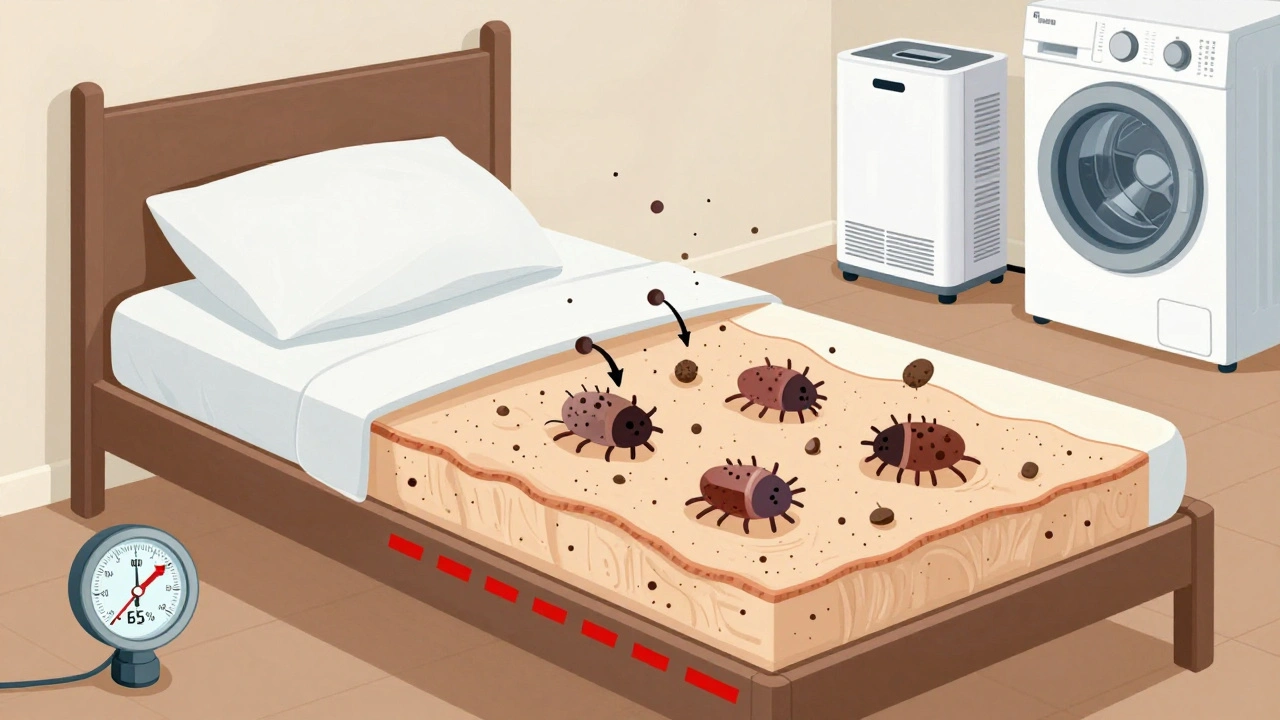
Many people don’t realize how much their home environment contributes to their allergies. dust mites, microscopic creatures that live in bedding, carpets, and upholstered furniture feed on dead skin cells and produce waste that triggers sneezing, itching, and asthma. indoor air quality, how clean the air inside your home is matters just as much as outdoor pollen counts. Simple changes—like using HEPA filters, washing bedding in hot water weekly, or keeping pets out of bedrooms—can cut allergen levels by half or more. And it’s not just about cleaning. Humidity control, sealing cracks where pollen enters, and choosing non-carpeted floors all play a role.
Even something as small as a stuffed animal or a curtain can hold onto allergens for months. You don’t need to overhaul your life, but you do need to be smart about what stays in your space. People with asthma or eczema often see the biggest improvements when they focus on allergen reduction first. It’s not magic—it’s physics and biology. Allergens can’t trigger reactions if they’re not there. And unlike pills, these changes don’t come with side effects.
Below, you’ll find real-world advice from posts that dig into how medications, diet, and environmental factors connect to your allergic responses. Some show how pharmacogenetic testing helps predict drug reactions to allergy meds. Others explain how liver health affects how your body processes irritants. You’ll see how ergonomic setups reduce stress on your body, which can make allergy symptoms worse. And yes, there’s even a post about allantoin in skincare—because irritated skin from allergies needs gentle care too. This isn’t just a list of articles. It’s a toolkit. You’ll find what works, what doesn’t, and what’s backed by real evidence—not guesses.