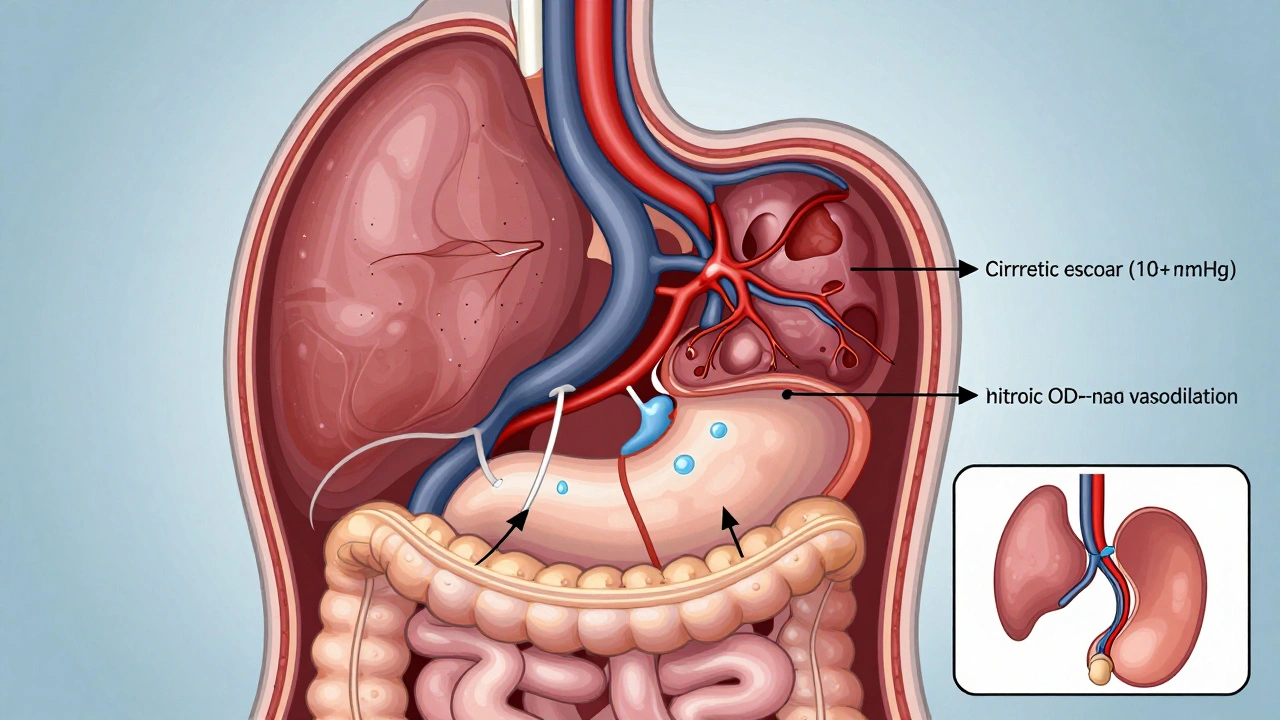
Ascites: Causes, Treatments, and What You Need to Know
When fluid builds up in the belly, it’s called ascites, an abnormal accumulation of fluid in the abdominal cavity, often signaling serious underlying health issues. Also known as abdominal effusion, it’s not a disease on its own—it’s a symptom, usually pointing to something deeper like liver disease, especially cirrhosis.
Most cases of ascites happen because the liver can’t function properly. When it’s damaged, it stops making enough protein, and pressure builds in the veins around it. That forces fluid out into the belly. About 50% of people with cirrhosis will develop ascites within 10 years. It’s also tied to heart failure, kidney problems, and sometimes cancer. If you’ve noticed your belly swelling, feeling tight, or gaining weight fast without eating more, it’s worth checking. Ascites doesn’t just make you uncomfortable—it can lead to infection, breathing trouble, or kidney damage if ignored.
Doctors usually start with a simple ultrasound to confirm fluid is there. Then they test the fluid itself to find out why it’s building up. Treatment focuses on the root cause. For liver-related ascites, cutting salt is step one—most people need under 2,000 mg a day. Diuretics like spironolactone and furosemide help flush out the extra fluid. In severe cases, doctors may drain the fluid directly with a needle, a procedure called paracentesis. But draining alone doesn’t fix the problem. Without treating the liver or other condition behind it, the fluid comes back.
What’s clear from the research and real-world cases is that ascites doesn’t appear out of nowhere. It’s the end result of long-term stress on the body—whether from alcohol, hepatitis, or high blood pressure in the liver. That’s why prevention matters more than cure. Managing liver health through diet, avoiding alcohol, and catching early signs of liver damage can stop ascites before it starts. Even if you’re already dealing with it, small changes like tracking your weight daily, avoiding salty snacks, and taking meds as prescribed can make a big difference.
Below, you’ll find real-world advice and evidence-based insights from posts that cover related topics like diuretics for fluid retention, liver-healthy diets, and how medications like furosemide work. These aren’t just theory—they’re what people are using to manage symptoms, avoid hospital visits, and live better with chronic conditions. What you’ll see here is practical, tested, and focused on what actually works when your body holds onto too much fluid.