Boxed Warning: What It Means and Why It Matters for Your Medications
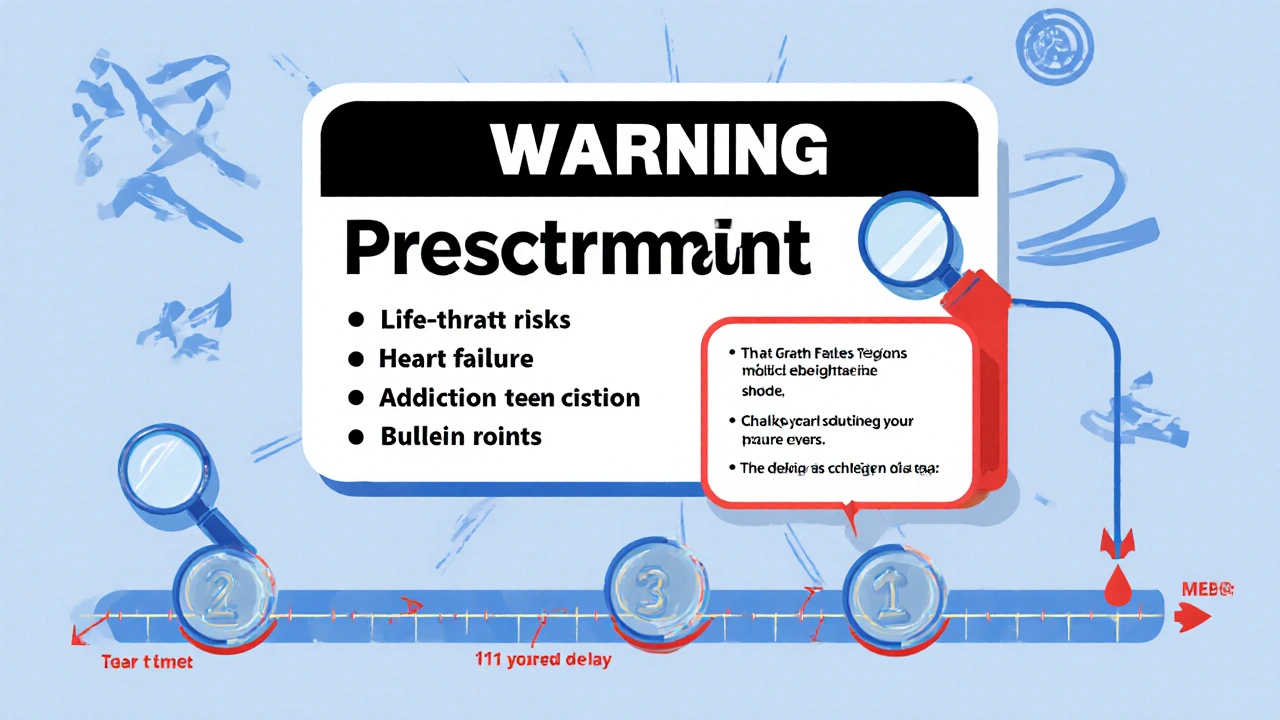
When a drug comes with a boxed warning, the most serious safety alert the U.S. Food and Drug Administration can issue for a prescription medication. Also known as a black box warning, it’s printed in a bold, bordered box on the drug’s label to grab immediate attention. This isn’t just a caution—it’s a red flag that the drug can cause serious harm, even death, under certain conditions. If you’re taking any prescription medicine, you need to know what this means for you.
Boxed warnings don’t appear on every drug. They’re reserved for medications where the risk is real and well-documented. For example, chemotherapy drugs, powerful cancer treatments that can interact dangerously with other medications or foods often carry these warnings because they’re toxic by design. blood thinners, medications that prevent clots but can cause life-threatening bleeding are another common group. Even common drugs like corticosteroids, anti-inflammatory pills that can weaken bones and shut down your adrenal glands over time have them. These aren’t theoretical risks—they’re based on real cases, hospitalizations, and deaths reported to the FDA.
What does a boxed warning actually say? It might warn about liver failure, suicidal thoughts, heart rhythm problems, or fatal interactions. Take PDE5 inhibitors, erectile dysfunction drugs like Viagra or Cialis—they carry a boxed warning because mixing them with heart medications called nitrates can drop your blood pressure to deadly levels. Or look at methotrexate, a drug used for autoimmune diseases and cancer that becomes far more dangerous when combined with alcohol. The warning isn’t there to scare you—it’s there so you and your doctor can avoid these traps.
You won’t always see the boxed warning unless you read the full prescribing information. But if your pharmacist hands you a new prescription and says, "This one has a serious warning," don’t brush it off. Ask: What exactly is the risk? What should I watch for? What drugs or foods should I avoid? Many people ignore these warnings because they feel fine—until something goes wrong. The truth is, most of the time, the risk is avoidable if you know what to look for.
Below, you’ll find real-world examples of how boxed warnings affect people every day. From chemotherapy interactions to blood thinner emergencies, these aren’t abstract risks—they’re lived experiences. Whether you’re managing a chronic condition or just started a new medication, this collection gives you the facts you need to stay safe—without the jargon.