Brand Name Drugs: What They Are, Why They Cost More, and What You Need to Know
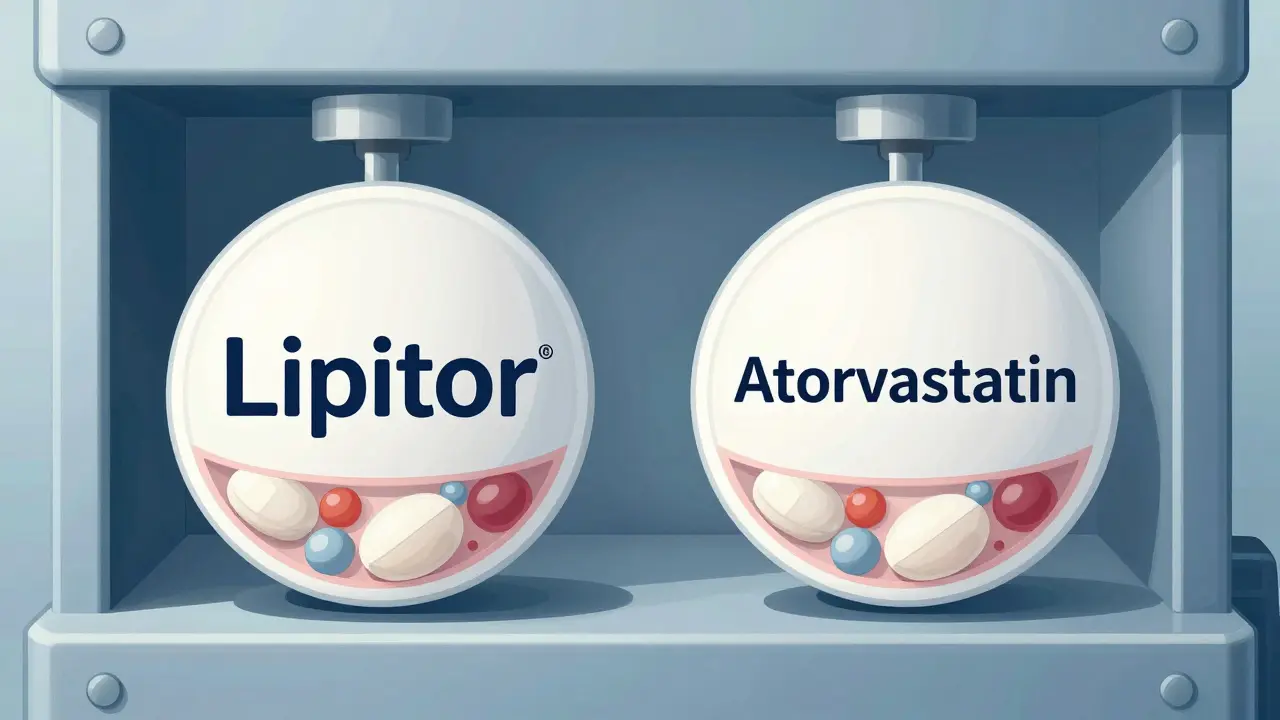
When you hear brand name drugs, the original versions of medications developed and marketed by pharmaceutical companies under a patent-protected name. Also known as originator drugs, they’re the first to hit the market after years of research and clinical trials. These are the pills you see advertised on TV — the ones with catchy names like Lipitor, Viagra, or Prozac. But behind the marketing is a system that affects your wallet, your health, and how safely medicines work for you.
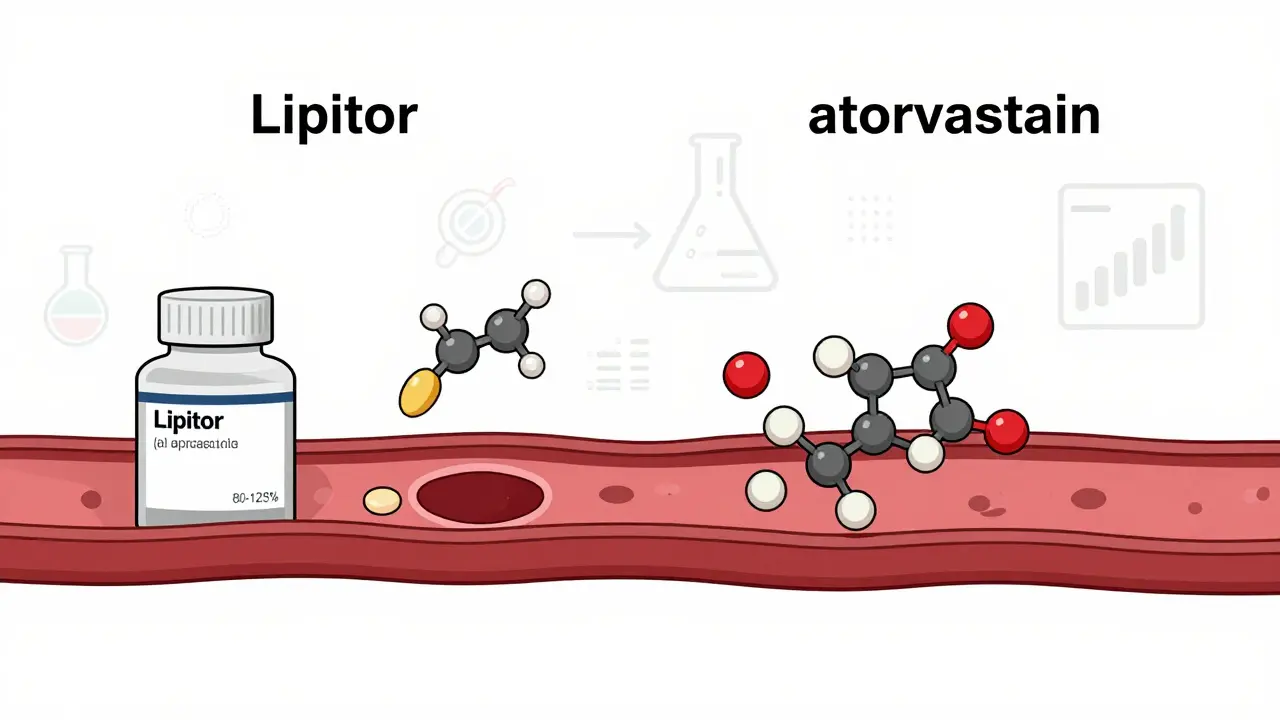
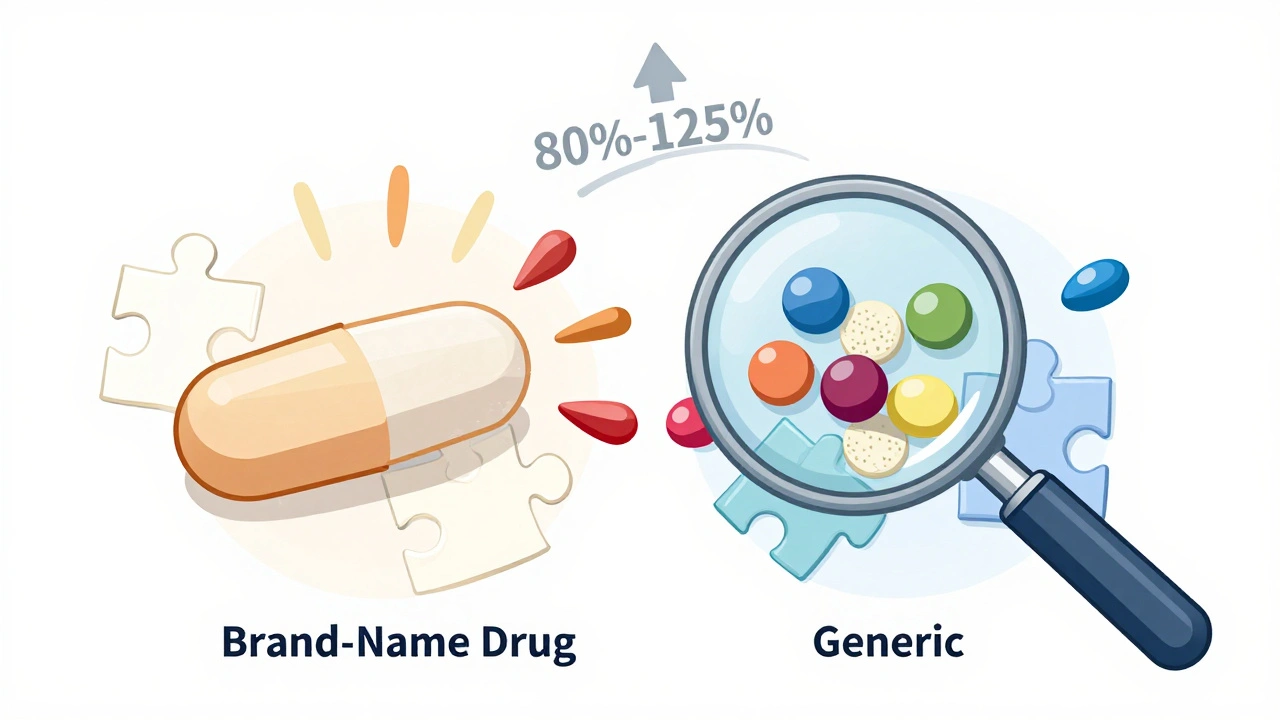
What makes a brand name drug, the original version of a medication developed under patent protection. Also known as originator drug, it is the first version of a medicine to be approved and marketed. different from a generic? It’s not the active ingredient — that’s the same. It’s the process. Brand name drugs go through expensive clinical trials to prove they work and are safe. Once the patent runs out, other companies can make copies. But those copies — generic drugs, medications that contain the same active ingredient as a brand name drug but are sold under a different name after the patent expires. Also known as nonproprietary drugs, they are chemically identical but often cost a fraction of the price. — must still pass strict tests. The FDA, EMA, and Health Canada require them to match the brand name in how the body absorbs the drug. That’s measured by bioequivalence, the process of proving a generic drug performs the same way in the body as the brand name version. Also known as pharmacokinetic equivalence, it ensures that peak levels (Cmax) and total exposure (AUC) stay within tight limits. If they don’t, they don’t get approved. That’s why you can trust a generic for most drugs — but not for all. For narrow therapeutic index drugs, medications where small differences in blood levels can cause serious side effects or treatment failure. Also known as NTI drugs, they include blood thinners, seizure meds, and thyroid pills., the rules are even tighter. A tiny difference in absorption can mean the difference between safety and danger.
So why do brand name drugs cost so much? Because the company paid for the research, the trials, the marketing, and the patent protection. They need to recoup that money before generics arrive. Once generics hit, prices drop — sometimes by 80% or more. But that doesn’t mean brand name drugs are better. They’re just the first version. Many people switch to generics without even noticing a difference. Others stick with brand names out of habit, fear, or because their doctor recommends it. But you should know: for most people, generics are just as safe and effective. The real issue isn’t the name on the bottle — it’s whether the drug works for you, and whether you can afford it.
What you’ll find below are real, practical guides on how brand name drugs relate to generics, how safety is tested, why some drugs can’t be swapped easily, and how to make smarter choices when your prescription comes in. Whether you’re paying out of pocket, dealing with insurance, or just trying to understand why your doctor chose one drug over another — these posts cut through the noise and give you the facts you need.