Cancer Treatment: What Works, What to Avoid, and How to Stay Safe
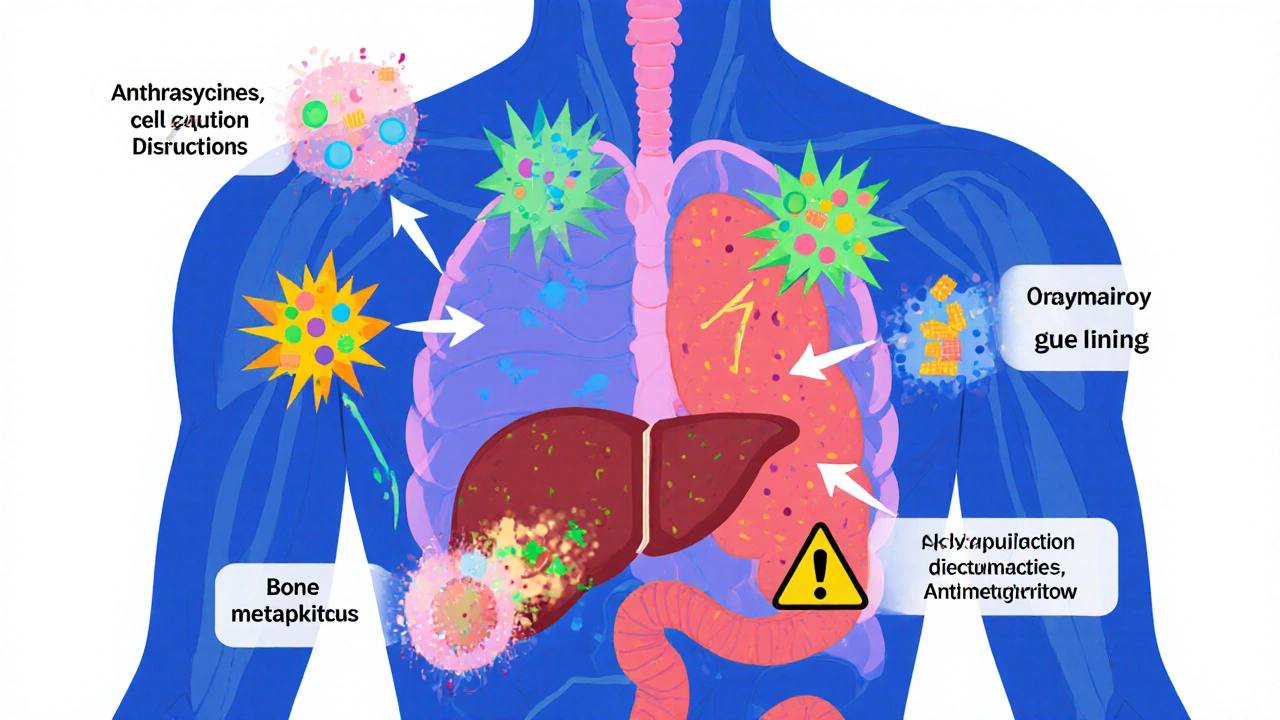
When you hear cancer treatment, the medical approaches used to destroy or control cancer cells, including chemotherapy, radiation, surgery, and newer targeted therapies. Also known as oncology care, it’s not just about killing tumors—it’s about keeping your body strong enough to handle the fight. Every person’s journey is different, but one thing stays the same: the medications you take can clash with everyday things like supplements, food, or even over-the-counter painkillers. A simple grapefruit or a common herbal remedy could make your chemo less effective—or more dangerous.
That’s why chemotherapy, a class of drugs designed to kill rapidly dividing cancer cells, often used in combination. Also known as chemo, it’s the backbone of many cancer treatment plans isn’t just about dosage. It’s about timing, diet, and what else is in your system. For example, some chemo drugs react badly with St. John’s Wort, certain antibiotics, or even antacids. And it’s not just chemo—newer treatments like targeted therapy, drugs that attack specific molecules involved in cancer growth, often with fewer side effects than traditional chemo still need careful management. One wrong interaction can mean the difference between a treatment working and your body shutting down.
You might think if a drug is prescribed, it’s safe to mix with anything else. But cancer patients are especially vulnerable. Studies show nearly 60% of people on chemo take supplements without telling their doctor. Many assume natural means safe—but that’s not true. Turmeric, green tea extract, vitamin C in high doses—they all have the potential to interfere. And it’s not just about what you take. What you eat matters too. Grapefruit, for instance, can boost chemo levels to toxic ranges. Your body is already under stress. Adding unpredictable variables is risky.
There’s also the issue of tracking changes. Drug labels get updated. Warnings get added. What was considered safe last year might carry a black box warning now. That’s why staying informed isn’t optional—it’s part of your treatment plan. You don’t need to be a scientist, but you do need to ask questions. What side effects should I watch for? Could this new pill I bought at the store affect my chemo? Is there a safer alternative?
The posts below cover real cases, real risks, and real solutions. You’ll find guides on how chemotherapy interacts with common supplements, why some drugs can’t be mixed with alcohol or blood thinners, and how to spot dangerous changes in your medication labels. You’ll also learn about newer approaches like targeted therapy and how they fit into modern care. This isn’t theory. These are the exact topics doctors and patients are dealing with right now. Whether you’re starting treatment, managing side effects, or helping someone who is, the information here is practical, current, and meant to help you make smarter choices—without the jargon.