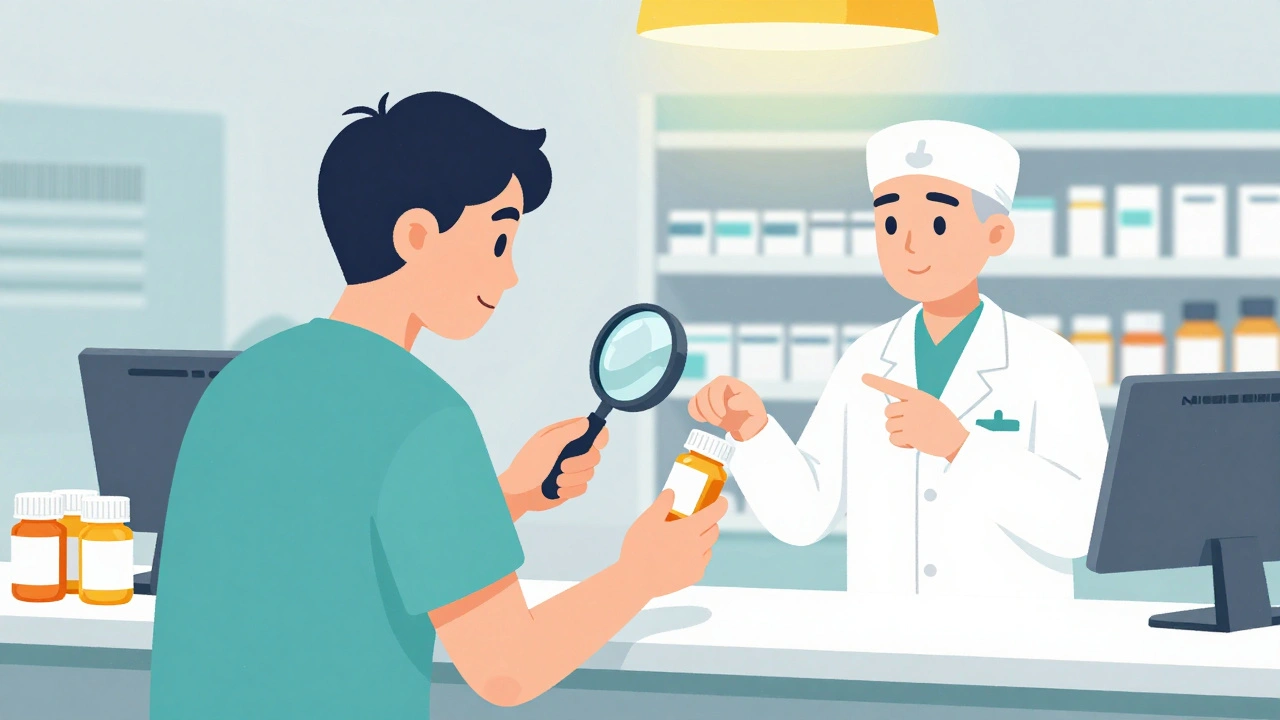
Check Prescription: What You Need to Know About Safe Medication Use
When you check prescription details, you're not just verifying a doctor's note—you're protecting your body from hidden risks. A prescription isn't just a ticket to get medicine; it's a plan that depends on your genes, your other meds, and even your diet. Prescription safety, the practice of verifying that a medication is appropriate, correctly dosed, and free from dangerous interactions. Also known as medication review, it's the quiet step most people skip until something goes wrong. Many think generics are just cheaper versions of brand names, but that’s not the full story. Some generics, especially for drugs with a narrow therapeutic index, medications where small changes in dose can cause serious harm or reduced effectiveness, need stricter checks than others. If you're on blood thinners, seizure meds, or thyroid drugs, even tiny differences in how your body absorbs the pill can be dangerous.
That’s why bioequivalence, the scientific process that proves a generic drug performs the same way in your body as the brand version matters. It’s not just about cost—it’s about whether your body gets the exact right amount of drug, every time. Studies like PREPARE show that pharmacogenetic testing, a blood or saliva test that reveals how your genes affect how you process drugs can prevent up to 40% of adverse reactions before they happen. If your doctor hasn’t mentioned this, ask. Your genes don’t lie. And if you’ve ever had an unexpected side effect from a generic, you’re not alone. Fillers, manufacturing shifts, and individual metabolism all play a role. Even something as simple as switching from one generic brand to another can trigger a reaction if your body is sensitive.
When you check your prescription, you’re also checking for hidden traps. Are you on a PDE5 inhibitor like Cialis and also taking nitrate meds? That combo can drop your blood pressure to dangerous levels. Are you on chemo and popping turmeric supplements? That could mess with your treatment. These aren’t rare edge cases—they show up in real clinics every day. The posts below cover exactly these situations: how to spot when a generic might not be safe for you, how to read a drug label for hidden warnings, and how to talk to your pharmacist about bioequivalence without sounding like you’re questioning their judgment. You’ll find real examples—like what to do if your Lamictal starts causing rashes, or why your prednisone side effects changed after a refill. This isn’t theory. It’s what people actually deal with when they try to stay safe in a system that rarely explains the risks.