Chemotherapy: What It Is, How It Works, and What You Need to Know
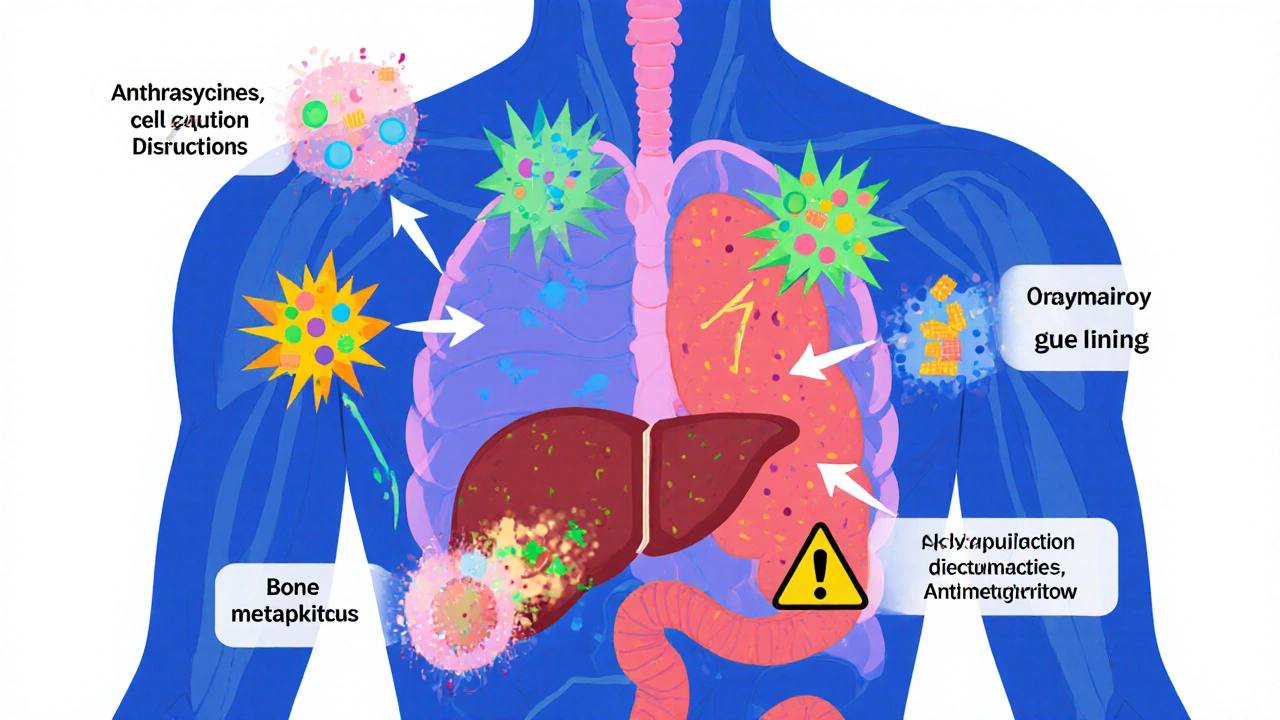
When you hear the word chemotherapy, a type of cancer treatment that uses drugs to kill or slow the growth of cancer cells. Also known as chemo, it’s one of the most common ways doctors fight cancer — but it’s not simple. It doesn’t just target bad cells. It hits healthy ones too, which is why side effects like fatigue, nausea, and hair loss happen.
Chemotherapy doesn’t work the same for everyone. The drugs used depend on the type of cancer, how far it’s spread, and your overall health. Some are given as pills, others through IV. And they don’t act alone. Many patients take other meds — for pain, nausea, or even supplements — which can clash dangerously with chemo. For example, chemotherapy drug interactions, when chemo reacts badly with other substances like grapefruit, herbal teas, or common vitamins can cause serious harm. Even something as simple as taking St. John’s Wort or high-dose vitamin C can interfere with how your body processes the drugs. That’s why knowing what to avoid is just as important as knowing what to take.
It’s not just about the drugs themselves. Your body’s response matters too. Some people feel fine for weeks, then crash suddenly. Others deal with side effects from day one. That’s why tracking symptoms, staying in touch with your care team, and asking about cancer medication safety, the practices and precautions that reduce risks during chemotherapy treatment is critical. Many patients don’t realize that over-the-counter painkillers, antacids, or even certain foods can change how chemo works. Grapefruit, for instance, can make some chemo drugs too strong — leading to toxic levels in your blood. Others might make the drugs less effective. And if you’re taking supplements, you need to tell your oncologist — even if you think they’re "natural" and harmless.
There’s also the emotional side. Chemo isn’t just a physical battle. It changes routines, relationships, and how you see yourself. That’s why so many people look for ways to feel more in control — whether it’s through diet, exercise, or alternative therapies. But not all advice is safe. Some "miracle cures" or unregulated supplements can interfere with treatment or even make cancer grow faster. That’s why the best approach is to stick with evidence-based guidance and talk openly with your doctor about everything you’re using.
Below, you’ll find real, practical articles written for people going through this. From how to spot dangerous interactions between chemo and supplements, to what foods to avoid, to how to manage side effects without risking your treatment — these posts cut through the noise. No fluff. No hype. Just what you need to know to stay safe and informed.