Chemotherapy Side Effects: What to Expect and How to Manage Them
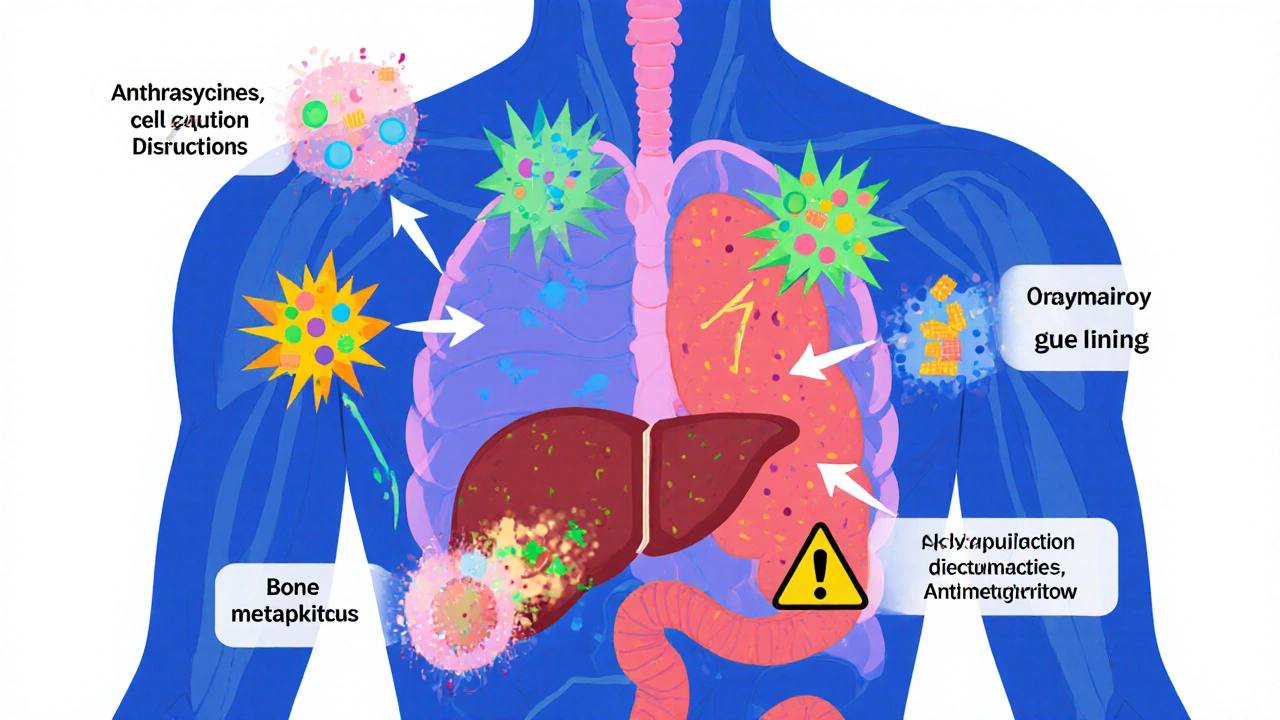
When you’re undergoing chemotherapy, a type of cancer treatment that uses drugs to kill fast-growing cells. Also known as chemo, it’s one of the most common ways to treat cancer—but it doesn’t just target cancer cells. It affects healthy ones too, which is why side effects happen. Not everyone gets the same side effects, and not everyone gets them badly. Some people feel fine for weeks, while others struggle with fatigue, nausea, or hair loss from day one. It depends on the drug, the dose, your age, your overall health, and even your genetics.
One of the most common issues is nausea, a feeling of sickness that often comes with vomiting. It’s not always immediate—some drugs cause nausea hours or even days after treatment. But today’s anti-nausea meds are much better than they used to be. If one doesn’t work, your doctor can try another. Another big one is fatigue, extreme tiredness that doesn’t go away with rest. This isn’t just being sleepy. It’s like your body’s battery is drained, and no amount of coffee fixes it. Many patients say it’s the hardest part of chemo, not the hair loss or the pain.
Chemotherapy also lowers your white blood cell count, which makes you more likely to get infections. A simple cold can turn serious fast. That’s why doctors check your blood often and may give you shots to boost your immune system. Some drugs cause mouth sores, numb hands or feet, or even changes in taste—like everything tasting metallic. And yes, hair loss happens, but not with every chemo drug. Some people keep all their hair. Others lose it in days. It’s unpredictable, but it usually grows back after treatment ends.
You’ll also hear about chemotherapy drug interactions, when chemo reacts badly with other meds, supplements, or even food. Grapefruit, for example, can make some chemo drugs too strong. Certain herbal supplements can interfere with how your body processes the drugs. That’s why it’s so important to tell your oncologist everything you’re taking—even if you think it’s harmless. A vitamin D pill or turmeric capsule might seem safe, but in chemo, nothing is too small to check.
There’s no magic way to avoid all side effects, but there are ways to manage them. Eating small meals, staying hydrated, wearing soft fabrics, using gentle skin care, and pacing yourself can make a real difference. Some people find acupuncture helps with nausea. Others use cold caps to keep their hair. And if you’re feeling overwhelmed, talking to a counselor or joining a patient group can help more than you’d expect.
What you’ll find in the posts below isn’t just a list of symptoms. It’s real, practical advice from people who’ve been through it—and doctors who know what works. You’ll see how chemo affects the body differently depending on the drug, how to spot warning signs that need urgent care, and what to do when side effects hit hard. You’ll also learn about the hidden risks, like how some chemo drugs can interact with common painkillers or supplements you didn’t think mattered. This isn’t theory. It’s what patients need to know to stay safe and keep going.