Humidity Control: How Moisture Levels Affect Medication, Health, and Drug Storage
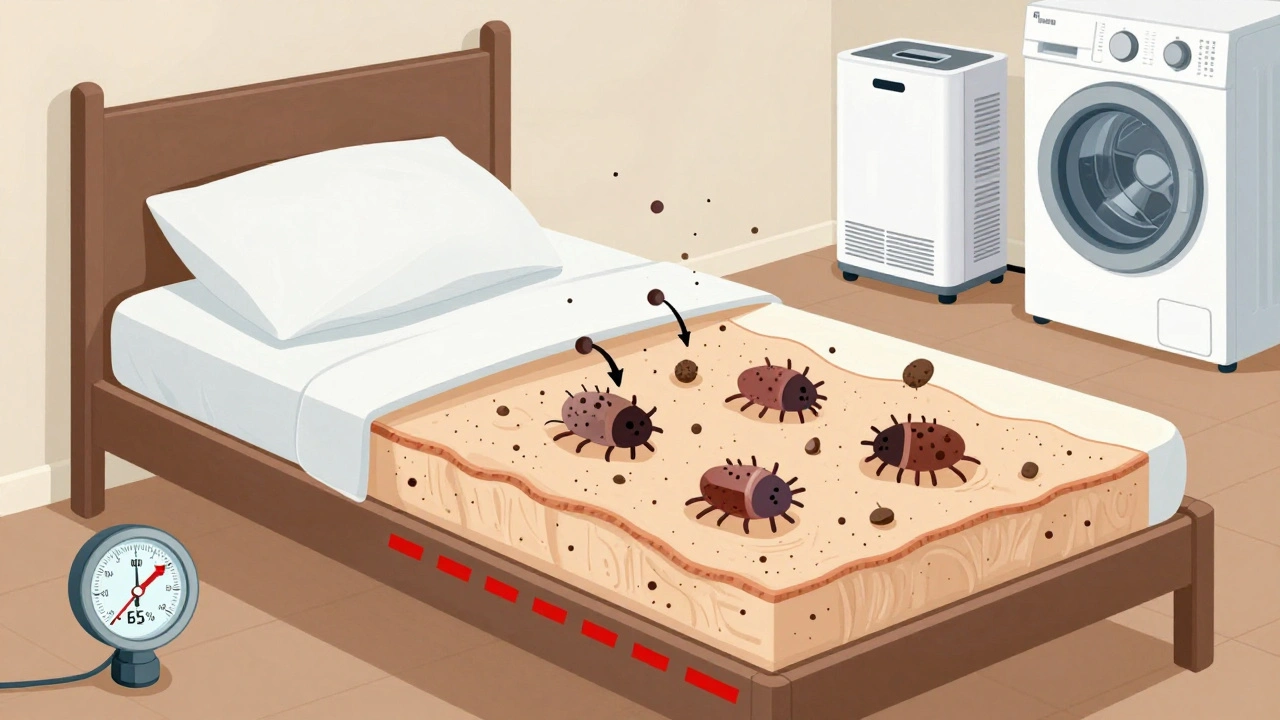
When we talk about humidity control, the management of moisture levels in indoor environments to protect health and materials. Also known as moisture regulation, it's not just about preventing mold or making your home feel nicer—it's a critical factor in how medicines behave, store, and work in your body. Too much moisture can turn pills into mush, make inhalers clog, or cause liquid medications to break down faster than they should. Too little can make some tablets crack or lose their coating. The difference between a drug working right and failing completely often comes down to something as simple as the air around it.
Drug storage, the proper conditions required to maintain pharmaceutical potency and safety over time is regulated for a reason. The FDA, EMA, and other agencies require specific humidity ranges—usually between 30% and 60%—for most medications because that’s where chemical stability peaks. Think about your insulin, your asthma inhaler, or even your generic blood pressure pill. If you store them in a damp bathroom or a hot attic, you’re not just risking their effectiveness—you’re risking your health. Medication stability, the ability of a drug to maintain its chemical structure and potency under environmental stress isn’t something you can see, but it’s what keeps your treatment working day after day. That’s why pharmacists and clinics use hygrometers, sealed containers, and climate-controlled cabinets. It’s not overkill—it’s science.
And it’s not just about pills. Environmental factors, external conditions like temperature, light, and humidity that influence drug performance and patient outcomes also affect how your body absorbs medication. High humidity can worsen joint pain, trigger asthma attacks, or make chronic conditions like IBS flare up. That’s why some of the posts here connect humidity to digestive health, liver function, and even how your body reacts to chemo. If your environment is unstable, your body’s response to treatment can be too. This isn’t guesswork—it’s backed by studies on drug degradation, patient symptom tracking, and real-world pharmacy failures.
So when you think about humidity control, don’t just think of dehumidifiers in the basement. Think about your medicine cabinet. Think about how your pills are shipped, stored in pharmacies, or kept in a clinic. Think about how moisture might be quietly sabotaging your treatment. The posts below cover everything from how generic drugs are tested under controlled conditions, to why bioequivalence matters when humidity changes, to how pharmacists spot when a medication has been compromised by the environment. You’ll find real examples of what happens when humidity isn’t managed—and what you can do to protect yourself.