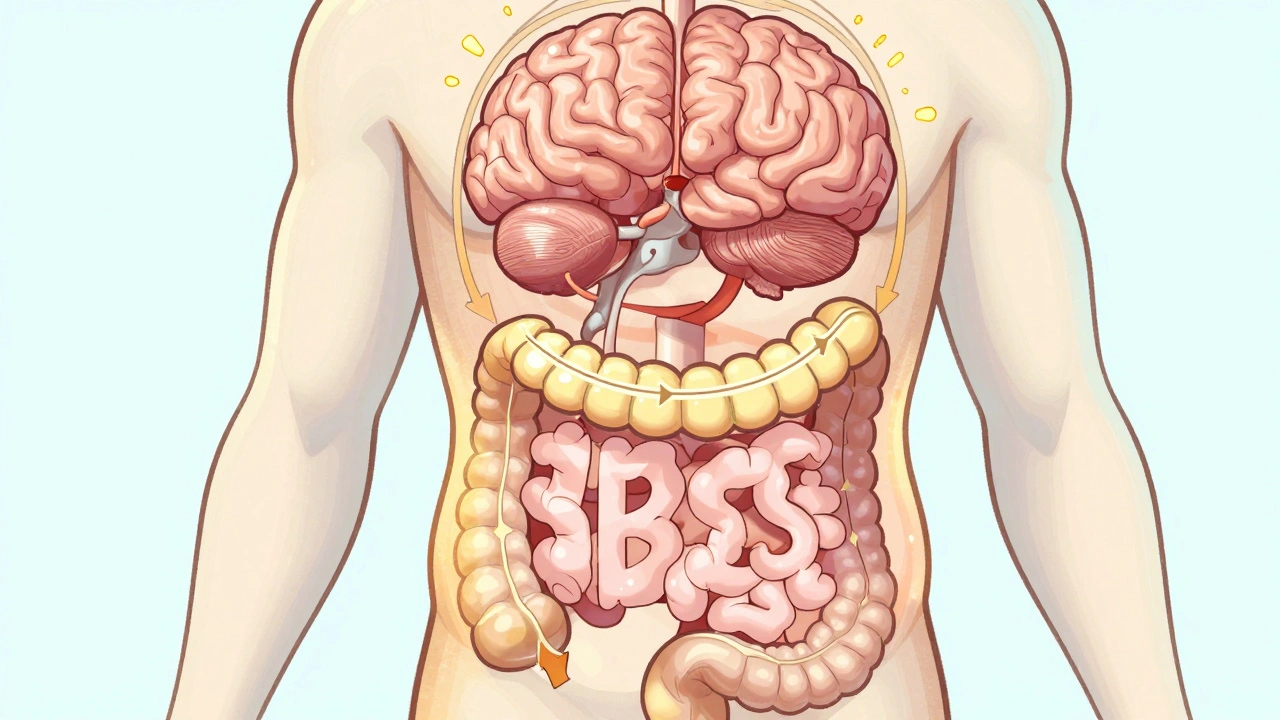
IBS Medication: What Works, What to Avoid, and How to Stay Safe
When you live with irritable bowel syndrome, a chronic digestive disorder causing cramping, bloating, and altered bowel habits. Also known as spastic colon, it doesn’t show up on scans or blood tests—but the pain is very real. Many people turn to IBS medication, prescription or over-the-counter drugs aimed at reducing bowel spasms, diarrhea, or constipation because lifestyle changes alone aren’t enough. But not all meds work the same for everyone, and some can make things worse if used without knowing the triggers.
There’s no one-size-fits-all fix. For diarrhea-predominant IBS, a subtype where loose stools and urgency are the main issues, drugs like loperamide or bile acid binders help slow things down. If constipation, the opposite problem where stools are hard and infrequent is your main issue, laxatives or newer agents like linaclotide might be needed. Then there are drugs like rifaximin, which target gut bacteria without being absorbed into the bloodstream, or antidepressants—yes, even low-dose ones—that calm nerve signals in the gut. These aren’t just mood pills; they directly affect how your intestines react.
What most people don’t realize is that IBS medication can interact with other drugs you’re taking. For example, some antibiotics can trigger flare-ups, and even common supplements like magnesium or fiber powders can clash with prescription meds. You also need to watch out for long-term use—some meds lose effectiveness over time, or cause dependency. That’s why tracking your symptoms alongside your meds matters more than just taking pills on schedule.
What you’ll find below are real-world guides on how different IBS medications work, what the side effects actually look like, which ones are overhyped, and how to avoid dangerous mix-ups. These aren’t generic lists—you’ll see what worked for people with similar symptoms, what didn’t, and why some doctors skip certain drugs entirely. No fluff. Just what you need to talk to your provider with confidence.