IBS Triggers: What Causes Flare-Ups and How to Avoid Them
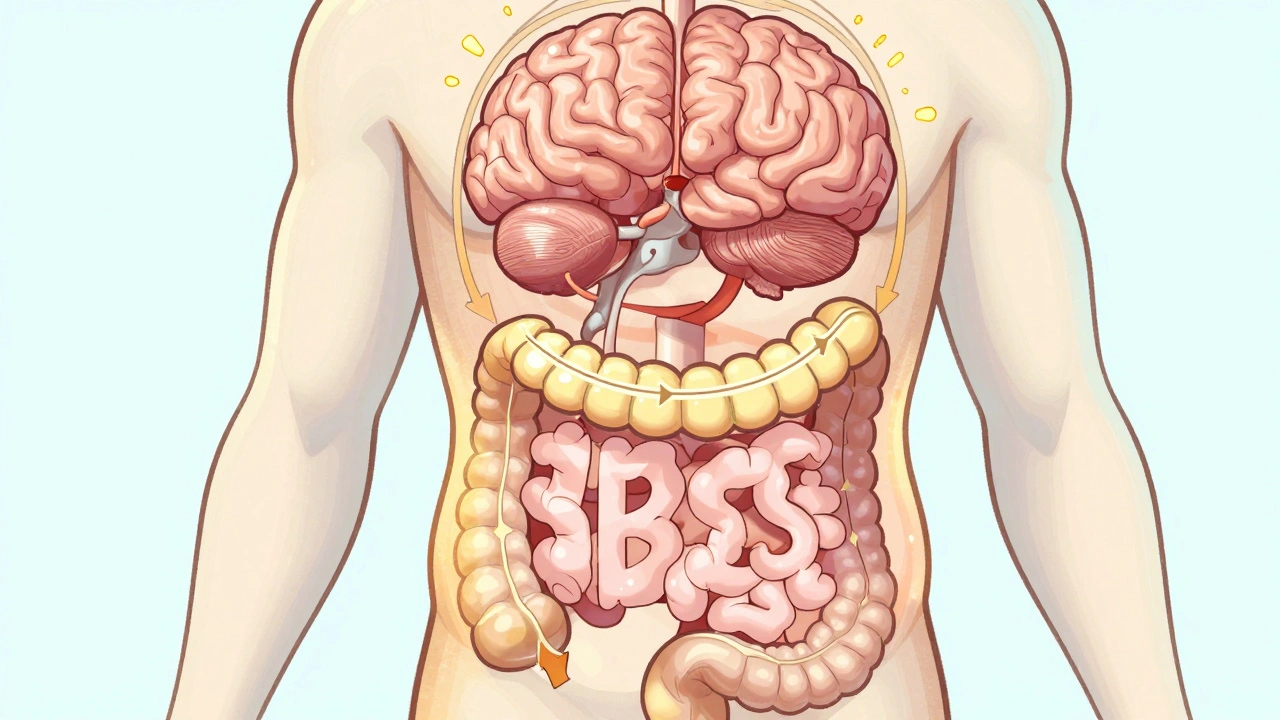
When you have irritable bowel syndrome, a chronic condition affecting the large intestine that causes cramping, bloating, and changes in bowel habits. Also known as spastic colon, it doesn’t damage your gut but makes daily life unpredictable. The real problem isn’t the syndrome itself—it’s the triggers that turn mild discomfort into a full-blown flare-up. And no two people react the same way. For some, it’s dairy. For others, it’s stress, coffee, or even a big meal. Figuring out your triggers isn’t guesswork—it’s detective work.
Food is the most common culprit. FODMAPs, a group of short-chain carbohydrates that ferment in the gut and draw water into the intestines are behind most IBS flare-ups. That means onions, garlic, beans, apples, and even honey can set things off. But it’s not just what you eat—stress, the body’s natural response to pressure that can slow or speed up digestion—plays a huge role. Studies show people with IBS have a more sensitive gut-brain connection. When you’re anxious, your intestines react. That’s why some people get symptoms before a presentation or during a divorce, even if they ate the same food every day.
Other triggers are sneaky. Artificial sweeteners like sorbitol and mannitol—found in sugar-free gum and diet sodas—can cause gas and diarrhea. Caffeine speeds things up, alcohol irritates the lining, and fatty meals delay digestion, leading to bloating. Even changes in routine—like traveling, sleeping late, or skipping meals—can throw your gut off balance. The key isn’t to eliminate everything. It’s to track what happens after you eat, drink, or feel stressed. Keep a simple log: what you had, how you felt, and when symptoms hit. After a few weeks, patterns show up.
What you’ll find in the posts below isn’t theory. It’s real, practical info from people who’ve been there. You’ll see how others identified their triggers using simple tools, what worked (and what didn’t), and how small changes made a big difference. No magic pills. No extreme diets. Just clear, step-by-step ways to take back control of your gut health—without living in fear of your next meal.