Irritable Bowel Syndrome: Causes, Triggers, and Managing Symptoms Naturally
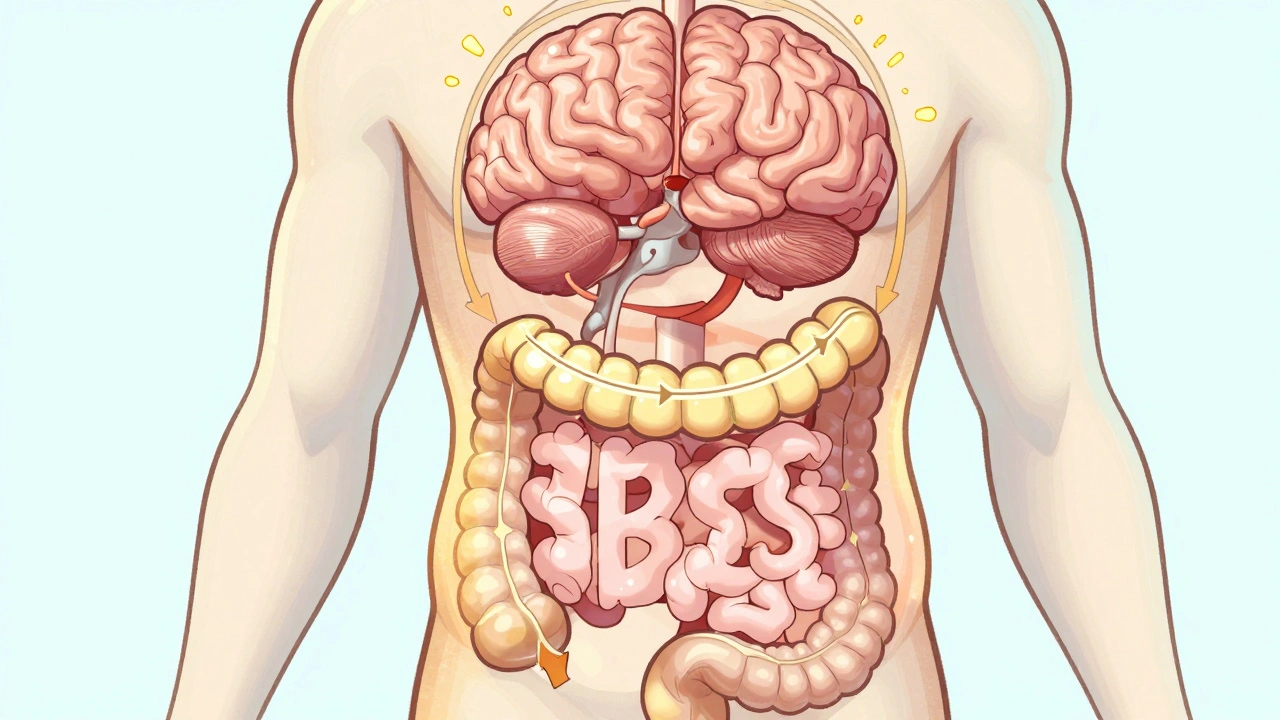
When your stomach cramps, bloats, or acts up without a clear reason, you might be dealing with irritable bowel syndrome, a common functional gastrointestinal disorder characterized by chronic abdominal pain and altered bowel habits without visible damage to the digestive tract. Also known as IBS, it’s not an infection, not cancer, and not caused by food poisoning—but it can feel just as disruptive. Millions live with it, yet many are told it’s "just stress" or "all in your head." That’s not true. IBS is real, measurable, and tied to how your gut and brain talk to each other.
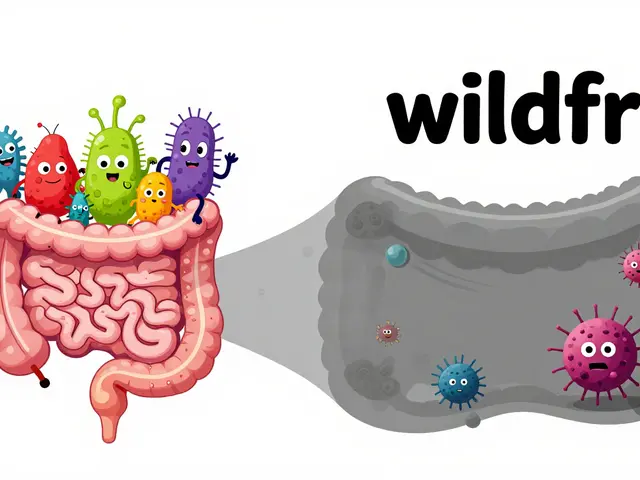
What makes IBS tricky is that it doesn’t show up on scans or blood tests. Instead, it shows up as bloating after eating beans, diarrhea after coffee, or constipation that won’t quit. The triggers? They’re personal. For some, it’s dairy. For others, it’s onions, artificial sweeteners, or even a stressful work meeting. Your gut has its own nervous system—called the enteric nervous system—and when it’s oversensitive, even normal digestion feels like a crisis. That’s why gut health, the balance of bacteria, inflammation levels, and nerve sensitivity in the digestive tract matters more than most doctors admit. And food sensitivities, reactions to certain foods that don’t involve the immune system like allergies do, but still cause digestive distress are often the missing link in treatment plans.
There’s no cure, but there are proven ways to take back control. Low-FODMAP diets have helped over 70% of people in clinical studies reduce symptoms. Stress isn’t the cause, but it’s the fuel—so breathing exercises, sleep, and even walking after meals can calm your gut. Probiotics? Not all of them work, but specific strains like Bifidobacterium infantis have shown real results. And while meds like antispasmodics or laxatives help some, they don’t fix the root. The real power lies in understanding your body’s signals, tracking what sets off your flare-ups, and making small, smart changes that add up.
Below, you’ll find real, no-fluff guides on what actually helps—whether it’s cutting out the right foods, managing stress without meditation apps, or knowing when your symptoms need a doctor’s look instead of a diet tweak. No hype. No supplements sold. Just what works.