Liver Complications: Causes, Risks, and How to Protect Your Liver
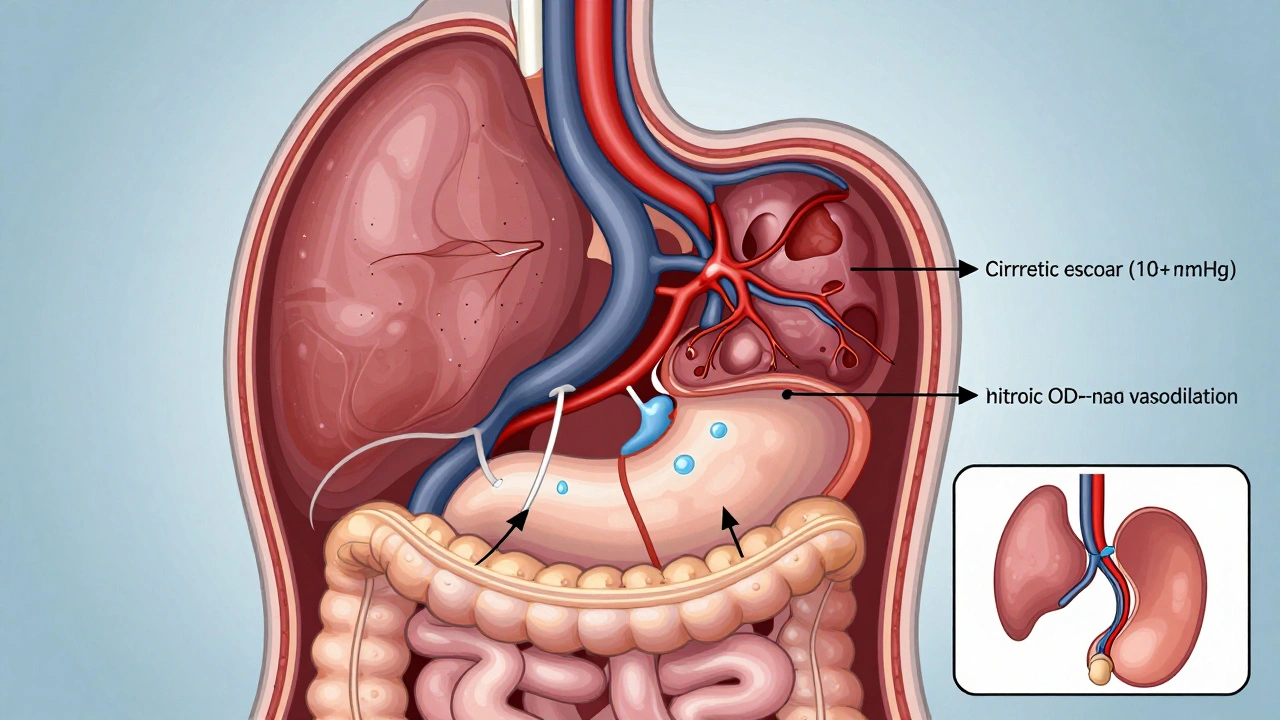
When your liver, a vital organ that filters toxins, produces bile, and manages metabolism. Also known as the body’s chemical factory, it doesn’t scream when it’s in trouble. Liver complications often build silently—fat builds up, enzymes rise, and damage creeps in until you feel exhausted, jaundiced, or worse. Unlike a heart attack, there’s rarely a warning siren. The truth? Many liver problems start from things you do every day: drinking too much, taking certain meds long-term, or eating processed foods that overload your system.
One of the most common liver complications is fatty liver disease, a condition where excess fat accumulates in liver cells, often linked to obesity and poor diet. It’s not just for heavy drinkers anymore. Non-alcoholic fatty liver disease (NAFLD) affects nearly 1 in 3 adults in the U.S., and it can progress to inflammation, scarring, and even cirrhosis if ignored. Then there’s drug-induced liver injury, liver damage caused by prescription meds, over-the-counter painkillers, or even herbal supplements. Studies show acetaminophen, statins, and certain antibiotics are frequent culprits. Even generics can trigger this if your body metabolizes them differently—something pharmacogenetic testing can help uncover.
Your liver doesn’t just react to what you take—it responds to what you eat. A liver-healthy diet, a pattern focused on whole foods, healthy fats, and low sugar that supports liver function and reduces inflammation. isn’t a fad. It’s backed by real data: people who follow a Mediterranean-style eating plan—full of olive oil, veggies, nuts, and fish—have seen liver fat drop by 30% in just six months. Avoiding high-fructose corn syrup, fried foods, and alcohol isn’t just advice—it’s prevention. And while supplements like milk thistle get hype, the real power lies in consistent, simple choices: swap soda for water, skip late-night snacks, and move your body daily.
What you’ll find in these posts isn’t just theory. You’ll see how medications like prednisone or chemotherapy drugs can stress your liver, how bioequivalence rules help keep generics safe, and how pharmacists spot early signs of trouble through adverse event reporting. There’s no magic pill for liver health—but there are proven steps. And they start with understanding what’s really going on inside your body before it’s too late.