Pharmacy Safety: Protect Yourself from Medication Risks
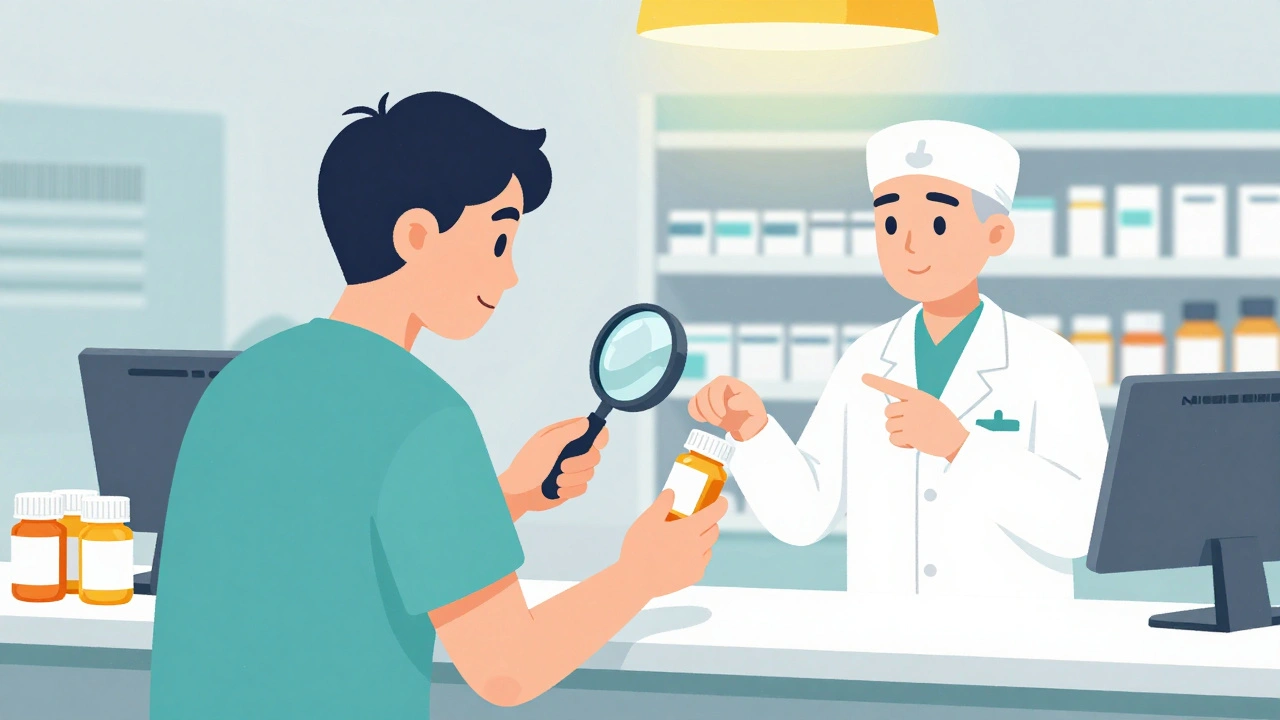
When you pick up a prescription, pharmacy safety, the system of practices and protections designed to prevent harm from medications. Also known as medication safety, it’s not just about the pharmacist double-checking your name—it’s about whether the drug you’re taking is right for your body, your other meds, and your genetics. Too many people assume that if a drug is FDA-approved or sold at a discount, it’s automatically safe. That’s not true. generic drugs, lower-cost copies of brand-name medications that must meet strict bioequivalence standards work for most people, but they’re not identical. Differences in fillers, manufacturing, and how your body absorbs them can trigger side effects—even when the active ingredient is the same.
That’s where adverse drug reactions, harmful, unintended responses to medication that aren’t caused by overdose come in. These aren’t rare. One in five hospital admissions in the U.S. is linked to them. And they’re not always obvious. A headache from a new painkiller might seem harmless, but if you’re on a blood thinner, it could signal internal bleeding. pharmacogenetic testing, a simple DNA test that shows how your genes affect how you process drugs can catch these risks before you even take your first pill. Studies like PREPARE show it cuts dangerous reactions by nearly 40% in high-risk patients. You don’t need to be sick to benefit. If you’ve ever had a bad reaction to a drug that didn’t happen to anyone else, or if you’re on multiple meds, this test is worth asking for.
And it’s not just about what’s in the pill. medication errors, mistakes in prescribing, dispensing, or taking drugs that can lead to harm happen every day—in clinics, at home, even in automated dispensing cabinets. A misread label, a wrong dose, or a supplement that clashes with your blood pressure med can turn a routine treatment into an emergency. That’s why pharmacists are trained to spot red flags. It’s also why you should always ask: "Is this safe with what else I’m taking?" and "What happens if I miss a dose?" The system isn’t perfect. But you’re not powerless.
Below, you’ll find real, practical guides on how to avoid the most common dangers: why some generics cause unexpected side effects, how to recognize when a drug interaction is life-threatening, what to do if you’re on a narrow therapeutic index drug, and how to report problems so others stay safe. These aren’t theory pieces. They’re based on data, real patient cases, and the rules pharmacies actually follow. You don’t need a medical degree to use them. You just need to care enough to ask the right questions.