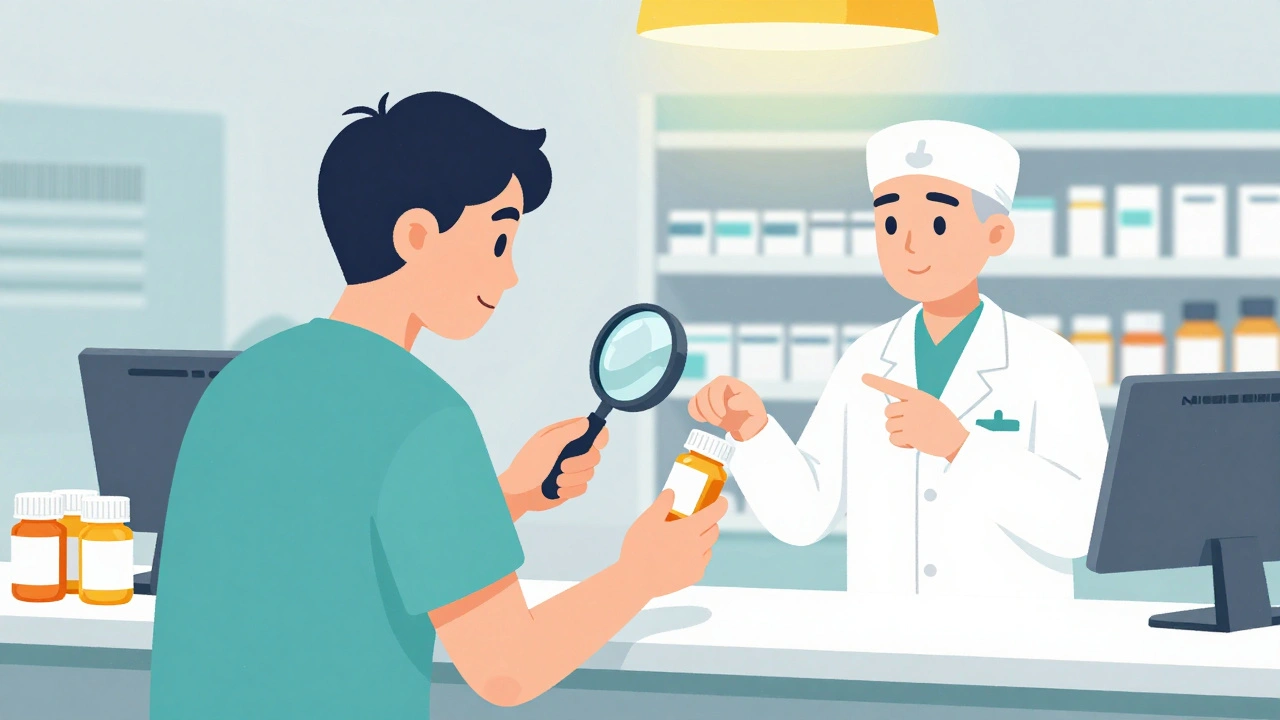
Prescription Verification: What It Is and Why It Keeps You Safe
When you get a prescription filled, prescription verification, the process of checking that a medication order is accurate, legal, and safe before it’s given to a patient. Also known as medication reconciliation, it’s the final safety net between a doctor’s note and your medicine cabinet. This isn’t just paperwork—it’s a chain of checks that stops wrong doses, fake drugs, and deadly mix-ups before they reach you.
Behind every verified prescription are three key players: the pharmacist, a licensed professional trained to spot errors in drug selection, dosage, and interactions, the electronic prescribing system, digital tools that flag potential conflicts like mixing blood thinners with NSAIDs, and the drug manufacturer, the source that must prove generics and biosimilars match the original in absorption and safety. These aren’t just steps—they’re layers of defense. For example, if you’re taking a narrow therapeutic index drug like warfarin, prescription verification doubles down: it checks your genetic profile, your other meds, and even the bioequivalence data of the generic version you’re getting. The FDA and EMA require stricter standards for these drugs because a tiny difference in absorption can mean a stroke or a bleed.
It’s not just about avoiding mistakes—it’s about catching what systems miss. A 2022 study found that over 40% of medication errors in community pharmacies were caught only during manual verification, not by automated alerts. That’s why pharmacists still look at your name, your allergies, your history, and the pill color. And when you buy online? Prescription verification becomes even more critical. Counterfeit drugs don’t come with batch numbers or verified supply chains. That’s why you need to know your pharmacy is licensed, your script was reviewed by a real pharmacist, and the medication matches the approved bioequivalence profile. You’re not just buying a pill—you’re trusting a system that’s designed to keep you alive.
What you’ll find below are real stories and data-driven guides on how this system works—and where it fails. From how pharmacists report adverse events to why generic Lamictal needs stricter checks, these posts show you exactly what to look for, what to question, and how to make sure your next prescription doesn’t just get filled—it gets verified right.