Varices: Causes, Risks, and What You Need to Know About Varicose Veins
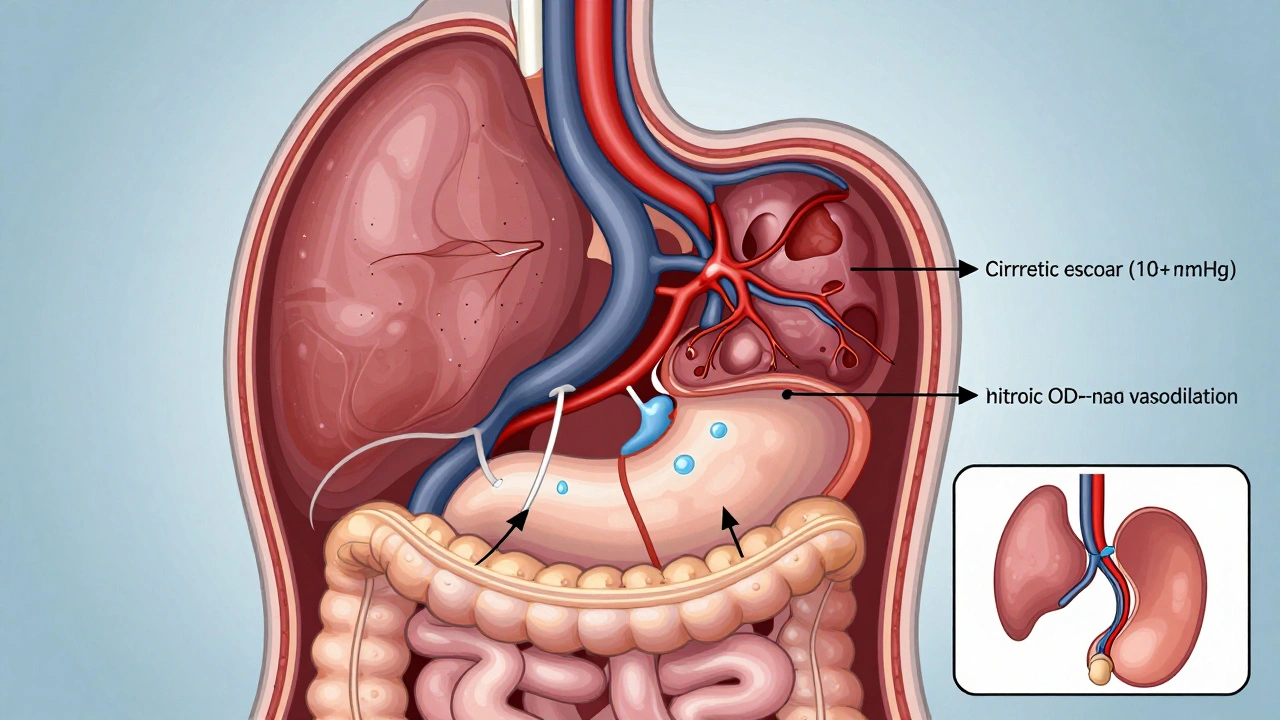
When you see varices, enlarged, twisted veins that usually appear in the legs due to weakened valves and poor blood flow. Also known as varicose veins, they’re not just a cosmetic issue—they’re a sign your veins are struggling to send blood back to your heart. This isn’t rare. About 25% of adults have them, and the numbers go up with age, standing jobs, pregnancy, or a family history.
What causes varices isn’t just sitting too long. It’s your venous insufficiency, a condition where the one-way valves in your veins fail, letting blood pool instead of flowing upward. That pooling stretches the vein walls, makes them bulge, and can lead to aching, heaviness, or cramps—especially after hours on your feet. Left untreated, it can cause skin changes, ulcers, or even blood clots. The risk isn’t just in how you look—it’s in how you feel day to day.
It’s not just older people. Younger folks with sedentary lifestyles, desk jobs, or who stand all day for work are seeing more cases. Pregnancy adds pressure on pelvic veins, which is why many women notice varices during or after childbirth. Obesity, lack of movement, and even tight clothing can make it worse. And while genetics play a role, your daily habits matter more than you think.
There’s a big difference between seeing a few twisted veins and having symptoms that limit your life. Some people have varices with no pain at all. Others can’t walk far without discomfort, or wake up with swollen ankles. That’s when you need to look beyond creams and compression socks. The real solutions involve improving circulation, reducing pressure, and sometimes medical procedures that fix the valve problem—not just hide it.
What you’ll find in the articles below aren’t generic tips. They’re real, evidence-based insights from people who’ve dealt with this—how certain medications affect blood flow, what lifestyle changes actually help, and why some treatments work better than others. You’ll see how leg swelling, a common symptom linked to poor venous return and fluid buildup in the lower limbs connects to heart and kidney health. You’ll learn how simple changes in posture, movement, and even footwear can reduce strain on your veins. And you’ll find out when it’s time to talk to a doctor—not just pop a pill or buy a pair of compression stockings.
This isn’t about vanity. It’s about keeping your body moving without pain, avoiding complications, and understanding what’s really going on under your skin. The articles here cut through the noise. No fluff. Just what works, what doesn’t, and why.