Generic Medications: What They Are, How They Work, and What You Need to Know
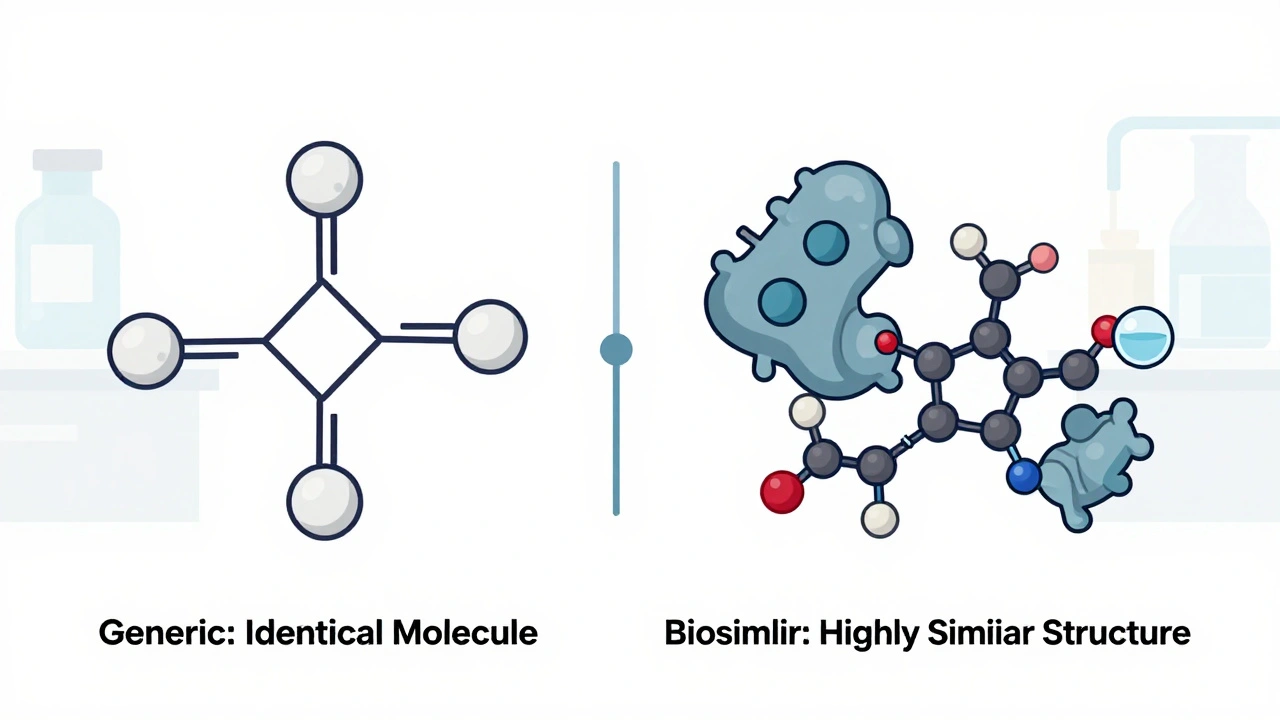
When you hear generic medications, lower-cost versions of brand-name drugs that contain the same active ingredient and work the same way in the body. Also known as generic drugs, they are approved by the FDA and other global health agencies after proving they deliver the same therapeutic effect as the original. Most people assume generics are just cheaper copies—but that’s not the full story. The real question isn’t whether they work, but whether they work the same for you.
The science behind generics centers on bioequivalence, a strict testing process that measures how quickly and completely the body absorbs the drug. Two key numbers—Cmax, the highest concentration of the drug in your blood, and AUC, the total amount of drug your body is exposed to over time—must fall within tight limits compared to the brand-name version. If they don’t, the generic won’t get approved. That’s not guesswork—it’s hard data from clinical studies.
But here’s what most people miss: even when bioequivalence is met, some patients report differences. Why? It’s not the active ingredient. It’s the fillers, dyes, or coatings—ingredients that don’t affect how the drug works, but can change how your body reacts. For most, it’s nothing. But for someone on narrow therapeutic index drugs, medications where a tiny change in dose can cause serious harm, like warfarin or lithium, even small variations matter. That’s why these drugs have stricter rules, and why pharmacists are trained to watch for changes in how you feel after switching.
And then there’s perception. If you’ve been on a brand-name drug for years and your doctor switches you to a generic, your brain might think something’s wrong—even if your blood levels are identical. That’s not just in your head; studies show placebo effects work both ways. But that doesn’t mean the generic is less effective. It means your body needs time to adjust.
Some generics work better for certain people because of their genes. That’s where pharmacogenetic testing, a way to see how your DNA affects how you process medications comes in. It’s not routine yet, but it’s growing fast. If you’ve had bad reactions to meds before, this could explain why—and help avoid future problems.
Not all generics are the same. Some come from factories with better quality control. Some are made by the same company that makes the brand-name version. And some are imported from countries with looser rules. That’s why buying online can be risky—if you don’t know the source, you don’t know what you’re getting.
What you’ll find here isn’t just theory. These articles are based on real patient experiences, clinical studies, and pharmacist insights. You’ll learn when generics are perfectly safe, when to be cautious, how to spot a bad batch, and what questions to ask before you pick up your prescription. No fluff. No marketing. Just what you need to know to make smart choices about your meds.