Bioequivalence: What It Means for Generic Drugs and Your Health
When you pick up a generic pill, you expect it to do the same thing as the brand-name version. That’s where bioequivalence, the scientific proof that two drug formulations deliver the same amount of active ingredient at the same rate in the body. Also known as therapeutic equivalence, it’s the reason your pharmacist can legally swap out expensive brand drugs for cheaper generics without risking your health. Without bioequivalence, you could be taking a pill that’s too weak to work—or too strong and causes side effects.
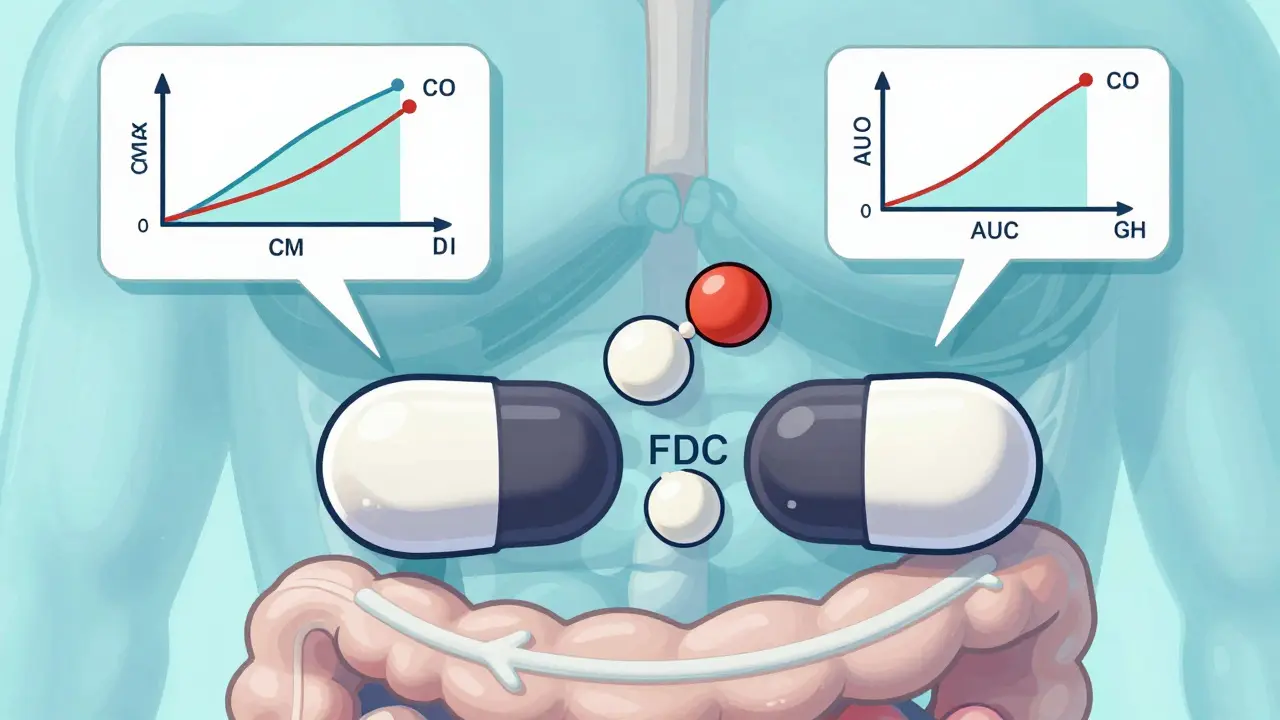
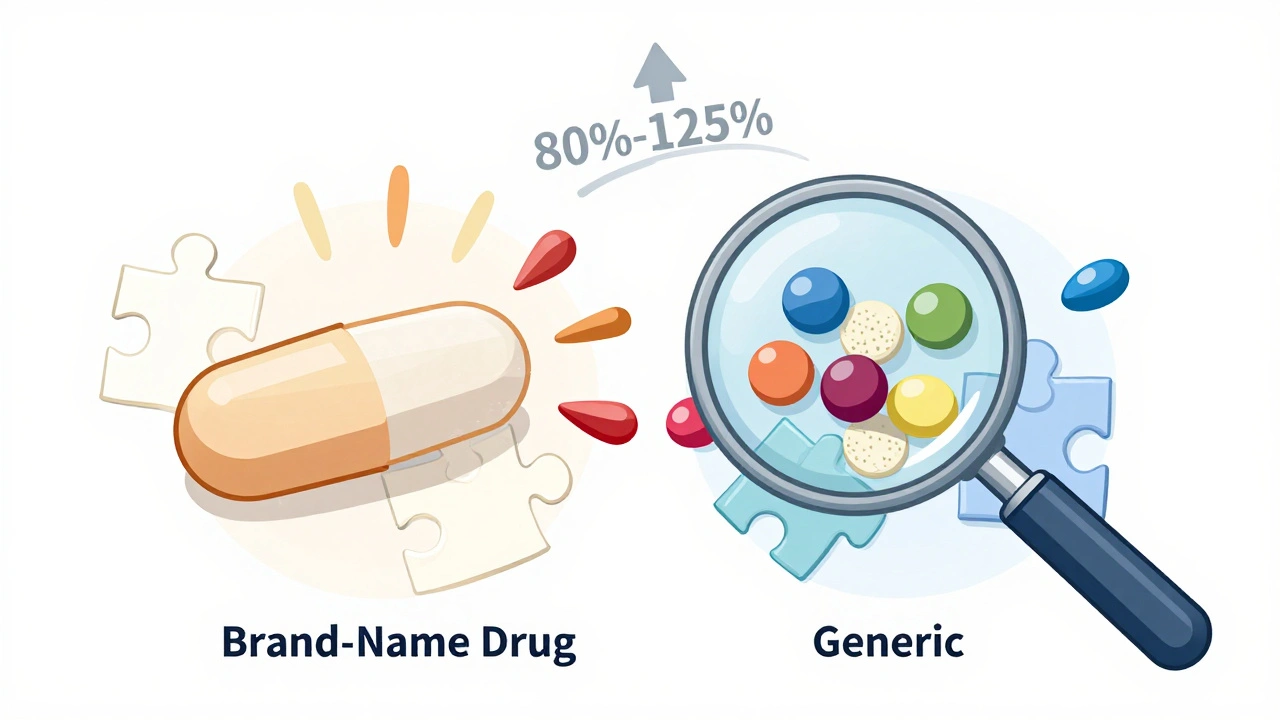
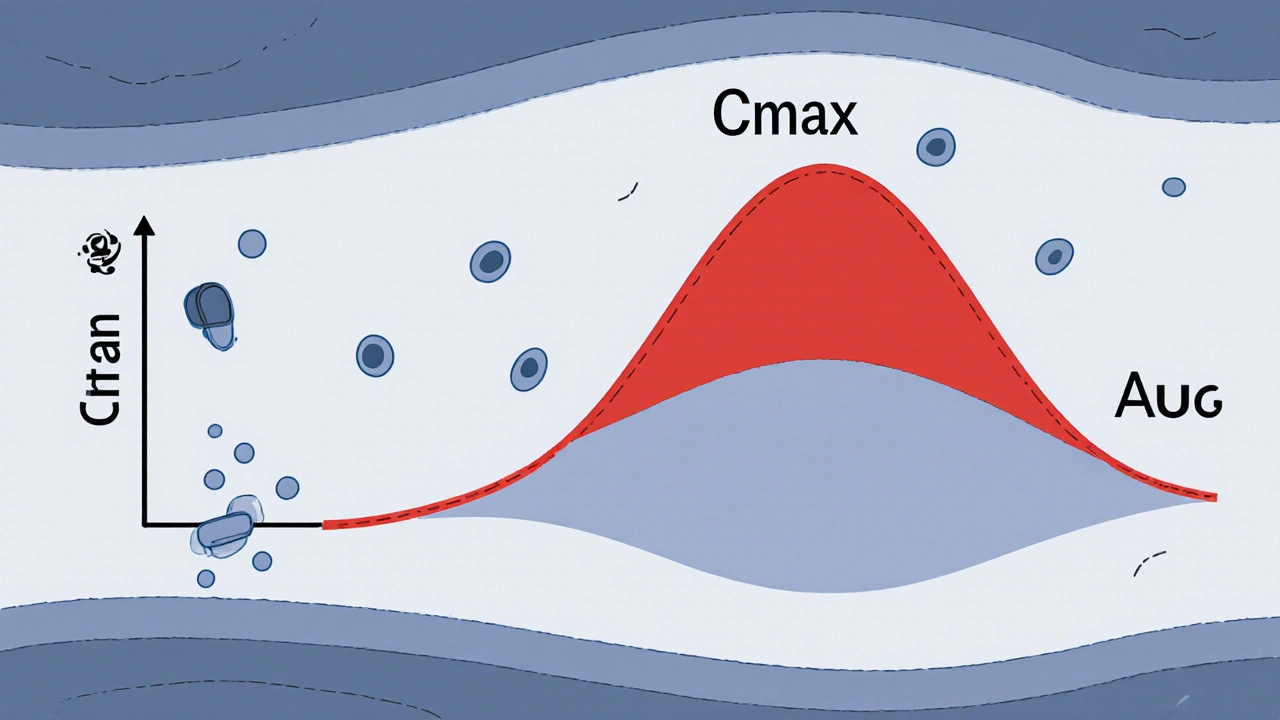
It’s not just about matching doses. Bioequivalence is measured through bioequivalence studies, clinical trials where healthy volunteers take both the brand and generic versions, then their blood is tested over time. The key numbers? Cmax, the highest concentration of drug in the bloodstream, and AUC, the total exposure over time. For a generic to pass, these values must fall within 80% to 125% of the brand drug’s. That’s the strict standard set by the FDA, EMA, and Health Canada. It’s not a guess—it’s hard science. And for drugs with a narrow therapeutic index—like warfarin, lithium, or levothyroxine—those numbers are even tighter because the difference between a safe dose and a dangerous one is razor-thin.
Why does this matter to you? Because bioequivalence isn’t just a regulatory checkbox. It’s your safety net. When a generic fails bioequivalence, it doesn’t just mean it’s less effective—it can cause seizures, organ damage, or even death. That’s why pharmacists and doctors track these studies closely. And when you see a generic labeled as bioequivalent, you’re not getting a cheaper knockoff. You’re getting a drug that’s been proven to behave exactly like the original inside your body.
What you’ll find below are real, practical breakdowns of how bioequivalence works in the real world—from the lab studies that prove it, to the dangerous cases where it was ignored, to how it affects your daily meds. No theory. No fluff. Just what you need to know to understand why your generic pill is safe—or why you should ask questions if it’s not.