November 2025 Archive: Generic Drugs, Safety Alerts, and Treatment Insights
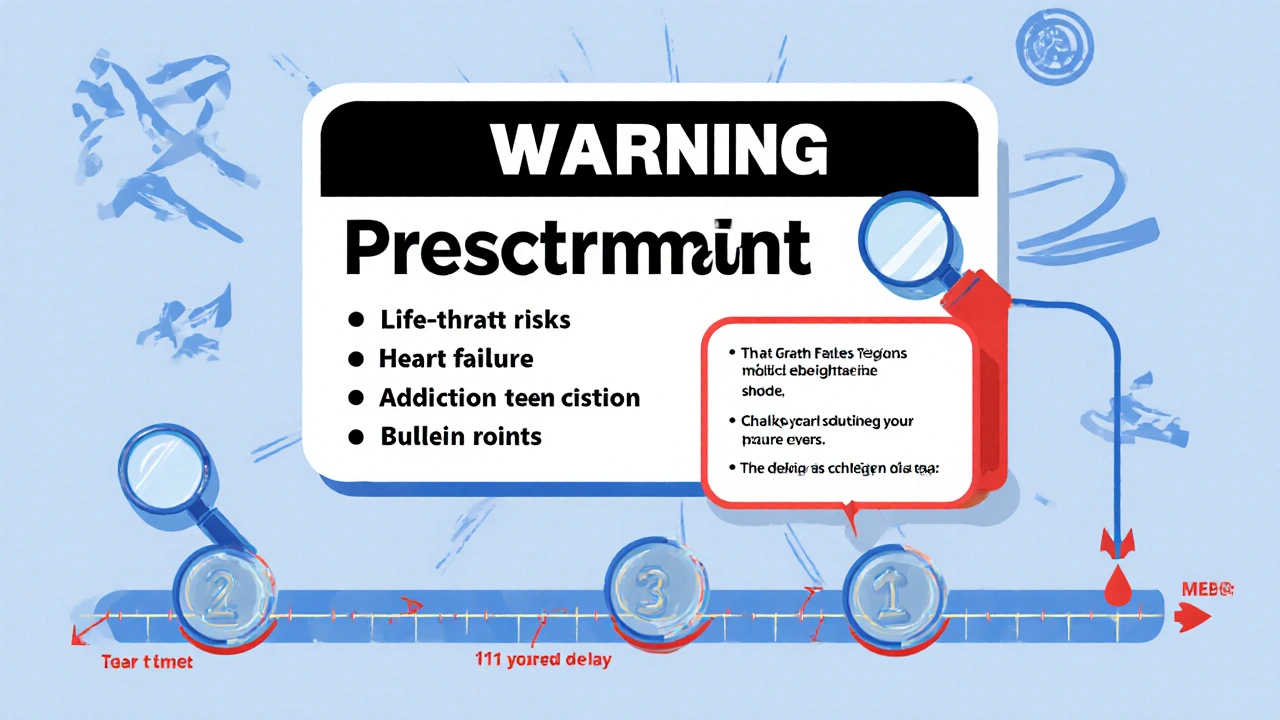
When it comes to generic drugs, affordable versions of brand-name medications that must meet strict FDA and EMA standards to prove they work the same way. Also known as follow-on drugs, they make up over 90% of prescriptions in the U.S. — but their safety depends on how tightly their absorption and performance are measured. That’s where bioequivalence, the scientific process that proves a generic drug releases the same amount of medicine into the body at the same rate as the brand version. It’s not just a formality — it’s the line between a safe treatment and a dangerous one, especially for NTI drugs like warfarin or levothyroxine. Without strict bioequivalence rules, even small differences in how a drug is absorbed can cause seizures, blood clots, or organ damage.
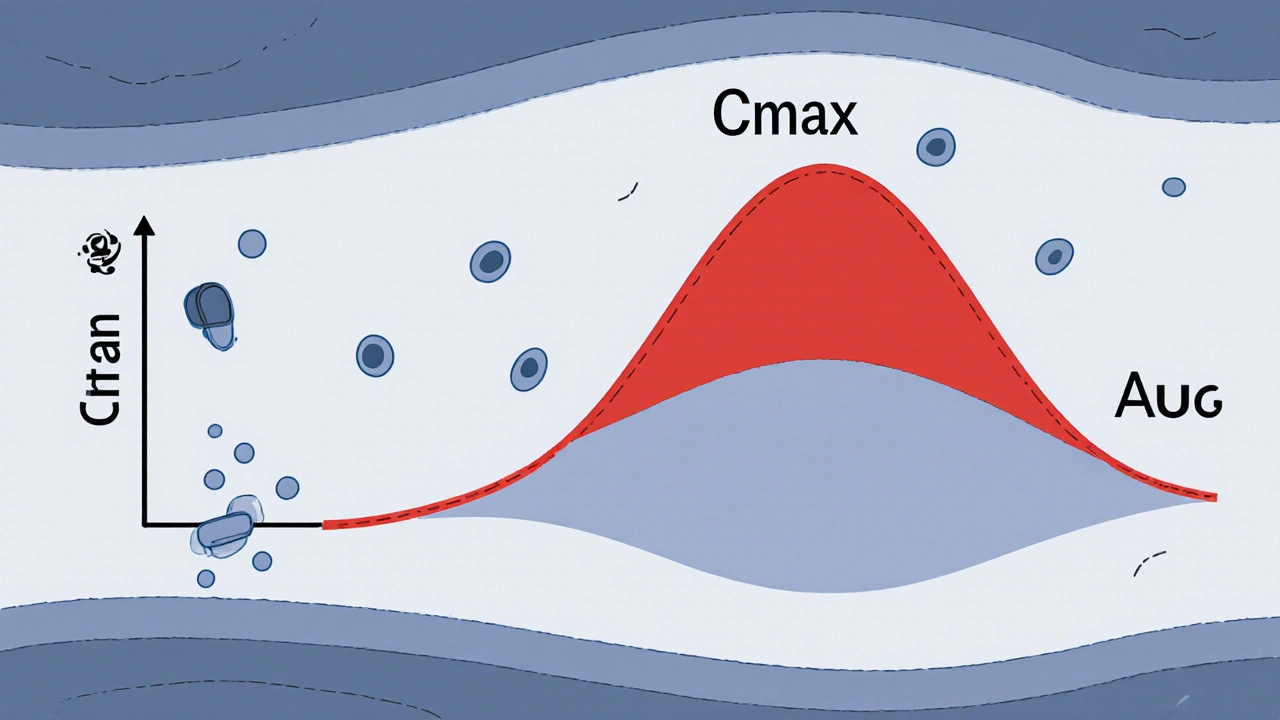
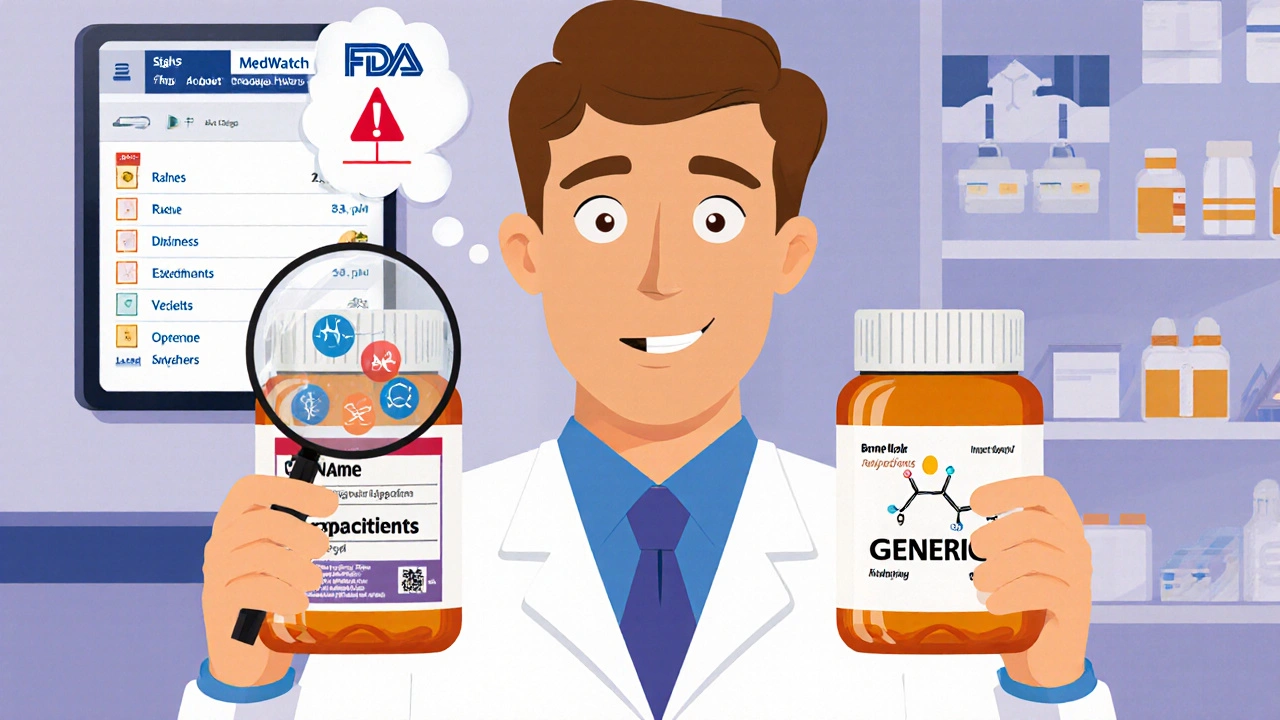
That’s why November 2025’s posts dug deep into how Cmax and AUC, the two key numbers used to measure how fast and how much of a drug enters your bloodstream. These aren’t abstract lab terms — they’re the actual metrics regulators use to decide if a generic pill can be sold to you. We also looked at how adverse event reporting, the system pharmacists and patients use to flag unexpected side effects from generics. Your report could stop a dangerous batch from reaching others — and it’s easier than you think. Meanwhile, liver-healthy diet, a way of eating proven to reduce fat and inflammation in the liver without drugs. People with fatty liver disease aren’t just told to lose weight — they’re shown exactly which foods lower liver enzymes and reverse early damage. And for those on blood thinners, we broke down the real signs of bleeding that mean you need to go to the ER — and why stopping your med is riskier than the bleed itself.
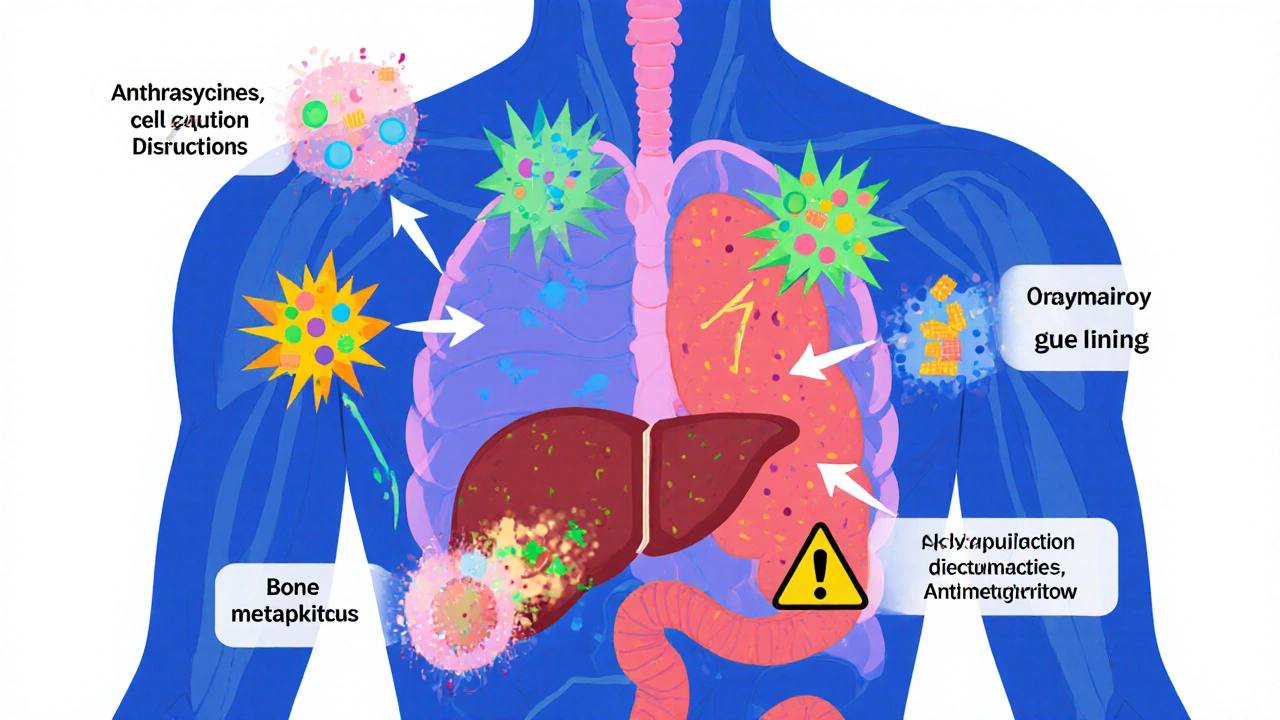
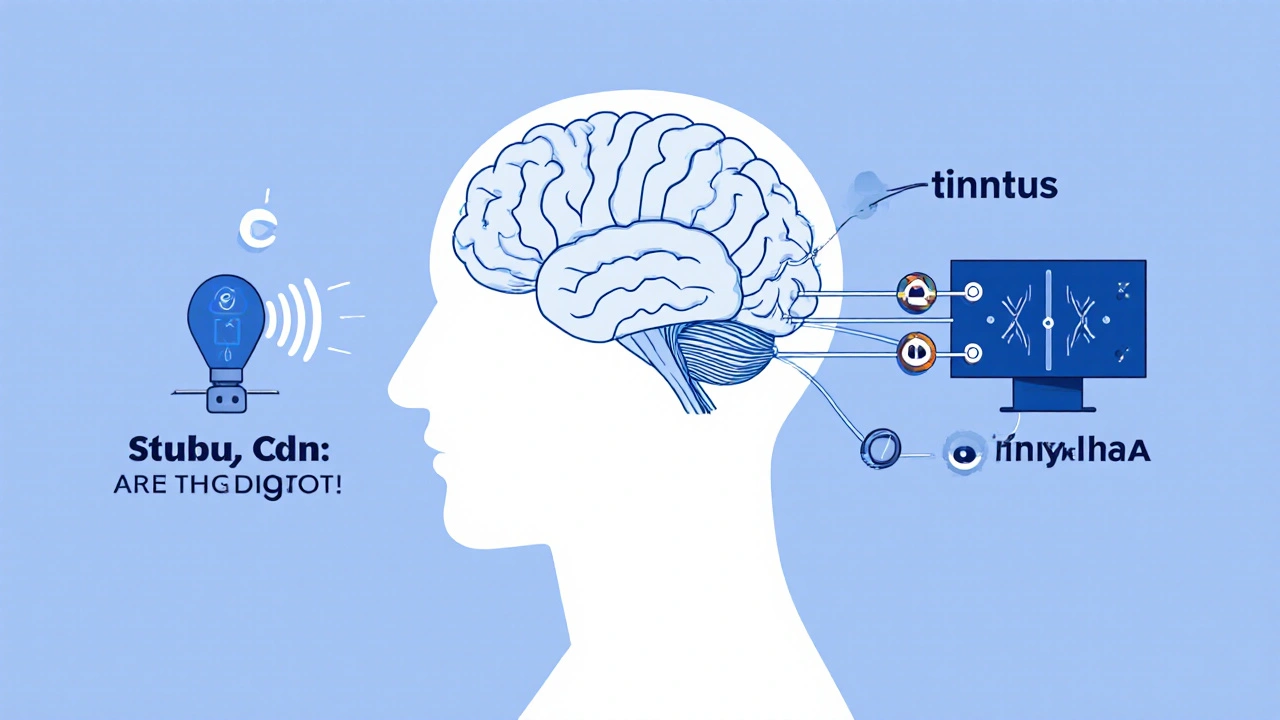
From how chemo interacts with grapefruit juice to why Tinnitus Retraining Therapy works better than silence, this archive covers the messy, real-world stuff that doesn’t make headlines but changes lives. You’ll find practical advice for patients, clear explanations for caregivers, and hard truths for prescribers. No fluff. Just what you need to stay safe, save money, and understand what’s really in your medicine cabinet.